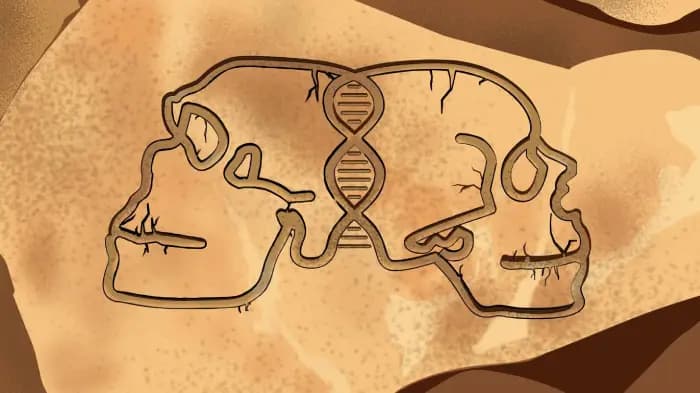
Modern humans and Neanderthals interbred in multiple waves over 200,000 years, exchanging genes and influencing each other's evolution. A new study using AI reveals traces of modern human DNA in Neanderthals and revises their population size to 2,400. The findings suggest Neanderthals weren't wiped out but were gradually absorbed into human populations, reshaping our understanding of shared history.

.jpg&w=3840&q=75)
A four-term Congresswoman, 2020 presidential candidate and NYT bestselling author, Gabbard is a veteran with three deployments to war zones in the Middle East and Africa. She recently moved from being a Democrat to a Republican member.
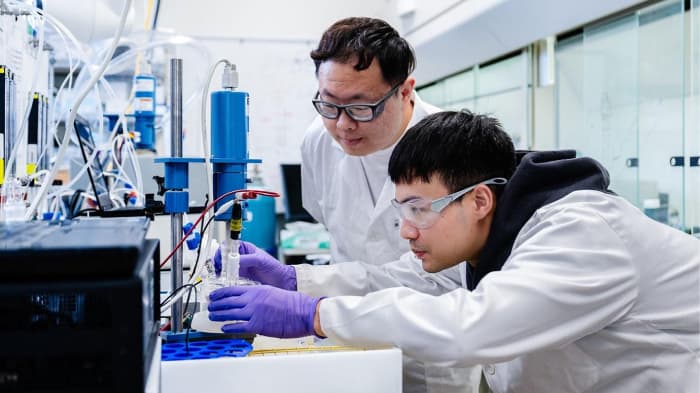
Argonne National Laboratory researchers are pioneering circular economy solutions to repurpose waste into valuable resources. By transforming materials like CO2, plastics, and sludge, they aim to reduce landfill waste and emissions. Argonne scientists are pushing for a regenerative future where waste fuels the creation of new products using innovative catalysts, sustainable water management, and new recycling technologies.
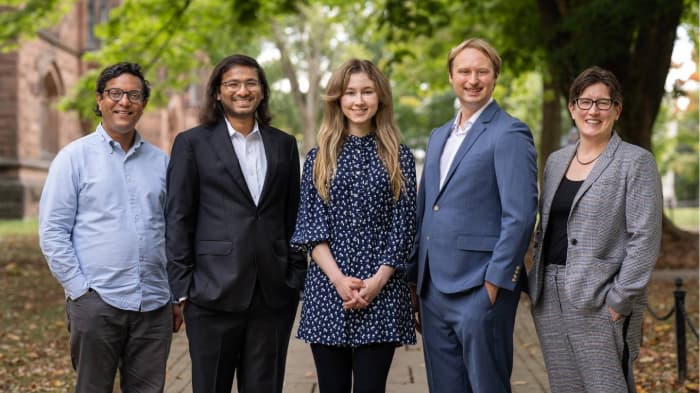
Princeton engineers have closed a critical internet security loophole by introducing a new standard for verifying website identities. This method, adopted globally, requires certification authorities to validate websites from multiple locations, preventing attackers from easily creating fraudulent sites. This breakthrough, developed with industry leaders, strengthens online security for billions of daily internet transactions.

NYU Silver’s Dr. Briana Barocas has received an $8 million grant from the U.S. Department of Justice to evaluate restorative practices addressing domestic and sexual violence. The study will assess victim-centered, trauma-responsive alternatives to punitive justice, aiming to improve healing, accountability, and community safety. Insights will guide practitioners and policymakers on effective methods for supporting survivors and holding offenders accountable.
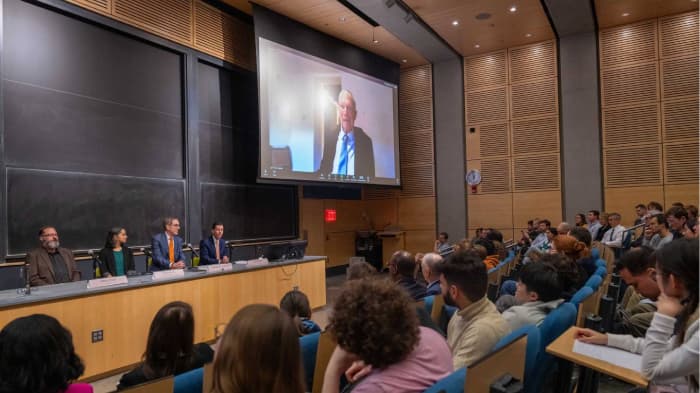
Princeton professor John Hopfield won the 2024 Nobel Prize in Physics, sharing it with Geoffrey Hinton for pioneering work on artificial neural networks. Hopfield's creation of the Hopfield network, inspired by human memory, revolutionized machine learning, enabling machines to recognize patterns and recall information. Their contributions form the foundation of today’s advanced AI technologies.
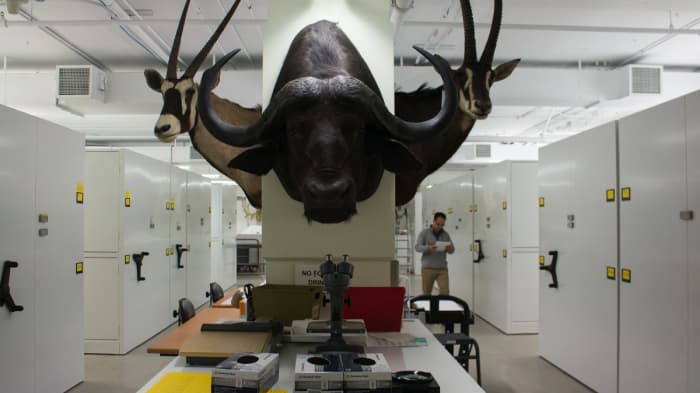
By discovering a new fossil species, Harvard researchers have uncovered new insights into the evolution of tardigrades, Earth’s most resilient micro-animals. Using advanced imaging technology, they re-examined fossils from the Cretaceous period, revealing critical details about tardigrades' survival mechanisms and evolutionary timeline, offering a fresh understanding of these near-indestructible creatures' ancient origins.

Hunter of Underwater Threats: Why INS Mangrol Is Important for the Indian Navy

Delhi Protests Renew Debate Over Constitutional Right to Peaceful Assembly

Household Inflation Rises to 5.54% in September as Price Pressures Spread

Delhi High Court Allows Urgent Hearing on Protest Site Guidelines

India Rejects China’s Objection to Standardised Names of Places in Ladakh
Karnataka student elections return after 37 years: Why political restrictions and university polls remain contentious

Global education is shifting from simply going abroad to creating more flexible routes to opportunity

Delhi Police files FIR against Congress MP Bimol Akoijam over JNU sexual harassment allegations

Utkal University tightens security after late-night explosions ahead of student polls

IET India Scholarship Award 2026: DTU’s Kush Garg wins top honor for AI device for neurodivergent children

Copyright© educationpost.in 2026 All Rights Reserved.