


MEA reiterates that Ladakh is an integral part of India after Beijing opposes the naming of 28 strategic locations and geographical features in the region
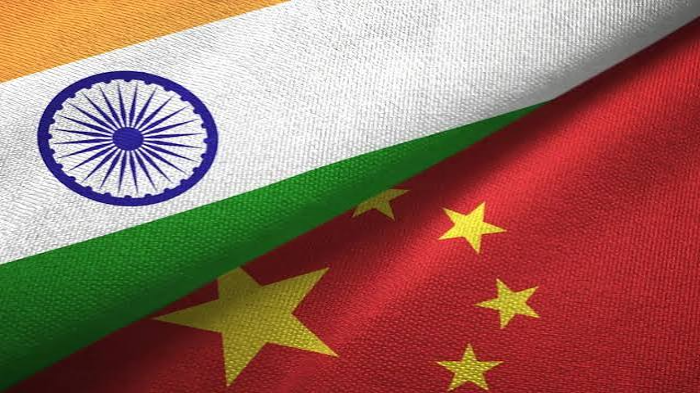
The Ministry of External Affairs (MEA) on Tuesday rejected China’s objection to India’s decision to assign standardised names to places in Ladakh, asserting that the Union Territory is an integral part of India. The response came after Beijing opposed the move, claiming that the areas concerned belonged to China.
MEA spokesperson Randhir Jaiswal said that China’s denial could not change the established fact of Ladakh being part of India. He also clarified that the standardisation of geographical names was intended to ensure accurate identification and improve public awareness of the region.

Earlier, Chinese Foreign Ministry spokesperson Mao Ning criticised India’s decision, stating that China did not recognise the Union Territory of Ladakh, which it described as having been established unilaterally and illegally by India. Beijing further claimed that the relevant areas along the western sector of the China-India boundary had always belonged to China.
The latest disagreement follows India’s announcement on October 2, when it officially standardised the names of 28 strategic locations and geographical features in Ladakh. These included important border friction points along the Line of Actual Control (LAC), such as Gogra and Hot Spring.
The initiative was undertaken in consultation with the Ladakh administration. According to the Indian government, the exercise aims to streamline official mapmaking, ensure the precise identification of geographical locations and increase public awareness about the sensitive border region.
The exchange of statements highlights the continuing differences between India and China over territorial claims along their disputed boundary. Both countries have experienced tensions along the LAC, making developments concerning border areas particularly sensitive.
India’s latest response reinforces its position on Ladakh’s territorial status, while China’s objection reflects its continued disagreement with New Delhi’s administrative and geographical decisions in the region.

Hunter of Underwater Threats: Why INS Mangrol Is Important for the Indian Navy
Delhi Protests Renew Debate Over Constitutional Right to Peaceful Assembly

Household Inflation Rises to 5.54% in September as Price Pressures Spread
Delhi High Court Allows Urgent Hearing on Protest Site Guidelines
India Rejects China’s Objection to Standardised Names of Places in Ladakh

Karnataka student elections return after 37 years: Why political restrictions and university polls remain contentious

Global education is shifting from simply going abroad to creating more flexible routes to opportunity
Delhi Police files FIR against Congress MP Bimol Akoijam over JNU sexual harassment allegations

Utkal University tightens security after late-night explosions ahead of student polls

IET India Scholarship Award 2026: DTU’s Kush Garg wins top honor for AI device for neurodivergent children

Hunter of Underwater Threats: Why INS Mangrol Is Important for the Indian Navy
Delhi Protests Renew Debate Over Constitutional Right to Peaceful Assembly
Household Inflation Rises to 5.54% in September as Price Pressures Spread
Delhi High Court Allows Urgent Hearing on Protest Site Guidelines
India Rejects China’s Objection to Standardised Names of Places in Ladakh
Karnataka student elections return after 37 years: Why political restrictions and university polls remain contentious
Global education is shifting from simply going abroad to creating more flexible routes to opportunity
Delhi Police files FIR against Congress MP Bimol Akoijam over JNU sexual harassment allegations
Utkal University tightens security after late-night explosions ahead of student polls
IET India Scholarship Award 2026: DTU’s Kush Garg wins top honor for AI device for neurodivergent children
Copyright© educationpost.in 2026 All Rights Reserved.