


Rising prices across food, fuel, consumer goods and services raise concerns for the RBI, with economists anticipating possible interest rate hikes in the coming months
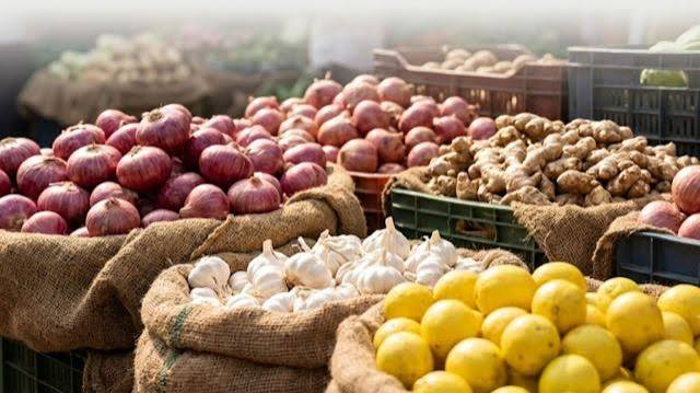
India’s household inflation increased to 5.54% in September from 4.83% in August, according to data released on October 12. The rise has renewed concerns about the generalisation of inflation, a situation in which price increases spread across different categories of goods and services rather than remaining limited to food and fuel.
The Reserve Bank of India (RBI) recently acknowledged evidence of elevated inflation expectations and a broader spread of price pressures. This marked a shift from its earlier assessment in August, when it had reported limited signs of inflation spreading across the economy.

One way to identify this trend is to examine how many items in the Consumer Price Index (CPI) basket record inflation above 4%, which is the RBI’s medium-term target within a tolerance band of 2% to 6%. The number of items registering inflation of 4% or more increased from 65 in January to 129 in September, indicating a broader rise in prices.
Another measure is month-on-month price momentum, which tracks changes in prices compared with the previous month. In February, 236 of the 358 items in the CPI basket recorded price increases. By September, the number had risen to 319.
Economists also use diffusion indices to measure the spread of inflation. These indices account for the relative importance of different goods and services in household expenditure. According to the RBI’s diffusion index, nearly 46% of the CPI basket recorded inflation above 4% in September, compared with 37% in August and 16% in January.
However, some economists, including those at Nomura, argue that the extent of inflation generalisation remains below historical averages. Their assessment also considers factors such as inflation expectations and wage growth.
The extent to which inflation spreads will influence the RBI’s monetary policy decisions. Wider and persistent price pressures could prompt the central bank to raise the repo rate, increasing borrowing costs for households and businesses. Following the latest data, market expectations have shifted towards possible interest rate hikes of 50–75 basis points over the next four to six months.

Hunter of Underwater Threats: Why INS Mangrol Is Important for the Indian Navy

Delhi Protests Renew Debate Over Constitutional Right to Peaceful Assembly
Household Inflation Rises to 5.54% in September as Price Pressures Spread

Delhi High Court Allows Urgent Hearing on Protest Site Guidelines

India Rejects China’s Objection to Standardised Names of Places in Ladakh
Karnataka student elections return after 37 years: Why political restrictions and university polls remain contentious

Global education is shifting from simply going abroad to creating more flexible routes to opportunity

Delhi Police files FIR against Congress MP Bimol Akoijam over JNU sexual harassment allegations

Utkal University tightens security after late-night explosions ahead of student polls

IET India Scholarship Award 2026: DTU’s Kush Garg wins top honor for AI device for neurodivergent children

Hunter of Underwater Threats: Why INS Mangrol Is Important for the Indian Navy
Delhi Protests Renew Debate Over Constitutional Right to Peaceful Assembly
Household Inflation Rises to 5.54% in September as Price Pressures Spread
Delhi High Court Allows Urgent Hearing on Protest Site Guidelines
India Rejects China’s Objection to Standardised Names of Places in Ladakh
Karnataka student elections return after 37 years: Why political restrictions and university polls remain contentious
Global education is shifting from simply going abroad to creating more flexible routes to opportunity
Delhi Police files FIR against Congress MP Bimol Akoijam over JNU sexual harassment allegations
Utkal University tightens security after late-night explosions ahead of student polls
IET India Scholarship Award 2026: DTU’s Kush Garg wins top honor for AI device for neurodivergent children
Copyright© educationpost.in 2026 All Rights Reserved.