


India records a Global Hunger Index score of 24.1 among 122 countries, with child wasting at 19%, despite improvements in undernourishment and child stunting.
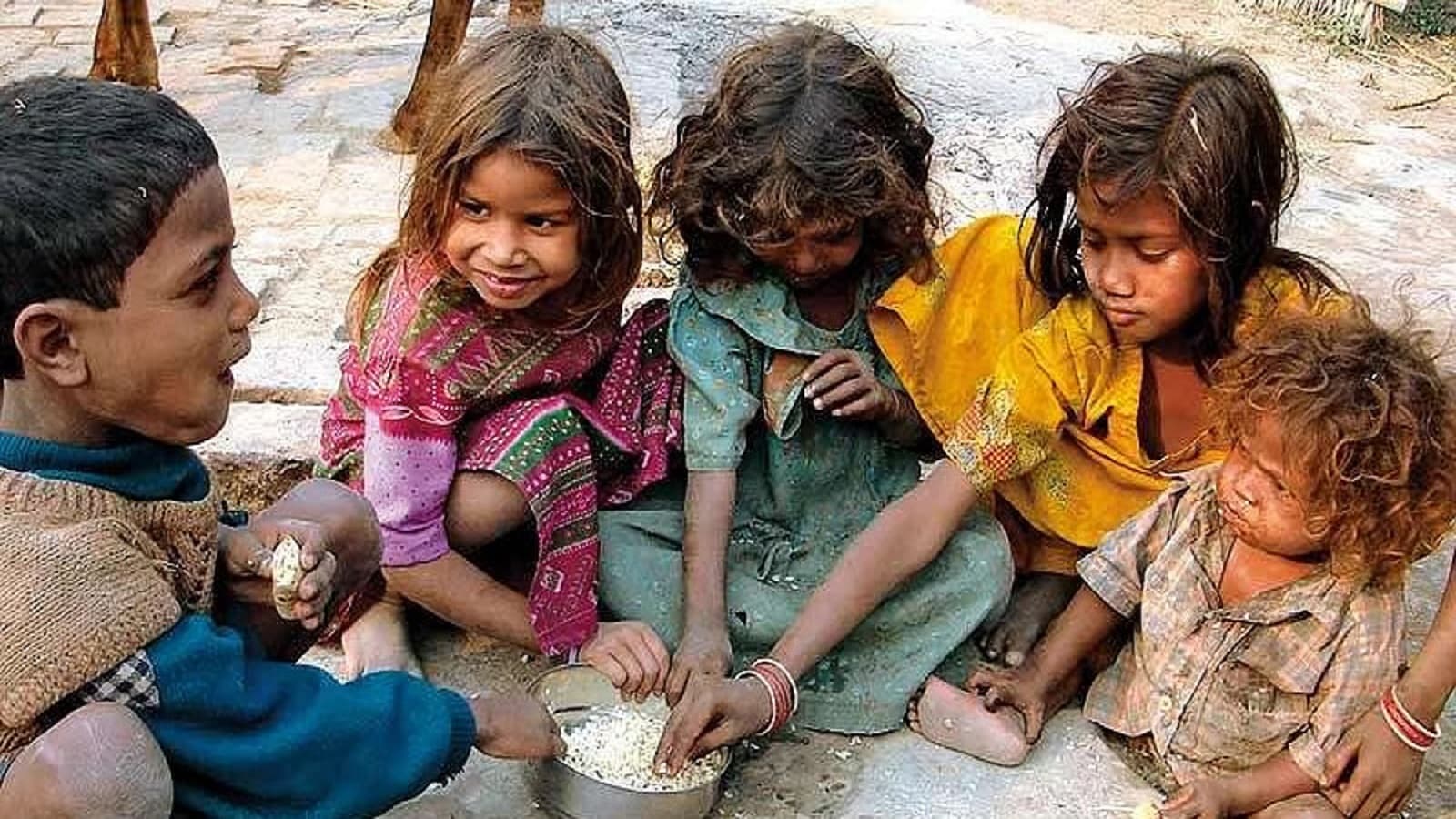
India has been ranked 100th among 122 countries in the Global Hunger Index (GHI) 2026, with a score of 24.1, placing it in the ‘serious’ hunger category. The latest assessment highlights continuing nutritional challenges, particularly among children under five, even as some indicators show improvement.
The report, titled No Security Without Food Security, examines hunger through four key indicators: undernourishment, child wasting, child stunting and under-five mortality. It is published jointly by Concern Worldwide, Welthungerhilfe and the Institute for International Law of Peace and Armed Conflict (IFHV).

According to the official GHI 2026 country profile, India’s score remains in the serious range, indicating that hunger and malnutrition continue to require sustained attention.
The report presents a mixed picture of India’s nutritional progress. While undernourishment and child stunting have declined, child wasting remains a major concern.
The official country profile lists the following figures for India:
Global Hunger Index score: 24.1
Global ranking: 100th among 122 countries
Undernourishment: 9.8% of the population
Child wasting: 19% of children under five
Child stunting: 29.3% of children under five
Under-five mortality: 2.7%
Child wasting refers to low weight relative to height and is associated with acute undernutrition. Child stunting, by contrast, reflects low height for age and is commonly linked to prolonged nutritional deprivation and other adverse conditions.
The high child-wasting figure underlines the importance of improving access to adequate food, healthcare, maternal nutrition and effective early-childhood interventions.
India has made progress on some measures of hunger over the longer term, but the pace of improvement has weakened.
The official GHI data show that India’s score declined from 38.1 in 2000 to 24.1 in 2026. However, the country remains in the serious category, demonstrating that improvements in overall indicators have not eliminated persistent nutritional challenges.
Child stunting has also declined substantially, falling from 50% in 2000 to 29.3% in 2026. This represents an improvement of 20.7 percentage points.
Nevertheless, the child-wasting rate remains elevated, highlighting the need to address both immediate nutritional deficiencies and the underlying causes of malnutrition.
The 2026 index places India behind several South Asian countries in the regional comparison, while its score is better than that of Pakistan and Afghanistan.
According to the official GHI 2026 rankings, India scored 24.1, compared with 25.5 for Pakistan, 28.6 for Afghanistan, 19.2 for Bangladesh, 14.5 for Nepal and 10.2 for Sri Lanka.
The official regional score for South Asia is 24.0, while the global score is 18.1. These figures underline the continuing burden of hunger and undernutrition in the region.
The Global Hunger Index is a composite measure designed to track hunger at global, regional and national levels. It combines four indicators covering food availability and nutrition outcomes, particularly those affecting young children.
A score of 20.0 to 34.9 falls within the serious category. India’s score of 24.1 therefore places it in this range.
The index is intended to help identify areas requiring action and encourage progress towards reducing hunger. Its findings also highlight the importance of coordinated efforts involving nutrition programmes, public health services, food security initiatives and support for vulnerable communities.
India’s 2026 results show that although long-term improvements have occurred, reducing child wasting and accelerating progress on nutrition remain important challenges.

NEET-PG transparency plea reaches Supreme Court today

TEQSA proposes revised regulatory fees from 2027, invites feedback
Global Hunger Index 2026: India Ranks 100th, Remains in ‘Serious’ Hunger Category

BITS Design School Student Atharva Lele Secures Global Recognition in AGP Design Contest

Qatar career fair connects graduates with employers across key sectors

China races to place graduates as it readies its 2027 jobs plan
.jpg&w=256&q=75)
Irish university strikes force class cancellations across the country

Philippines audit agency flags lapses in CHEd scholarship programs

Singapore Management University’s Executive MBA enters global top 50 in Financial Times ranking

NUS launches clinical psychology program to expand Singapore’s mental healthcare workforce

NEET-PG transparency plea reaches Supreme Court today
TEQSA proposes revised regulatory fees from 2027, invites feedback
Global Hunger Index 2026: India Ranks 100th, Remains in ‘Serious’ Hunger Category
BITS Design School Student Atharva Lele Secures Global Recognition in AGP Design Contest
Qatar career fair connects graduates with employers across key sectors
China races to place graduates as it readies its 2027 jobs plan
Irish university strikes force class cancellations across the country
Philippines audit agency flags lapses in CHEd scholarship programs
Singapore Management University’s Executive MBA enters global top 50 in Financial Times ranking
NUS launches clinical psychology program to expand Singapore’s mental healthcare workforce
Copyright© educationpost.in 2026 All Rights Reserved.