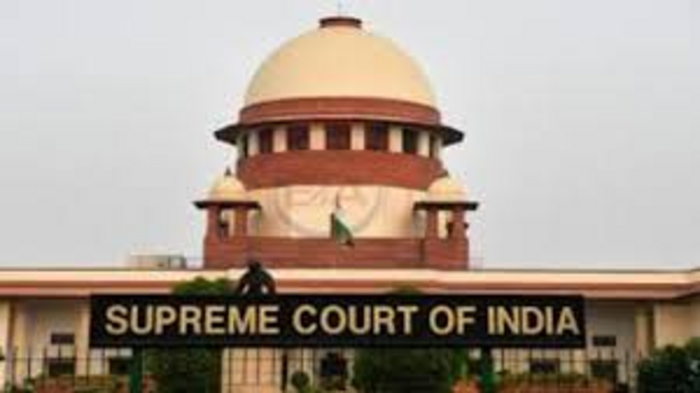
The Supreme Court of India is looking into issues related to data protection and privacy. This is because people are getting worried about how their personal data's being collected and used in the digital age. As we use platforms and technologies more and more we start to wonder about our individual privacy and if the state is watching us too much.
Key Highlights:

One big issue the Court is considering is how much data government agencies and private companies can collect. With many digital services around a lot of personal data is being collected and this raises concerns about it being misused accessed without permission or getting breached. The Court wants to know if the current rules are enough to protect us from these risks.
The debate is also about surveillance and how it affects our liberties. While surveillance can be justified for security and public order too much of it can take away our individual freedoms. The Court is trying to find a balance between keeping us secure and protecting our rights.
Another important thing the Court is looking at is the need for laws and rules to safeguard our data. This means having laws to protect our data making sure people are accountable for how they use our data and having systems in place to oversee how our data is collected stored and used. It is crucial that we know how our data is being used and that we give our consent.
The Court is also remembering that privacy is a right under Article 21 of the Constitution. This means we need protections in the digital age.
Significance:
The Courts examination is very important for protecting our rights, especially the right to life and personal liberty under Article 21 which includes the right to privacy. If we have data protection rules we can control our personal information.
It also plays a role in shaping Indias digital governance framework. As India moves towards a data-driven economy we need effective rules to balance innovation with individual rights.
Moreover strong data privacy rules help people trust platforms and government systems. This is necessary for people to adopt services and for technological growth to be inclusive and secure.
The Supreme Courts review of data privacy concerns shows that we need to update our laws to fit the changing landscape. By focusing on safeguards, accountability and protecting rights the Court is helping to create a secure and rights-based digital ecosystem, in India. The Supreme Court is looking at Data Privacy Concerns to make sure we have a digital space. Data Privacy Concerns are an issue and the Supreme Court is working on it.