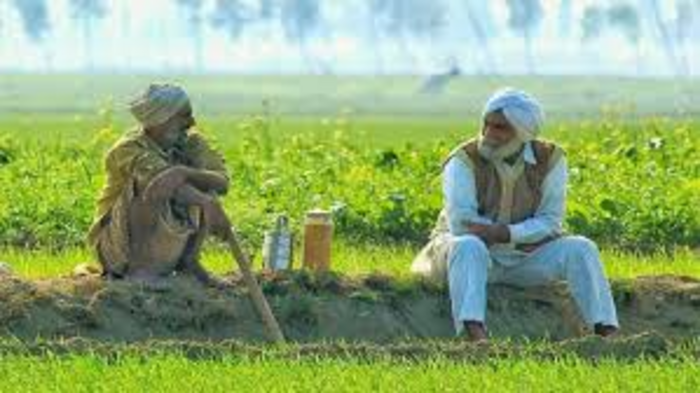
The Indias agriculture sector is dealing with the problems caused by climate variability, such as unpredictable rainfall, rising temperatures and frequent extreme weather events. These changes mean that farmers need to use resilient and sustainable farming practices to ensure that they can keep farming in the long term.
Key Highlights:

One of the things that is being done is to use crop varieties that can handle climate changes. These crops are resistant to drought, flood and heat so they can survive in weather. Institutions that do research along with the government are helping to create and give these varieties to farmers, which reduces the chance of crop losses.
Another important thing that is happening is the use of precision agriculture techniques. This method uses technology like satellite imagery, sensors, drones and data analysis to make farming better. Precision agriculture helps farmers use water, fertilizers and pesticides in an efficient way, which increases productivity and reduces waste and harm to the environment.
Also digital tools and weather forecasting systems are helping farmers make decisions. They get real-time advice on the weather. They can use mobile apps and early warning systems to plan when to plant, water and harvest their crops, which reduces the risks of unpredictable weather.
People are also trying to promote farming practices like growing many types of crops using integrated farming systems and conserving soil. These practices make the soil healthier save water and make farms more resilient.
Significance:
It is very important to adapt agriculture to climate challenges so that we can make sure people have food. Climate-resilient practices help keep crop yields stable and reduce problems in the food supply chain.
These measures also help farmers by reducing their dependence, on weather and lowering the risk of losing income. When farmers are more productive and use resources efficiently they can have lives and be more economically stable.
From a perspective a strong agricultural sector helps the economy grow by keeping people employed in rural areas and keeping food prices stable. It also helps the country deal with climate-related problems.
Indias efforts to adapt its agriculture sector to climate challenges show that the country is looking to the future and wants to develop in a way. By using innovation, technology and resilient farming practices Indias agriculture sector is working to secure its food systems and improve the lives of farmers in the face of climate change.