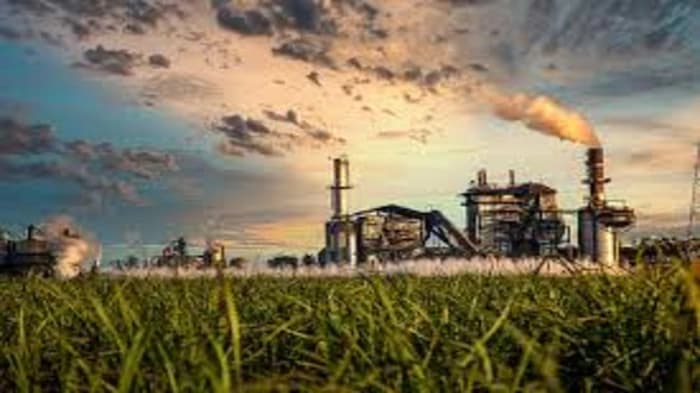
The choice, made within the Ethanol Blended Petrol (EBP) Programme, seeks to enhance biofuel adoption, yet has brought back worries about the shift of food grains from securing food to meeting fuel demands.
What is Ethanol and the EBP Initiative?

Ethanol is a biofuel made from alcohol, produced by fermenting sugars, starches, or cellulosic materials obtained from plants such as sugarcane, corn, and rice. When mixed with petrol, it aids in lowering vehicle emissions and reliance on fossil fuels.
The Ethanol Blended Petrol (EBP) Programme commenced in 2003 and gained momentum from 2014. It requires the mixing of ethanol with gasoline.
India has reached its E20 goal — a 20% ethanol blend in petrol by 2025 — and now plans to achieve 30% blending by 2030.
Importance of the Action
Energy Security: Aids in decreasing India's reliance on crude oil imports and encourages energy independence.
Environmental Advantages: Ethanol serves as a cleaner fuel, producing lower greenhouse gas emissions than regular gasoline.
Rural Economic Growth: Increases demand for excess agricultural products, potentially aiding farmers by offering improved prices.
Policy Drive for Renewable Energy: Matches India's pledge under the Paris Agreement and aims for increased utilization of renewable sources.
Worries about the Relocation
Food Security Concern: Redirecting 5.2 million tonnes of rice from central reserves may put pressure on the Public Distribution System (PDS), particularly in drought years or times of rising prices.
Price Imbalance: Inexpensive provision of FCI rice (₹22.50/kg) to distilleries could influence open market prices and negatively impact the underprivileged.
Ecological Unsustainability: Rice requires a lot of water, and its use for ethanol creates worries in areas facing water shortages.
Suboptimal Resource Utilization: Detractors claim that producing ethanol from food grains is neither the most effective nor the most ethical approach, particularly when there are alternatives such as second-generation (2G) ethanol made from waste biomass.
Distortion of Agricultural Priorities: Excessive dependence on limited ethanol feedstocks (rice, sugarcane, maize) could impact crop diversification and soil health.
The Way Ahead
- 2G ethanol (from non-food biomass and agricultural waste) should become the main focus.
- Provide precise rules that strike a balance between the objectives of biofuel and food security.
- Increase the efficiency of producing ethanol from non-edible sources.
- Make sure that audits on the use of diverted grains and how they affect PDS stocks are transparent.








.jpg&w=256&q=75)
.jpg&w=256&q=75)
.webp&w=256&q=75)
