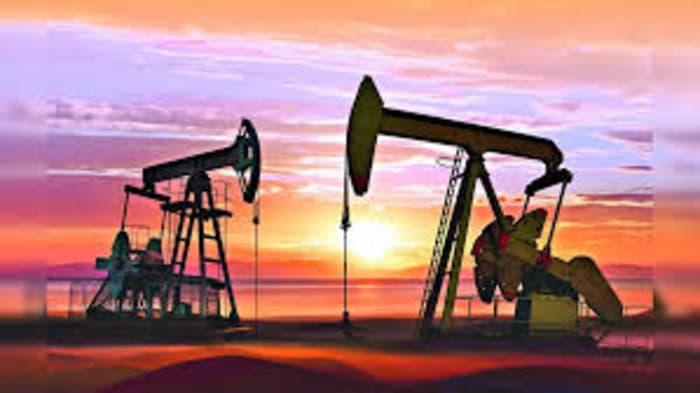
Global oil prices have remained unstable amid ongoing geopolitical tensions, particularly in regions critical to energy supply chains such as the Strait of Hormuz. The volatility in crude oil markets has triggered widespread concerns about the global economy, with energy-importing countries facing the greatest risks.
The Strait of Hormuz, a key maritime chokepoint, handles a significant share of the world’s oil shipments. Any disruption in this region directly impacts global supply, leading to sharp fluctuations in prices. Recent tensions and uncertainties surrounding shipping routes have further intensified market instability, contributing to unpredictable price movements.

For India, the situation is particularly significant, as the country depends heavily on imported crude oil to meet its energy requirements. Rising oil prices can have a cascading impact on the domestic economy. One of the immediate concerns is inflation, as higher fuel costs increase transportation and production expenses, which in turn raise the prices of goods and services.
Another major concern is the current account deficit (CAD). As oil prices rise, India’s import bill increases substantially, putting pressure on the balance of payments. This can lead to currency depreciation and further economic challenges, especially in a volatile global financial environment.
Experts highlight that sustained volatility in oil prices underscores the vulnerability of energy-importing economies to external shocks. It also reinforces the need for strategic measures such as diversifying energy sources, investing in renewable energy, and maintaining strategic petroleum reserves.
In the long term, reducing dependence on imported fossil fuels will be crucial for ensuring energy security and economic stability. India has already been taking steps in this direction through initiatives promoting renewable energy and alternative fuels.
Overall, the continued volatility in global oil prices reflects the deep interlinkages between geopolitics and economic stability. For India, managing these challenges will require a combination of diplomatic engagement, economic resilience, and a strong push towards energy diversification.









.jpg&w=256&q=75)
.jpg&w=256&q=75)
.webp&w=256&q=75)
