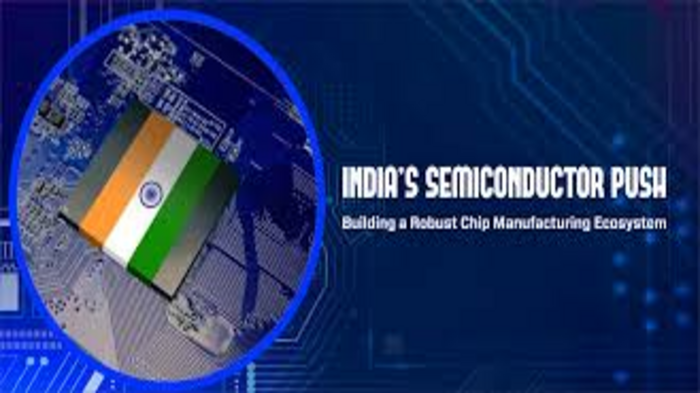
The Government of India has intensified efforts to develop a robust semiconductor ecosystem as part of its broader strategy to strengthen the country’s technological capabilities. With global semiconductor shortages and rising geopolitical uncertainties, India is prioritizing domestic manufacturing and supply chain resilience through targeted policy interventions.
Key Highlights:
A central component of this initiative is the Semicon India Programme, which provides financial incentives and policy support to attract investments in semiconductor fabrication and assembly units. The government is offering subsidies, infrastructure support, and simplified regulatory frameworks to encourage companies to establish chip manufacturing facilities in India.

India is also actively collaborating with leading global technology firms to bring in expertise, advanced manufacturing techniques, and capital investment. Strategic partnerships with international players are expected to accelerate the development of a complete semiconductor value chain, including design, fabrication, testing, and packaging.
Another key focus area is strengthening supply chain resilience. The COVID-19 pandemic and global disruptions exposed vulnerabilities in semiconductor supply chains, prompting India to build a more self-reliant and diversified ecosystem. Efforts are being made to ensure the availability of raw materials, skilled workforce, and supporting industries necessary for semiconductor production.
In addition, the government is promoting research and development, as well as skill development programs, to create a talent pool capable of supporting this high-technology sector.
Significance:
The development of a domestic semiconductor ecosystem is crucial for reducing India’s dependence on imports, particularly in critical sectors such as electronics, telecommunications, and defence. It enhances national security by ensuring access to essential technologies.
The initiative also supports the vision of Make in India by boosting domestic manufacturing and attracting foreign direct investment. A strong semiconductor industry can serve as a catalyst for growth in multiple sectors, including automotive, consumer electronics, and digital services.
Moreover, achieving technological self-reliance will position India as a key player in the global semiconductor landscape. As demand for chips continues to rise worldwide, India’s efforts to build a resilient and competitive ecosystem will contribute to long-term economic growth, innovation, and strategic autonomy.










.jpg&w=256&q=75)
.jpg&w=256&q=75)
.webp&w=256&q=75)
