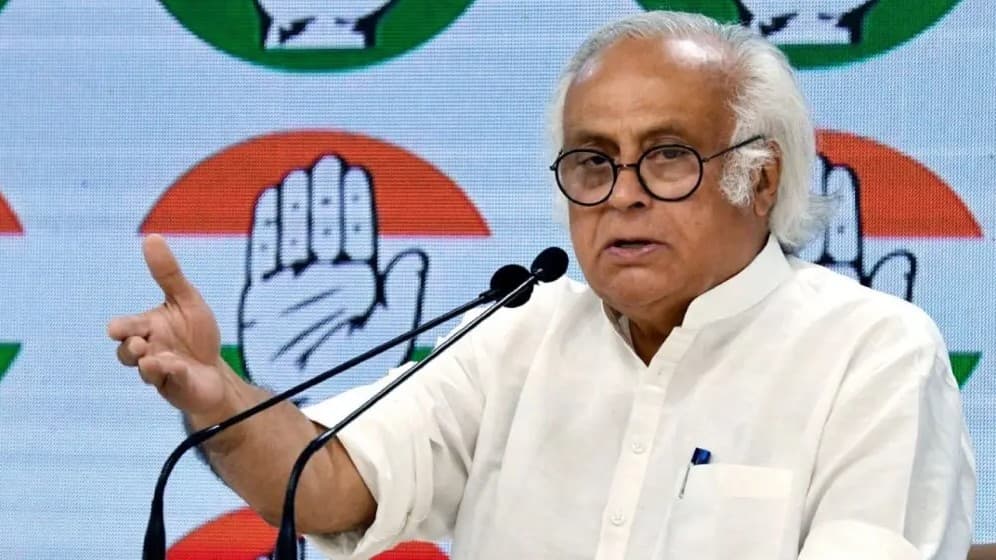
Congress MP Jairam Ramesh on March 19 raised concerns over the proposed Viksit Bharat Shiksha Adhishthan Bill, 2025, saying that it could centralize higher education regulation and impact institutional autonomy.
In a statement, Ramesh said the "Ministry has not consulted State Governments in the drafting of this Bill" and flagged potential implications for the federal structure. The legislation is currently under examination by a Joint Parliamentary Committee.

He also referred to the Parliamentary Standing Committee on Education’s report on the Department of Higher Education’s demand for grants, which highlighted a significant number of vacancies in key regulatory bodies such as the University Grants Commission and the All India Council for Technical Education.
Linking these concerns to the proposed reforms, Ramesh said the Bill introduces changes to the regulatory framework at a time when existing institutions are already facing capacity issues.
On the legal front, he argued that the Bill "goes beyond the powers of Parliament under Entry 66 of the Union List, which is limited to coordination and determination of standards in higher education, and covers areas such as incorporation and regulation of universities that fall within the domain of states."
Ramesh also pointed to structural changes in the proposed framework, noting the absence of a separate funding council.
He said the National Education Policy 2020 had proposed a Higher Education Council of India with four verticals, including one dedicated to funding, whereas the current Bill provides for three councils, which could shift grant-related responsibilities to the Ministry.
On governance, he said the Bill expands the role of appointed officials in regulatory bodies. He observed that institutions like the UGC and AICTE are currently led by academics, while the proposed system assigns executive functions to member secretaries.
He further highlighted provisions related to Institutes of National Importance, including IITs, IIMs, NITs, and IISERs, stating that although these institutions currently enjoy academic autonomy, certain clauses in the Bill could override existing laws and affect their functioning.
On regulatory processes, Ramesh said the Bill departs from the consultative approach followed by the UGC.
He noted that while the current system involves engagement with universities on standards and inspections, the proposed framework grants broader powers to councils without specifying similar consultation requirements.
He also raised concerns about approval mechanisms, stating that while universities currently do not need AICTE approval to start new departments, the proposed Bill would require council approval for setting up campuses.
The VBSA Bill, 2025, is part of the government’s plan to overhaul higher education regulation by replacing existing bodies with a new structure and is presently under review by a parliamentary panel.