In a dramatic last-minute de-escalation, Donald Trump agreed to a two-week ceasefire with Iran, stepping back from threatened strikes on civilian infrastructure just hours before a self-imposed deadline. In return, Tehran accepted the truce and agreed to conditionally reopen the strategically critical Strait of Hormuz.
The agreement, reached less than two hours before Washington’s ultimatum expired, temporarily halts a 40-day conflict and creates a narrow diplomatic window for further negotiations. The US will suspend planned attacks on Iranian bridges, power plants and other civilian targets, following what Trump described as a “workable” 10-point peace proposal from Tehran.

Talks aimed at securing a longer-term settlement are scheduled between US and Iranian officials in Islamabad on April 10.
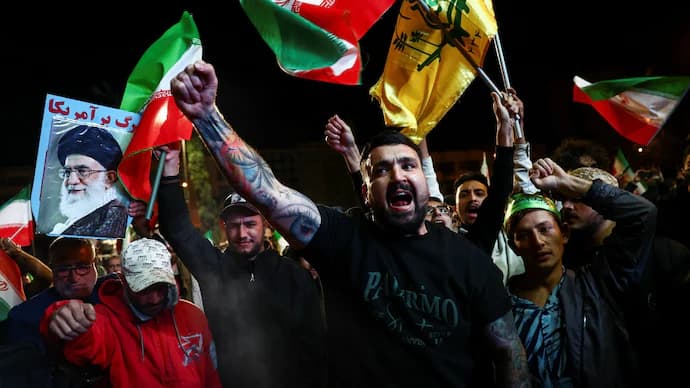
Despite the breakthrough, the situation on the ground remains volatile. Iran confirmed its acceptance of the ceasefire framework, but missile alerts continued across the Gulf region. Israel also endorsed the temporary truce, while clarifying that it does not extend to ongoing military operations in Lebanon.
“I hold off the destructive force being sent tonight to Iran… subject to the complete, immediate, and safe opening of the Strait of Hormuz, I agree to suspend the bombing… for a period of two weeks,” Trump said.
Tehran, in response, stated that its armed forces would cease defensive operations if attacks on Iran were halted. It also signaled willingness to engage in negotiations based on a broader 15-point proposal, alongside Washington’s acceptance of its 10-point framework.
Iran added that safe maritime passage through the Strait of Hormuz would be ensured during the truce period, coordinated with its armed forces and subject to technical constraints.
Both sides, however, projected the agreement as a strategic win. Iran’s Supreme National Security Council claimed Washington had accepted Tehran’s conditions, while the White House maintained that US military pressure forced Iran to reopen the vital shipping route.
Israeli Prime Minister Benjamin Netanyahu backed the US decision but reiterated that operations in Lebanon would continue—contradicting Tehran’s demand for a broader ceasefire covering the Lebanese front.
Even after the truce announcement, missile interception alerts were reported in Saudi Arabia, Bahrain, and Kuwait, underscoring lingering instability.
Iran’s longer-term proposals reportedly include imposing transit fees on vessels passing through the Strait of Hormuz, potentially in coordination with Oman, with revenues earmarked for reconstruction. Tehran has also demanded the withdrawal of US combat forces, the lifting of sanctions, and the release of frozen assets as part of any permanent settlement.
Shehbaz Sharif, who has played a mediating role, said the ceasefire framework also calls for halting hostilities between Israel and Hezbollah in Lebanon. He confirmed that delegations from both sides have been invited to Islamabad for further talks, expressing hope for “sustainable peace.”
Financial markets reacted swiftly to the development. Oil prices dropped sharply below $100 a barrel, with Brent crude futures falling 13.3% to $94.74, while US crude declined 14.3% to $96.83. Asian markets and US stock futures also surged on easing supply concerns following the planned reopening of the Strait.
Now in its sixth week, the conflict has claimed over 5,000 lives across nearly a dozen countries, including more than 1,600 civilians in Iran. US strikes have reportedly killed key Iranian figures, including Ali Khamenei and Ali Larijani, alongside widespread destruction of critical infrastructure—underscoring the high stakes behind the fragile pause in hostilities.




.jpg&w=256&q=75)





.jpg&w=256&q=75)
