Iran has pushed back against speculation of a deadlock in Pakistan-mediated peace efforts, asserting it has never declined talks in Islamabad even as it set firm conditions for any negotiations to end the conflict decisively.
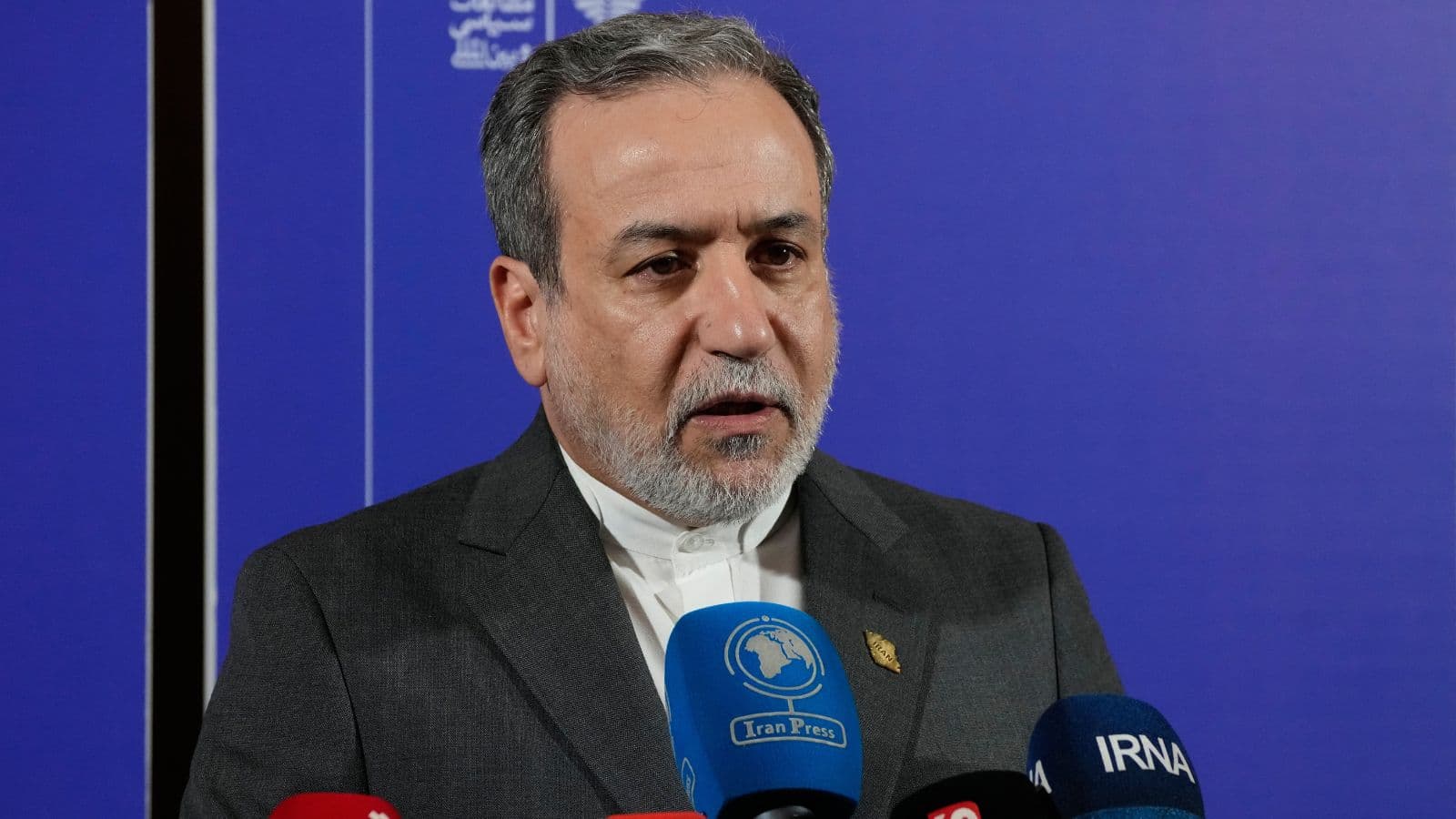
Speaking on April 4, Iranian Foreign Minister Seyed Abbas Araghchi said Tehran remains open to dialogue in Pakistan but stressed that discussions must lead to a “conclusive and lasting” end to what he described as an “illegal war”.

“We are deeply grateful to Pakistan for its efforts and have never refused to go to Islamabad,” Araghchi said in a social media post. “What we care about are the terms of a conclusive and lasting END to the illegal war that is imposed on us.”
His remarks come amid reports suggesting a possible impasse in talks facilitated by Pakistan between Iran and the United States, as Islamabad attempts to broker peace following a sharp escalation in the region.
Islamabad swiftly rejected claims of stalled negotiations. Foreign Office spokesperson Tahir Andrabi dismissed such reports as “baseless” and a “figment of imagination”, warning against attributing unverified claims to official sources.
“We categorically reject these false insinuations attributed to purported official sources as baseless and a figment of imagination. Any attribution to official sources in this regard is incorrect,” Andrabi said, adding that a recent Foreign Ministry briefing had been “misrepresented”.
He urged media platforms to exercise caution and rely only on official statements for accurate updates on the evolving situation.
Pakistan continues mediation push
Pakistan stepped in as a mediator after the conflict expanded across the Gulf, positioning itself as a conduit for communication between Washington and Tehran.
According to a report by Press Trust of India, officials in Islamabad have maintained that dialogue efforts remain active despite speculation to the contrary.
However, a report in Dawn, citing an unnamed official, suggested that while initial exchanges between the two sides had taken place, momentum slowed due to the absence of a clear signal from Tehran.
“It is surprising that despite the obliteration of significant naval, air force, and other military and civilian infrastructure, Iran has not responded positively to calls for negotiations,” the official was quoted as saying.
The report added that both Pakistan and China had encouraged Iran to engage, though no formal indication of readiness had been conveyed. Pakistani leadership, however, remains in contact with Iranian President Masoud Pezeshkian and Araghchi.
Tehran signals conditional openness
Reiterating its stance, Araghchi said Iran is willing to restart talks in Pakistan but underscored that any process must produce a definitive resolution. Associated Press also reported Tehran’s readiness to re-engage, with Islamabad previously offering to host negotiations.
The timeline for such talks, however, remains uncertain.
War escalation reshapes region
The ongoing Iran–US–Israel war 2026 escalated sharply after joint strikes by the United States and Israel on February 28, which killed Iranian Supreme Leader Ayatollah Ali Khamenei along with several senior commanders.
Iran’s retaliation widened the conflict across the Gulf, disrupting global energy supply chains and impacting shipping routes through the Strait of Hormuz.espite the intensifying crisis, Pakistan has continued to position itself as a mediator, seeking to facilitate dialogue while carefully avoiding direct involvement in the conflict.




.jpg&w=256&q=75)





.jpg&w=256&q=75)
