The government is looking to use one of its largest community networks in rural India to address a different kind of financial inclusion challenge: helping households access and understand formal pension and retirement savings products.
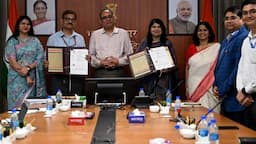
The Department of Rural Development (DoRD) and the Pension Fund Regulatory and Development Authority (PFRDA) have signed a memorandum of understanding to create a dedicated cadre of ‘Pension Sakhis’, drawing on the community institutions of the Deendayal Antyodaya Yojana-National Rural Livelihoods Mission (DAY-NRLM).

The initiative will use Banking Correspondent (BC) Sakhis and other trained community resource persons to create awareness, facilitate enrolment and provide pension-related support to Self Help Group (SHG) members, rural women, Lakhpati Didis and other underserved groups, according to the Ministry of Rural Development.
The approach effectively places pension awareness within an existing community network rather than relying only on conventional financial-service channels. This is significant because DAY-NRLM has already built a large rural women’s network.
As of March 2026, more than 10.05 crore rural women households had been brought into over 90.90 lakh SHGs under the mission, according to government data.
That network is now being positioned as a channel for retirement planning and pension enrolment.
Taking pension support to the last mile
The government’s stated focus is not limited to opening pension accounts. Pension Sakhis are expected to provide doorstep awareness, enrolment and support, including in remote areas.
The model will also use digital dashboards, mobile and web-based solutions and unique identifier-based tracking through Central Recordkeeping Agencies to monitor outreach, enrolment and performance, according to the official statement.
For rural households, the emphasis on community-based support is linked to the different savings patterns and livelihood cycles of SHG members.
Rural Development Secretary Rohit Kansal said pension awareness and financial literacy need to be built around honesty, transparency and trust, while trained BC Sakhis and other financially literate community cadres could help expand pension coverage.
The initiative comes as India's formal pension system continues to expand. PFRDA's latest data shows 2.31 crore subscribers under the National Pension System and 7.94 crore active accounts under the Atal Pension Yojana as of September 6, 2026.
PFRDA has also reported that gross enrolments under the Atal Pension Yojana crossed nine crore in April 2026, highlighting the scale at which pension participation has grown.
The new partnership is aimed at taking that broader pension push further into rural communities by connecting formal pension products with people through workers who already operate within those communities.
Beyond enrolment
PFRDA Whole Time Member (Economics) Mamta Shankar underlined the importance of retirement planning amid rising life expectancy and changing demographic trends. The collaboration will promote pension products, including the National Pension System, among rural households with limited access to formal retirement and social security mechanisms.
That makes financial literacy a central part of the proposed model. The government statement specifically links the role of Pension Sakhis to awareness, enrolment and continuing support, rather than treating registration as the end point.
The arrangement also comes as PFRDA continues to expand its financial-literacy efforts. The regulator's current programmes include NPS Sanchay awareness sessions and subscriber education initiatives, alongside its broader pension-awareness and training activities.
For the rural livelihoods network, the partnership adds another layer to the financial services already being accessed through community institutions. For PFRDA, it offers a route to take pension awareness beyond formal financial-service points and into established rural networks.
The effectiveness of the Pension Sakhis model will ultimately depend on how successfully these community cadres can turn awareness into informed participation and sustained engagement with pension products. For now, the MoU marks an attempt to bring pension planning closer to rural households by using a network that already has a presence within them.









.webp&w=256&q=75)
