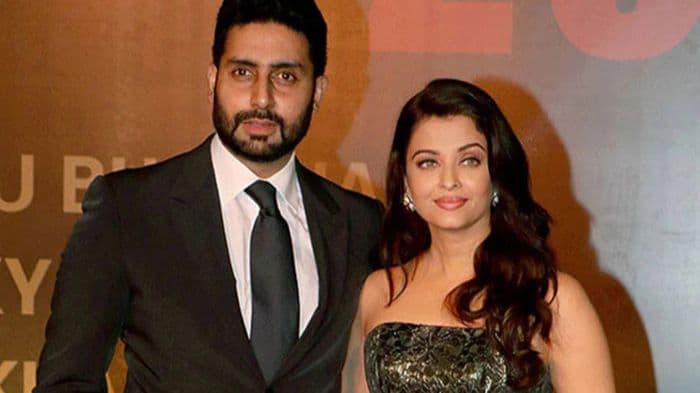
Bollywood stars Aishwarya Rai Bachchan and Abhishek Bachchan have moved to protect their personas online by filing separate lawsuits against YouTube and its parent company Google, seeking ₹4 crore in damages over the circulation of deepfake videos and AI-generated content they claim misuse their likenesses.
The legal complaints, filed earlier this month, allege that the platform has allowed or failed to prevent “egregious”, “sexually explicit”, or “fictitious” AI content that portrays Aishwarya in scenarios involving other actors without consent.

The lawsuits further argue that the platform’s policies may permit content creators to consent to their videos being used to train third-party AI models—raising concerns about further proliferation.
The couple is asking the court for injunctive relief to remove the offending videos and prevent further misuse of their images, voices, and names. They also seek that YouTube be compelled to adopt safeguards ensuring that any material misusing their persona cannot be used for AI training.
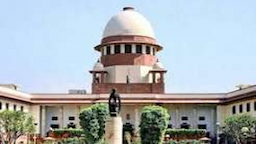
Reports say that the court has already ordered 518 specific URLs and web links flagged by the plaintiffs to be taken down temporarily, pending further hearings. The next hearing date is scheduled for Jan 15.
One cited example involves a YouTube channel named AI Bollywood Ishq which hosts dozens of AI-generated videos. Some of these manipulate scenes to portray Aishwarya and Salman Khan in romantic or intimate settings or depict Abhishek in bizarre scenarios. The channel has reportedly garnered millions of views.
India currently does not have comprehensive statutory protections for personality rights as seen in some jurisdictions. The Bachchans’ suit is being seen as a landmark case that could shape how courts and platforms handle AI deepfakes and misuse of celebrity identities.
In a statement, their legal teams emphasized that the misuse of public figures’ images through AI tools risk not only defamation but also the metastasis of harmful content if used for model training. Google and YouTube have not publicly commented on the litigation.