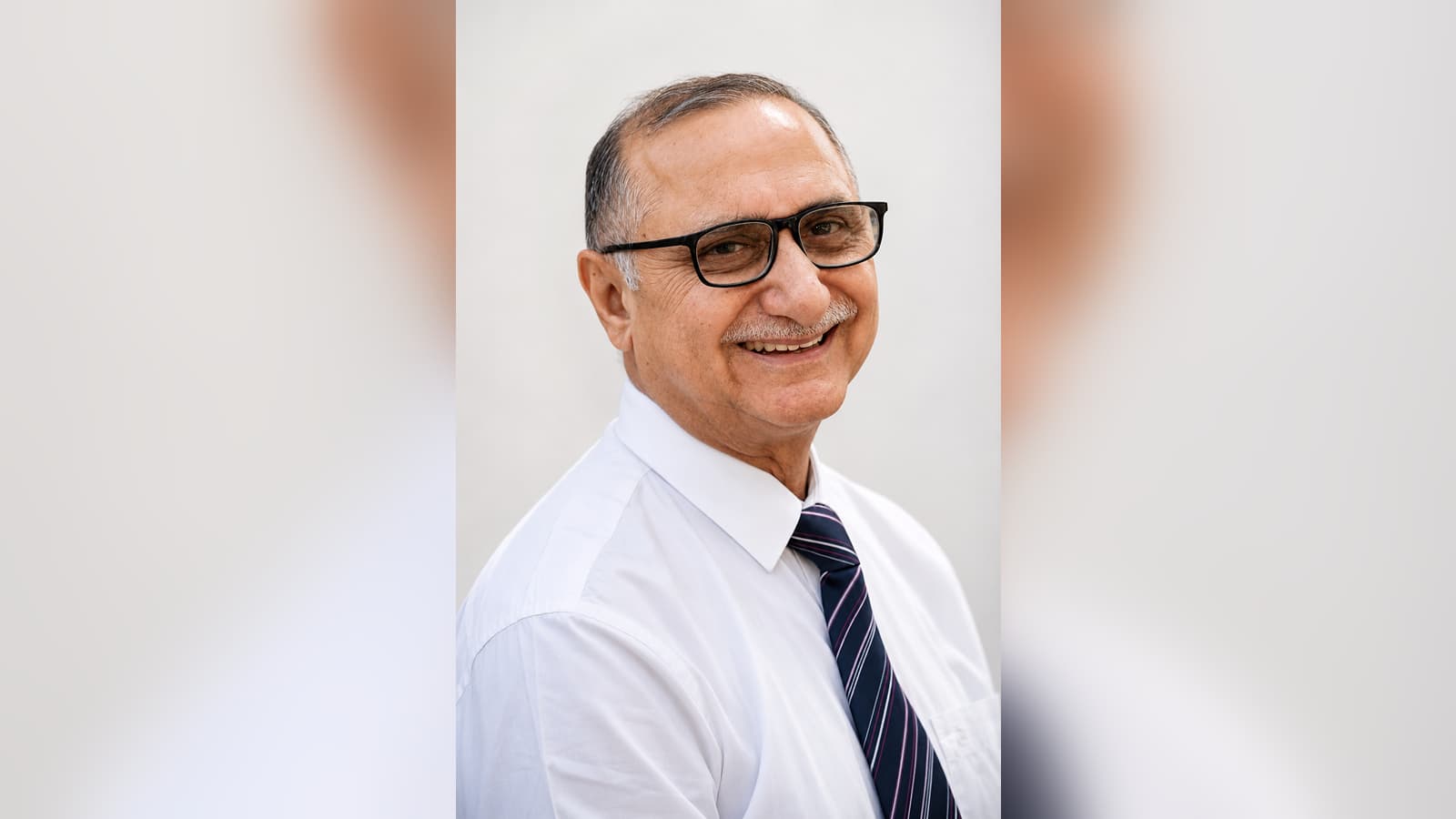
For over four decades, Prof. Keshav Sharma, Vice-Chancellor, ICFAI University, Himachal Pradesh has witnessed Indian higher education evolve from a knowledge-delivery system into a dynamic ecosystem expected to nurture innovators, entrepreneurs, researchers, and socially responsible leaders. Having served in virtually every major academic and administrative role—from Dean Academic Affairs and Registrar to Vice-Chancellor—his perspective is shaped by extensive institutional leadership, quality-assurance experience, and exposure to global university ecosystems. In this exclusive interview with Education Post’s Prabhav Anand, Prof. Sharma discusses the future of engineering education in the age of artificial intelligence, the limitations of placement-centric success, the urgent need for industry-academia integration, and why human values must remain at the heart of technological advancement.
Q1. You have spent over four decades navigating almost every major academic and administrative role within higher education—from Dean Academic Affairs and Registrar to Vice-Chancellor. Looking back, what are the most significant shifts you have witnessed in the purpose of higher education, and where do you believe engineering education stands in that transformation today?

When I look back over the last four decades, one of the most significant transformations I have witnessed is the changing purpose of higher education itself. Earlier, universities were primarily expected to impart disciplinary knowledge and prepare students for specific professions. While that responsibility remains important, the expectations from higher education today are far broader and more dynamic.
Universities are now expected to nurture innovators, entrepreneurs, leaders, ethical citizens, and lifelong learners who can contribute meaningfully to society. Knowledge alone is no longer sufficient. Students must also develop critical thinking abilities, adaptability, creativity, and a strong sense of social responsibility to navigate an increasingly complex world.
This shift is particularly visible in engineering education. Today's engineers are expected to solve multidisciplinary challenges that extend beyond technology and involve sustainability, economics, public policy, environmental concerns, and human behavior. The engineer of the future will not merely design products or systems; they will design solutions that address real societal needs. Therefore, engineering institutions must evolve from being centers that teach technologies to becoming ecosystems that nurture problem-solvers, innovators, and responsible change-makers capable of shaping a better future.
Q2. India's engineering institutions have traditionally measured success through placements. In an era dominated by AI, automation, and rapidly changing technologies, should engineering universities now be judged more by their ability to create innovators, researchers, and problem-solvers than by placement statistics alone?
Placements will always remain an important indicator because they reflect the employability and market relevance of graduates. However, in today's rapidly evolving technological landscape, they can no longer be the sole measure of institutional success.
Artificial Intelligence, automation, and emerging technologies are transforming industries at an unprecedented pace. Many routine technical tasks are increasingly being performed by intelligent systems, which mean that future professionals must bring capabilities that go beyond technical execution. Engineering institutions must therefore focus on producing graduates who can identify problems, think creatively, adapt continuously, and innovate throughout their careers.
The real measure of an engineering university today should include its ability to foster innovation, encourage research, support entrepreneurship, and develop professionals who remain relevant despite technological disruptions. Institutions should be assessed not only by how many students secure jobs but also by how many create solutions, generate intellectual property, launch startups, contribute to research, and address societal challenges.
Ultimately, placements indicate immediate success, whereas innovation capacity reflects long-term institutional impact. Universities must strive to achieve both.
Q3. Having led institutions through academic, administrative, and student-centric roles, what leadership qualities do you believe tomorrow's engineers will need that are currently missing from most engineering classrooms?
The future workplace is changing rapidly, and the leadership qualities required from engineers are evolving accordingly. While technical competence remains essential, it is no longer sufficient on its own.
Tomorrow's engineers will need adaptability, emotional intelligence, communication skills, resilience, ethical reasoning, and systems thinking. They will be expected to work in multidisciplinary teams, interact with diverse stakeholders, and make decisions in environments characterized by uncertainty and constant change.
Unfortunately, many engineering classrooms continue to focus heavily on technical content while giving comparatively less attention to these human and leadership dimensions. Students often graduate with strong theoretical knowledge but limited exposure to teamwork, communication, conflict resolution, and real-world decision-making.
Engineering education must therefore become more holistic. Institutions should create opportunities for project-based learning, collaborative problem-solving, leadership development, and community engagement. These experiences help students understand that successful engineering is not only about designing technologies but also about leading people, managing complexity, and creating positive societal impact.
Q4. You were part of academic teams that studied research cultures and university ecosystems in countries such as the USA, Canada, and Singapore. What is one practice you observed abroad that Indian engineering institutions still struggle to implement effectively, despite years of discussion around reform?
One practice that consistently impressed me in leading universities abroad was the seamless integration of academia, industry, and society. In many institutions across the United States, Canada, and Singapore, research often begins with a real-world challenge and progresses towards a practical solution that creates measurable impact.
The relationship between universities and industry in these ecosystems is not occasional or transactional. It is continuous, structured, and deeply embedded within the academic framework. Industry actively participates in curriculum design, research projects, innovation initiatives, internships, faculty development, and entrepreneurial ecosystems.
In India, we have certainly made progress in discussing and promoting industry-academia collaboration, but implementation remains uneven. In many cases, partnerships are still limited to placements or short-term interactions rather than sustained engagement.
For meaningful transformation, collaboration must become a routine part of institutional culture rather than a special initiative. When industry, academia, and society work together consistently, research becomes more relevant, students gain practical exposure, and innovation naturally flourishes. Until such integration becomes an integral part of our higher education ecosystem, many reform efforts will remain incomplete.
Q5. With AI increasingly capable of coding, designing, analysing data, and even generating research drafts, what should engineering students focus on mastering so that they remain relevant in a future where machines may perform many technical tasks faster than humans?
As Artificial Intelligence continues to evolve, it is becoming increasingly capable of performing tasks that were once considered exclusively human. However, there are still several qualities that machines cannot easily replicate, and these are precisely the areas where students should focus their attention.
Engineering students must cultivate creativity, curiosity, judgment, ethical reasoning, interdisciplinary thinking, and the ability to define meaningful problems. While AI can generate solutions, humans must determine which problems deserve solving, evaluate the broader implications of those solutions, and ensure that technological advancement remains aligned with societal values.
The future will belong not to those who simply use technology but to those who can combine technological capability with human insight. Students should learn how to work alongside AI rather than compete with it. They must understand how to leverage intelligent tools while retaining the ability to think critically, ask the right questions, and make responsible decisions.
In many ways, the rise of AI makes human qualities even more important. Technical knowledge will remain valuable, but the ability to apply that knowledge wisely and ethically will become the defining characteristic of successful professionals.
Q6. You have often emphasized academic quality, research exposure, and institutional excellence throughout your career. Many universities today have impressive research metrics on paper, yet very little real-world impact. How can engineering institutions bridge the gap between publication culture and problem-solving culture?
Research should never be viewed as an end in itself. In my view, meaningful research begins with a question that matters and ultimately leads to a solution that creates value for society. While publications are important because they contribute to the body of knowledge and academic discourse, they should not become the sole objective of research activity.
One of the challenges many institutions face today is that research is often evaluated primarily through quantitative indicators such as publication counts, citations, or rankings. While these metrics have their place, they do not always reflect real-world impact. Engineering institutions must therefore encourage outcome-oriented research that addresses pressing challenges related to industry, healthcare, sustainability, rural development, environmental protection, and societal well-being.
A strong problem-solving culture emerges when researchers engage directly with stakeholders and understand the practical realities surrounding a problem. When academia collaborates closely with industry, government agencies, communities, and civil society, research naturally becomes more relevant and impactful. Ultimately, the true success of research lies not merely in publication but in its ability to improve lives, solve problems, and contribute meaningfully to national development.
Q7. As someone associated with NAAC, NBA, AICTE, and UGC evaluation processes, do you think Indian institutions sometimes focus excessively on compliance and documentation rather than genuine academic transformation? What would an ideal quality-assessment framework look like from your perspective?
Quality assurance plays an important role in strengthening institutions, but there is always a risk that the process becomes more focused on compliance than on genuine transformation. In some cases, institutions invest considerable effort in producing documentation and evidence for assessment exercises rather than concentrating on creating meaningful educational value.
The purpose of any quality framework should be to improve learning outcomes, institutional effectiveness, research quality, innovation, and student development. Documentation is important because it provides evidence of processes and achievements, but it should never become the primary objective.
An ideal quality-assessment framework should encourage continuous improvement rather than periodic preparation for accreditation cycles. It should assess how effectively institutions create learning opportunities, support faculty development, foster innovation, engage with society, and prepare students for future challenges. Most importantly, it should reward authentic institutional growth rather than procedural compliance.
I have always believed that quality is not a file, a report, or an accreditation certificate. Quality is a culture. When institutions genuinely embrace excellence as part of their everyday functioning, meaningful transformation follows naturally.
Q8. Being based in Himachal Pradesh, do you believe engineering education in mountain states should evolve differently from institutions located in metropolitan regions? What unique research opportunities exist in areas such as sustainability, disaster management, climate resilience, infrastructure, and rural innovation?
I strongly believe that regional relevance should be a defining characteristic of higher education. While institutions everywhere must maintain global standards, they should also respond to the unique opportunities and challenges of the regions in which they operate.
Mountain states such as Himachal Pradesh offer exceptional possibilities for research and innovation. The region presents unique challenges related to climate resilience, sustainable infrastructure, renewable energy, water resource management, disaster mitigation, eco-tourism, smart agriculture, and rural development. These are not only local concerns but increasingly global priorities as nations around the world confront issues related to sustainability and environmental change.
Engineering institutions located in such regions have an opportunity to become centres of excellence in these specialised domains. By addressing local challenges through technology and innovation, they can develop solutions with far-reaching applications beyond geographical boundaries.
In many ways, mountain states provide ideal living laboratories where students and researchers can work on real-world problems. The objective should be to transform local challenges into globally relevant solutions while ensuring that development remains environmentally responsible and socially inclusive.
Q9. Your academic specialization is marketing, yet you have led multidisciplinary institutions and engineering-focused ecosystems. How has your understanding of consumer behavior and market dynamics influenced the way you think about engineering education and university governance?
Although my academic specialization is in marketing, I have always viewed marketing as much more than a business discipline. At its core, marketing is about understanding human needs, creating value, and responding effectively to changing expectations. These principles are equally relevant to higher education and engineering institutions.
Engineering solutions succeed only when they address genuine human requirements. A technically sophisticated innovation has little value if it does not solve a meaningful problem or improve the lives of people. My understanding of consumer behaviour has therefore reinforced the importance of keeping people at the centre of decision-making.
The same philosophy applies to university governance. Educational institutions serve multiple stakeholders, including students, parents, faculty members, industry partners, alumni, regulators, and society at large. Understanding their expectations helps institutions remain relevant, responsive, and future-oriented.
In many respects, successful university leadership requires the same mindset that successful organizations adopt—listening carefully, anticipating emerging needs, creating value, and continuously adapting to change. This perspective has significantly influenced the way I approach institutional development and academic leadership.
Q10. Many universities today have incubation centers, startup policies, innovation cells, and entrepreneurship clubs. However, very few student startups survive beyond the initial stage. What separates a genuine innovation ecosystem from a university that simply possesses innovation infrastructure?
Infrastructure is certainly important, but infrastructure alone does not create innovation. Many institutions today have incubation centres, startup policies, entrepreneurship cells, and innovation labs, yet relatively few are able to build a truly sustainable startup culture. The reason is simple: innovation is ultimately driven by culture rather than facilities.
A genuine innovation ecosystem encourages experimentation, curiosity, risk-taking, collaboration, and resilience. Students must feel empowered to explore ideas, learn from failure, and persist through uncertainty. This requires mentorship, industry engagement, access to networks, and institutional support that extends beyond the initial stages of a startup journey.
Innovation also flourishes when entrepreneurship is integrated into the broader academic environment rather than being treated as a separate activity. Faculty members, industry experts, alumni, investors, and institutional leaders all have important roles to play in nurturing entrepreneurial thinking.
The most successful ecosystems are those where innovation becomes part of the institutional mindset. When creativity, problem-solving, and value creation become embedded in the culture, infrastructure becomes an enabler rather than the defining factor. As I often say, infrastructure alone does not create innovation. Culture does.
Q11. As someone remembered for student engagement initiatives such as UMANG and HARMONY, you have consistently emphasized the cultural and human side of education. In an increasingly technology-driven world, how can engineering institutions ensure that students develop empathy, ethics, and social responsibility alongside technical expertise?
Technology has undoubtedly become one of the most powerful forces shaping our world, but technological advancement must always be guided by human values. If we focus exclusively on technical competence and overlook the human dimension of education, we risk creating solutions that may be efficient but not necessarily beneficial for society.
Throughout my academic journey, I have believed that education must contribute to the holistic development of individuals. Initiatives focused on student engagement, cultural activities, and community participation are important because they help students develop empathy, emotional maturity, social awareness, and a sense of responsibility towards others.
Engineering institutions must consciously integrate ethics, social responsibility, sustainability, and community engagement into the educational experience. These values should not be treated as peripheral subjects but as essential components of professional development. Students should have opportunities to work on real societal challenges, engage with diverse communities, and understand the broader implications of technological decisions.
Technology without humanity can create unintended and even chaotic consequences. Therefore, engineering education must remain deeply human-centred. The ultimate objective is not merely to produce technically competent engineers but responsible professionals who use their knowledge to improve society and contribute positively to the world around them.
Q12. One of the biggest concerns across higher education is not infrastructure but faculty preparedness. How should engineering institutions redesign faculty development so that professors can keep pace with AI, Industry 5.0, and rapidly evolving technological disciplines?
Faculty preparedness will be one of the most critical factors determining the future success of higher education institutions. No matter how advanced the infrastructure may be, the quality of education ultimately depends on the ability of faculty members to remain relevant in a rapidly changing environment.
Traditionally, faculty development has often been viewed as an occasional activity conducted through workshops or short training programmes. However, the pace of technological change today requires a fundamentally different approach. Faculty development must become continuous rather than periodic.
Professors should regularly engage with industry, participate in interdisciplinary research, collaborate internationally, and receive structured exposure to emerging technologies such as Artificial Intelligence, robotics, data science, advanced manufacturing, and Industry 5.0. Institutions must create ecosystems that encourage lifelong learning among faculty members just as strongly as they encourage it among students.
Equally important is the need to develop pedagogical innovation alongside technical expertise. Faculty members must learn how to integrate new technologies into teaching while fostering critical thinking, creativity, and problem-solving abilities among students. Ultimately, the future readiness of students depends directly upon the future readiness of faculty.
Q13. India produces one of the largest numbers of engineering graduates globally, yet industry leaders frequently raise concerns about employability and practical skills. In your assessment, where does the disconnect actually begin—in curriculum design, pedagogy, industry participation, assessment systems, or institutional mindset?
In my view, the disconnect is largely systemic rather than attributable to any single factor. Curriculum design, pedagogy, assessment methods, industry participation, and institutional mindset are all interconnected, and shortcomings in any one area can affect graduate outcomes.
One challenge is that curricula often evolve at a slower pace than technological advancements. By the time certain changes are implemented, industry requirements may have already shifted significantly. Similarly, pedagogical approaches sometimes continue to emphasize memorization and theoretical understanding rather than practical application, creativity, and problem-solving.
Assessment systems also deserve attention. In many cases, examinations reward the ability to recall information rather than the ability to apply knowledge in real-world situations. This creates a gap between academic performance and professional competence.
Industry engagement remains another critical area. Stronger collaboration between institutions and employers can help ensure that learning remains relevant and aligned with emerging workforce requirements.
Most importantly, however, we need a shift in mindset. Higher education must move from teaching subjects to developing competencies. When learning becomes experiential, interdisciplinary, industry-connected, and outcome-oriented, employability improves naturally because students graduate with the knowledge, skills, and adaptability required for long-term success.
Q14. The National Education Policy has strongly advocated multidisciplinary learning and flexible academic structures. From your experience implementing academic reforms, what are the biggest misconceptions institutions have about multidisciplinary education, particularly in engineering programs?
One of the most common misconceptions is that multidisciplinary education simply involves adding a few elective courses from other disciplines to an existing programme. While electives can certainly broaden exposure, true multidisciplinary learning goes much deeper than curriculum diversification alone.
The purpose of multidisciplinary education is to equip students with the ability to address complex problems that cannot be solved through a single disciplinary lens. Real-world challenges often require insights from engineering, management, social sciences, humanities, natural sciences, and public policy working together.
Achieving this objective requires thoughtful curriculum redesign, collaborative teaching, project-based learning, and flexible academic pathways that encourage students to integrate knowledge across domains. It also requires institutional cultures that promote collaboration rather than disciplinary silos.
At the same time, multidisciplinary education should not be confused with superficial breadth. Students must continue to develop strong disciplinary foundations while gaining broader perspectives. The objective is not breadth at the expense of depth. Rather, depth becomes more meaningful and effective when enriched by a wider understanding of the world and the interconnected challenges it presents.
Q15. Having served as a teacher, administrator, institution-builder, mentor, and now Vice-Chancellor, when future generations look back at your contribution to Indian higher education, what is the one change you would most like to be remembered for enabling?
Throughout my academic career, I have had the privilege of serving in a variety of roles, each of which has reinforced my belief that education is fundamentally about shaping people rather than merely awarding qualifications.
While institutions often focus on infrastructure, rankings, placements, and academic achievements, I have always felt that the true purpose of education extends beyond these measurable outcomes. Degrees are important, but they are only one aspect of a student's journey. The larger responsibility of education is to help individuals become responsible, ethical, competent, compassionate, and socially conscious human beings.
If future generations remember my contribution in any meaningful way, I would like it to be associated with advancing this broader vision of education. I would be happy if I am remembered as someone who consistently advocated academic excellence while also emphasizing values, character, inclusivity, and societal responsibility.
Ultimately, the success of an educational institution should be reflected not only in the careers its graduates build but also in the positive impact they create in society. If I have contributed, even in a small way, towards strengthening that vision, I would consider my academic journey truly meaningful.
Q16. If you were tasked with designing a completely new engineering university for India in 2035—with no legacy constraints and complete freedom to innovate—what would be the first three things you would build differently from today's model?
If I had the opportunity to design an engineering university for 2035 without any legacy constraints, my primary objective would be to create an institution that is fundamentally aligned with the realities of the future rather than the traditions of the past.
First, I would establish a challenge-driven curriculum where learning revolves around solving real-world problems instead of studying isolated subjects. Students would learn by addressing complex issues related to sustainability, healthcare, technology, infrastructure, and societal development. Knowledge would be acquired through application rather than compartmentalized instruction.
Second, I would create a fully integrated industry-research-innovation ecosystem. Every student would participate in research, internships, entrepreneurial ventures, community projects, or innovation initiatives throughout their academic journey. The boundaries between classroom learning, research, and industry engagement would effectively disappear.
Third, I would build a human-centred educational framework where technology is inseparable from ethics, sustainability, leadership, and social responsibility. Technical excellence would remain important, but it would always be accompanied by a deep understanding of human values and societal impact.
The engineering university of 2035 should not simply produce engineers. It should produce innovators, leaders, entrepreneurs, and responsible global citizens capable of shaping a sustainable, inclusive, and prosperous future.