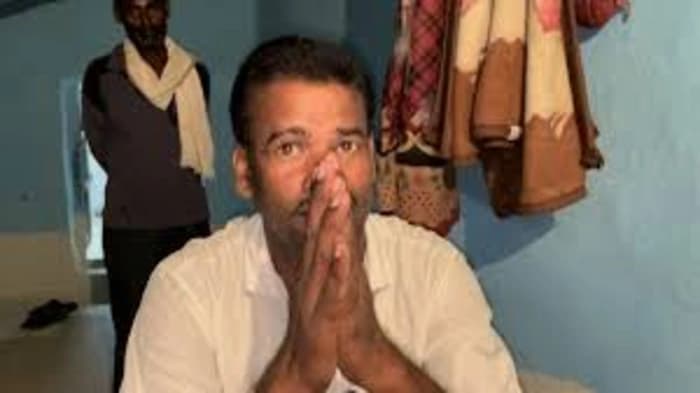
The recent assault on a Dalit man in Madhya Pradesh, where he was forcibly made to drink urine, has sparked outrage and brought renewed focus on caste-based violence and systemic discrimination, according to Mathrubhumi. The incident lays bare the persistent violations of dignity and fundamental rights faced by marginalised communities in India.
Case of Dalit Man Assaulted and Forced to Drink Urine in MP
In a disturbing episode reported from a village in Madhya Pradesh, a Dalit man was subjected to a humiliating and violent act by members of the dominant caste. This incident is not isolated but part of a wider pattern of caste-based atrocities that undermine social harmony and constitutional values.

Structural Discrimination and Link to Fundamental Rights and Dignity
Such acts of violence reflect deep-rooted structural discrimination entrenched in society, violating constitutional guarantees of equality, dignity, and non-discrimination. Despite legal safeguards, Dalits continue to face systemic barriers and social ostracism, perpetuating cycles of marginalisation.
This case raises urgent questions about the implementation of fundamental rights, and the need for sustained efforts to eradicate caste-based prejudices.
Role of Law Enforcement, Administration, and Social Reform
The response of local law enforcement and administrative authorities is critical in addressing such crimes. Timely investigation, strict prosecution, and protective measures for victims are essential to restore faith in the justice system.
Beyond policing, social reform and awareness programs are necessary to change mindsets and foster an inclusive society. Civil society and government must collaborate to strengthen mechanisms for the protection of marginalised groups.