India Wants Say for Developing Countries in Global Economy

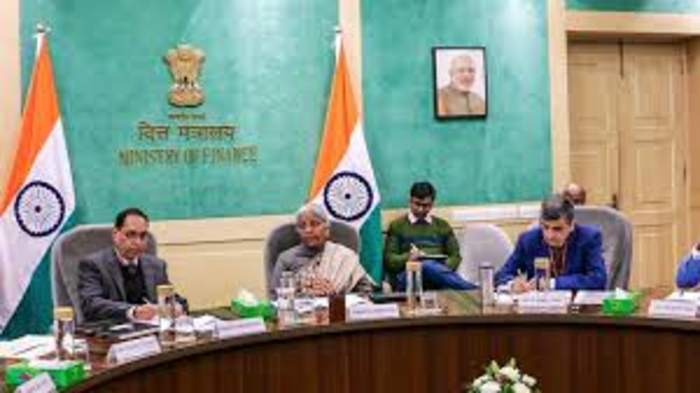
India says that global financial institutions like the International Monetary Fund (IMF) and the World Bank need to be reformed. This is because they do not show the state of the global economy. India wants representation for developing countries in global economic decisions.
Key Highlights:

* One of India’s demands is that countries in the Global South should have more voting power. Now rich countries have more say in institutions like the IMF and World Bank.
* India thinks that growing economies should have a say in financial policies. They help the global economy grow.
* India also wants economic governance. This means that all countries, poor ones should be considered when making decisions. They should get access to money and support for development.
* India wants lending practices to be transparent and responsible. There are worries about debt and the conditions of help given to poor countries.
* India supports reforms that help global financial institutions deal with challenges like climate change, pandemics and economic shocks.
Significance:
* India’s push for reform makes it a leader among developing countries.
* By supporting the Global South India becomes a voice for a fairer global economy.
* Reforming financial institutions can lead to better policymaking. More representation for developing countries means global economic strategies will help countries.
* Fair lending practices help prevent debt crises. Promote sustainable development.
India’s call for reform is, about making global governance fit the economy. By promoting fairness, transparency and equal representation India helps create an international financial system.

India’s Blue Economy Push Seeks to Balance Growth and Ocean Conservation

Supreme Court Seeks Panel to Curb Unethical Pharma Marketing Practices

NMC Tightens Rules on Doctors’ Digital Advertising and AI Use

Anthropic Launches Claude Haiku 5.5 as Its Fastest and Cheapest AI Model

Karnataka HC Replaces ‘Visitation’ with ‘Parenting Time’ in Child Custody Cases

Canadian author Anne Carson wins 2026 Nobel Prize in Literature for reshaping contemporary literary forms

AMU students’ protest enters third week as union election demand widens

DPDP Act Explained: What is India’s Digital Personal Data Protection Law and Why is it in the News?

IIT Bombay puts stricter cheating rules on hold, drafts new procedure for exam misconduct

Gujarat launches PARAKH Cell to shift school assessments toward competency-based learning

India’s Blue Economy Push Seeks to Balance Growth and Ocean Conservation

Supreme Court Seeks Panel to Curb Unethical Pharma Marketing Practices

NMC Tightens Rules on Doctors’ Digital Advertising and AI Use

Anthropic Launches Claude Haiku 5.5 as Its Fastest and Cheapest AI Model

Karnataka HC Replaces ‘Visitation’ with ‘Parenting Time’ in Child Custody Cases

Canadian author Anne Carson wins 2026 Nobel Prize in Literature for reshaping contemporary literary forms

AMU students’ protest enters third week as union election demand widens

DPDP Act Explained: What is India’s Digital Personal Data Protection Law and Why is it in the News?

IIT Bombay puts stricter cheating rules on hold, drafts new procedure for exam misconduct

Gujarat launches PARAKH Cell to shift school assessments toward competency-based learning
Copyright© educationpost.in 2024 All Rights Reserved.
Designed and Developed by @Pyndertech