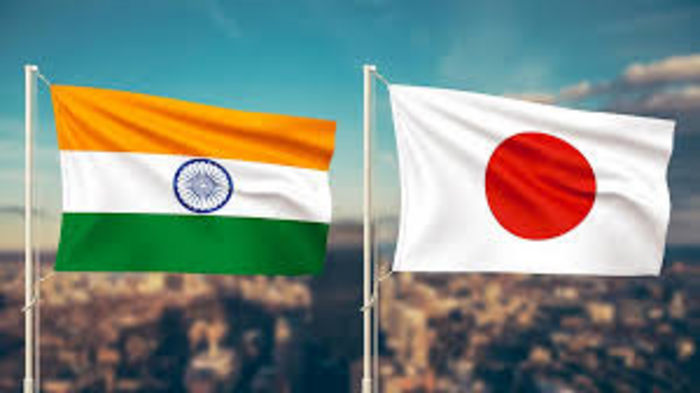
PacificIndia and Japan are working together closely on infrastructure and connections. This shows how strong their partnership is. This work is a part of how the two countries get along and fits with what they want to do in the Indo-Pacific.
Key Highlights:

One big thing India and Japan are working on is trains and industrial areas. For example the train line from Mumbai to Ahmedabad is a deal for Indias transportation. Japan is helping with technology and money. There is also a plan to make an area from Delhi to Mumbai to help make things move things around and develop the region.
India and Japan are also working on making sure infrastructure is good for the environment. Japan is helping India by giving them money and sharing their expertise. They are making sure projects are good for the environment use energy and are planned well.
They are not just working on things like roads and trains. They are also working on connections making cities smarter and improving how things move around. This will help things run smoothly cost less and help the economy grow.
Significance:
Working together on infrastructure is very important for India and Japan. It helps the economy grow makes it easier to trade and creates jobs. This is good for the country.
This partnership is also important for the Indo-Pacific region. India and Japan want the region to be free and open. They are working together to make this happen. They can offer a way to do things than other countries.
India is also learning from Japan. Getting better at making things. Japan is very good at making high-quality infrastructure. This helps India make projects that are good for the environment.
India and Japan working together on infrastructure shows how important it is to have partnerships. They are working on connections being kind to the environment and coming up with ideas. This helps keep the region stable and sets the stage for growth and development, in the run.