Who Are They?
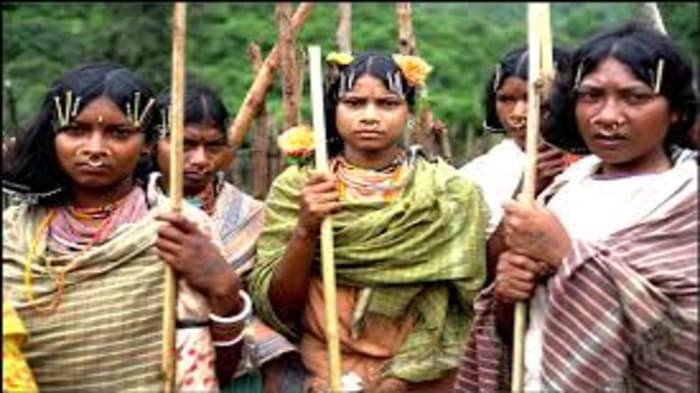
De-notified Tribes (DNTs): Communities that were previously categorized under the Criminal Tribes Act of 1871 by the British, labeled as “innately criminal.”

Nomadic Tribes (NTs): Communities engaging in seasonal or ongoing movement for sustenance (salt commerce, livestock husbandry, cultural performances).
Semi-Nomadic Tribes (SNTs): Engage in less frequent, shorter migrations than nomads.
Historical Context:
1871-1947: The Criminal Tribes Act identified around 200 groups as “criminal.”
1952: Law rescinded; communities formally “de-notified.”
2008: Renke Commission identified DNTs, emphasized severe marginalization.
2017: The Idate Commission recognized approximately 1,200 DNT/NT/SNT groups (many already included in SC/ST/OBC lists, with 269 unclassified).
Situational Update in India:
Population: Approximately 10% of India’s populace (~13 crore individuals).
Reach: 150 DNT groups, approximately 500 nomadic communities throughout states.
Cultural and Social Traits:
Abundant cultural customs, unique gods, celebrations, spoken literature, and conflict-resolution methods.
Typically traveled in clusters of 5–20 households; yearly gatherings held for reunions, weddings, livestock commerce.
Concerning the Development & Welfare Board for DNT/NT/SNT (DWBDNC):
What Is It?
Advisory and supportive entity within the Ministry of Social Justice & Empowerment for the advancement of DNT/NT/SNT groups.
Source:
Established on 21 February 2019 through a Gazette notice as a result of the Idate Commission's suggestions.
Aimed to serve as a substitute for a permanent commission to prevent duplication with SC/ST/OBC commissions.
Certainly, please provide the text you'd like me to paraphrase.
Chairperson: Secretary, Ministry of Social Justice and Empowerment (ex-officio).
Members: Two appointed members with three additional seats unfilled.
Additionally features representatives from the Ministry of Tribal Affairs, the Department of School Education, and officials from the Ministry of Social Justice.
Functions:
Policy Recommendation: Advocate for the legal acknowledgment and classification of DNT/NT/SNT communities.
Scheme Execution: Manage the SEED scheme, Dr. Ambedkar Pre/Post-Matric scholarships, hostel initiatives, and skill enhancement programs.
Complaint Resolution: Act as the central authority to tackle community concerns.
Data & Research: Conduct surveys, ensure a current database for data-driven policymaking.
Coordination: Collaborate with state authorities for community certification, land distribution, housing entitlements, and educational equality.