Following this year’s Diwali celebrations, the Delhi-NCR region has been engulfed in a severe air quality crisis, with hazardous pollution levels reported, according to a recent update from Mathrubhumi. The surge in toxic pollutants has raised alarms over public health risks and tested the effectiveness of existing governance mechanisms aimed at curbing festivity-linked pollution.
Report of Heavy Haze and Toxic Air Quality
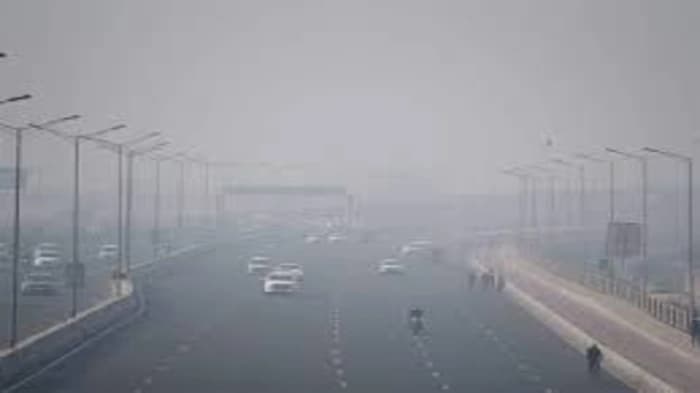
Post-Diwali, Delhi experienced a dramatic drop in air quality, with the Air Quality Index (AQI) registering in the “severe” category for several consecutive days. Residents reported dense smog reducing visibility and aggravating respiratory ailments, particularly among vulnerable groups such as children, elderly, and those with pre-existing conditions.

Causes: Firecrackers, Meteorology, and Regional Pollutant Movement
The spike in pollution is attributed primarily to widespread firecracker use during Diwali, which releases particulate matter (PM2.5 and PM10), sulfur dioxide, and nitrogen oxides. Meteorological conditions—such as low wind speeds, cooler temperatures, and temperature inversion layers—have trapped pollutants close to the ground.
Additionally, transboundary pollution from neighbouring states’ crop residue burning contributes to the smog, compounding the crisis and highlighting the regional nature of air quality management.
Policy Response: Regulatory Measures and Long-Term Mitigation
Authorities have responded with emergency measures, including temporary bans on firecracker sales, increased air quality monitoring, and advisories urging residents to limit outdoor activities. Early warning systems and real-time data dissemination have helped raise awareness.
However, experts emphasize that long-term solutions require coordinated regional action, promotion of clean energy, improved public transport, and stricter enforcement of pollution norms. Investments in green infrastructure and sustainable urban planning remain critical to prevent recurring crises.