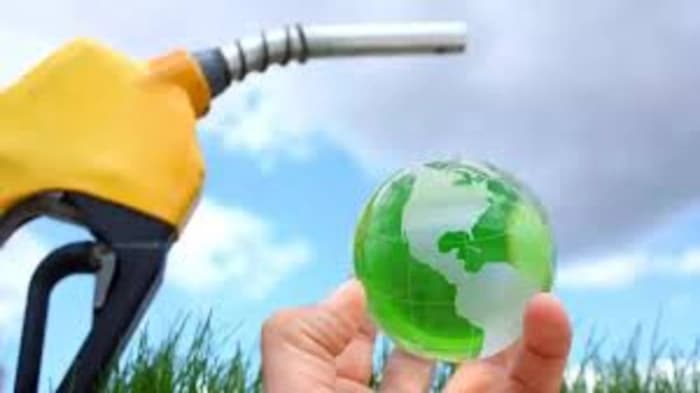
The government emphasizes key advantages such as decreased oil imports, improved farmer earnings, and reduced carbon dioxide emissions. Nonetheless, worries persist about customer discontent related to decreased mileage, concerns over agricultural sustainability, and other matters

Regarding EBP
Inaugurated: Pilot program initiated in 2003; broadened under the National Policy on Biofuels (2018).

Objective: Reach 20% ethanol blend (E20) by 2030, accomplished in 2025.
Ministry: Ministry of Oil and Natural Resources
Goals:
Decrease India's significant dependence (~85%) on crude oil imports.
Ensure reliable markets and enhance farmers' incomes.
Reduce greenhouse gas emissions by replacing fossil fuels.
Raw materials: Sugarcane (juice and molasses), rice, corn/maize, spoiled food grains.
Main Issues
Consumer Concerns:
Reduced Mileage: A LocalCircles survey indicated that 67% of petrol vehicle owners rejected E20, highlighting decreased fuel efficiency and higher maintenance expenses.
Restricted Price Advantage: In spite of a 65% drop in worldwide crude oil prices since 2022-23, petrol prices have decreased by just around 2%, leading to skepticism regarding the cost savings transferred to consumers.
Sustainability in Agriculture:
Water-Intensive Crop: Sugarcane requires 60–70 tonnes of water for each tonne produced, leading to groundwater depletion, especially in Maharashtra and Uttar Pradesh.
Land Degradation: Approximately 30% of India’s territory is degraded, in part because of unsustainable farming methods.
Food vs. Fuel Issue: The shift of rice and corn for ethanol production (34% of corn yield allocated for ethanol in 2024–25, coupled with a record allocation for rice) has resulted in higher corn imports, impacting food security.
Path Ahead
Vary Feedstock: Move from sugarcane to other sources like maize, bamboo, and agricultural byproducts to minimize environmental effects.
Consumer Protection: Introduce tax benefits or reimbursements as suggested by NITI Aayog to tackle issues related to decreased fuel efficiency.

India’s Blue Economy Push Seeks to Balance Growth and Ocean Conservation

Supreme Court Seeks Panel to Curb Unethical Pharma Marketing Practices

NMC Tightens Rules on Doctors’ Digital Advertising and AI Use

Anthropic Launches Claude Haiku 5.5 as Its Fastest and Cheapest AI Model

Karnataka HC Replaces ‘Visitation’ with ‘Parenting Time’ in Child Custody Cases

Canadian author Anne Carson wins 2026 Nobel Prize in Literature for reshaping contemporary literary forms

AMU students’ protest enters third week as union election demand widens

DPDP Act Explained: What is India’s Digital Personal Data Protection Law and Why is it in the News?

IIT Bombay puts stricter cheating rules on hold, drafts new procedure for exam misconduct

Gujarat launches PARAKH Cell to shift school assessments toward competency-based learning

India’s Blue Economy Push Seeks to Balance Growth and Ocean Conservation

Supreme Court Seeks Panel to Curb Unethical Pharma Marketing Practices

NMC Tightens Rules on Doctors’ Digital Advertising and AI Use

Anthropic Launches Claude Haiku 5.5 as Its Fastest and Cheapest AI Model

Karnataka HC Replaces ‘Visitation’ with ‘Parenting Time’ in Child Custody Cases

Canadian author Anne Carson wins 2026 Nobel Prize in Literature for reshaping contemporary literary forms

AMU students’ protest enters third week as union election demand widens

DPDP Act Explained: What is India’s Digital Personal Data Protection Law and Why is it in the News?

IIT Bombay puts stricter cheating rules on hold, drafts new procedure for exam misconduct

Gujarat launches PARAKH Cell to shift school assessments toward competency-based learning
Copyright© educationpost.in 2024 All Rights Reserved.
Designed and Developed by @Pyndertech