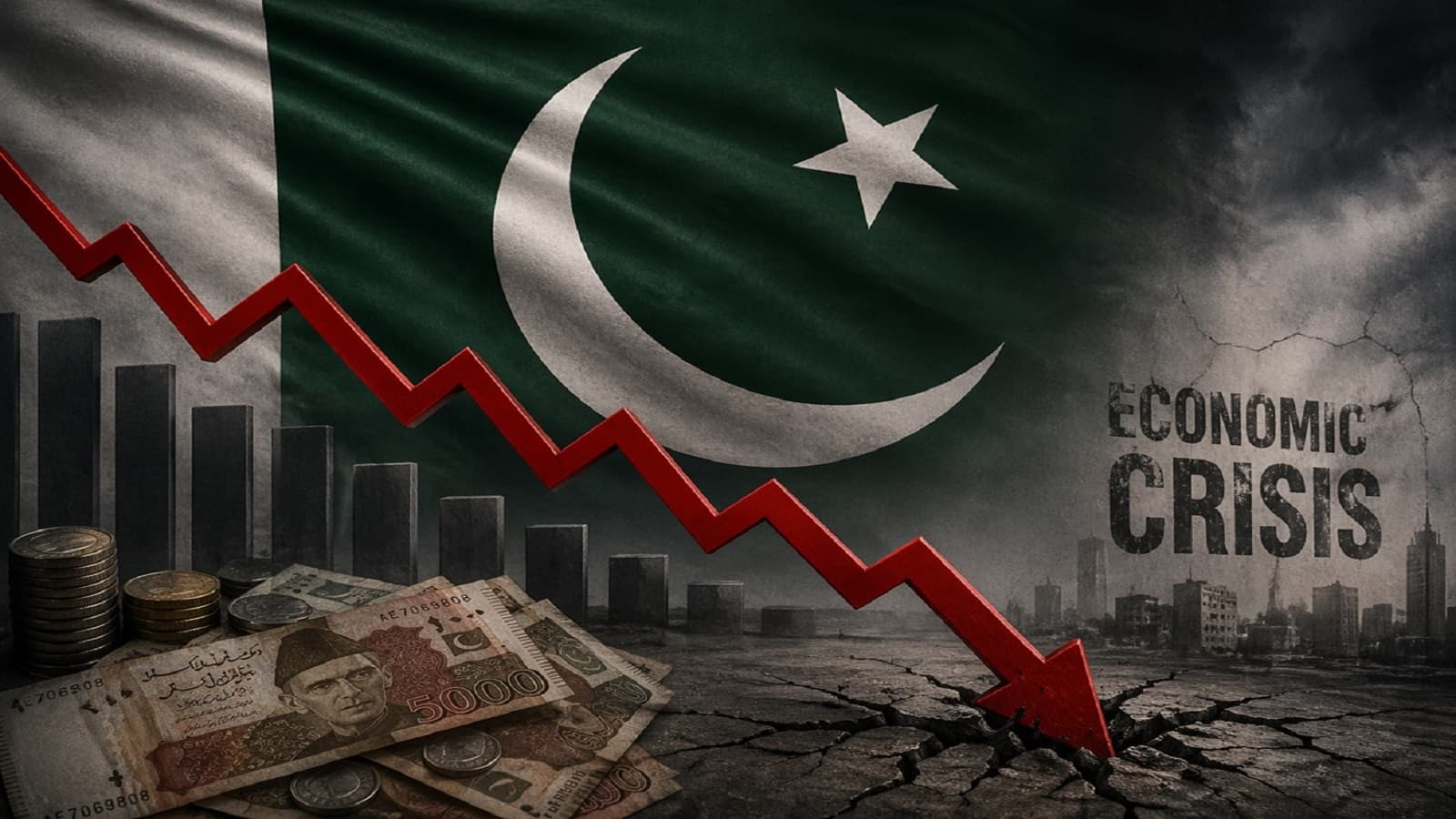
Pakistan's federal government debt has surged by 75 per cent over the past four years despite a sharp rise in revenues and repeated fiscal tightening measures under International Monetary Fund (IMF)-backed programmes, a report has said. A report by The Express Tribune -- citing the State Bank of Pakistan (SBP) -- said the federal government's debt, excluding IMF borrowings and certain other liabilities held on the central bank's balance sheet, rose to Rs 83.6 trillion by the end of June 2026.
It further showed that the debt stock increased by Rs 35.8 trillion (Pakistani rupee) compared with June 2022, when the Pakistan Democratic Movement-led government presented its first budget after assuming power. Moreover, federal debt grew by Rs 5.8 trillion or 7.3 per cent during the last fiscal year alone. The sharp increase has occurred despite a 107 per cent jump in the federal government's gross revenues over the four-year period.

However, rising debt-servicing costs, continued fiscal deficits and elevated government expenditure have eroded the benefits of stronger revenues, the report said. Interest payments alone consume between 42 per cent and 50 per cent of the annual budget, leaving limited fiscal space for development and productive sectors of the economy, it said.
For the current fiscal year, more than Rs 8 trillion has been allocated for debt servicing, while another Rs 8.8 trillion is earmarked for transfers to provinces under the National Finance Commission arrangement. In addition, domestic debt rose 9.1 per cent year-on-year to Rs 59.5 trillion in June this year, while external debt increased to Rs 24.2 trillion. The growing reliance on debt and persistently high financing needs have intensified concerns over Pakistan's long-term fiscal and debt sustainability, the report added.
Disclaimer: "This story has been published from a syndicated news feed. Only the headline and subtitle have been edited by EPN."