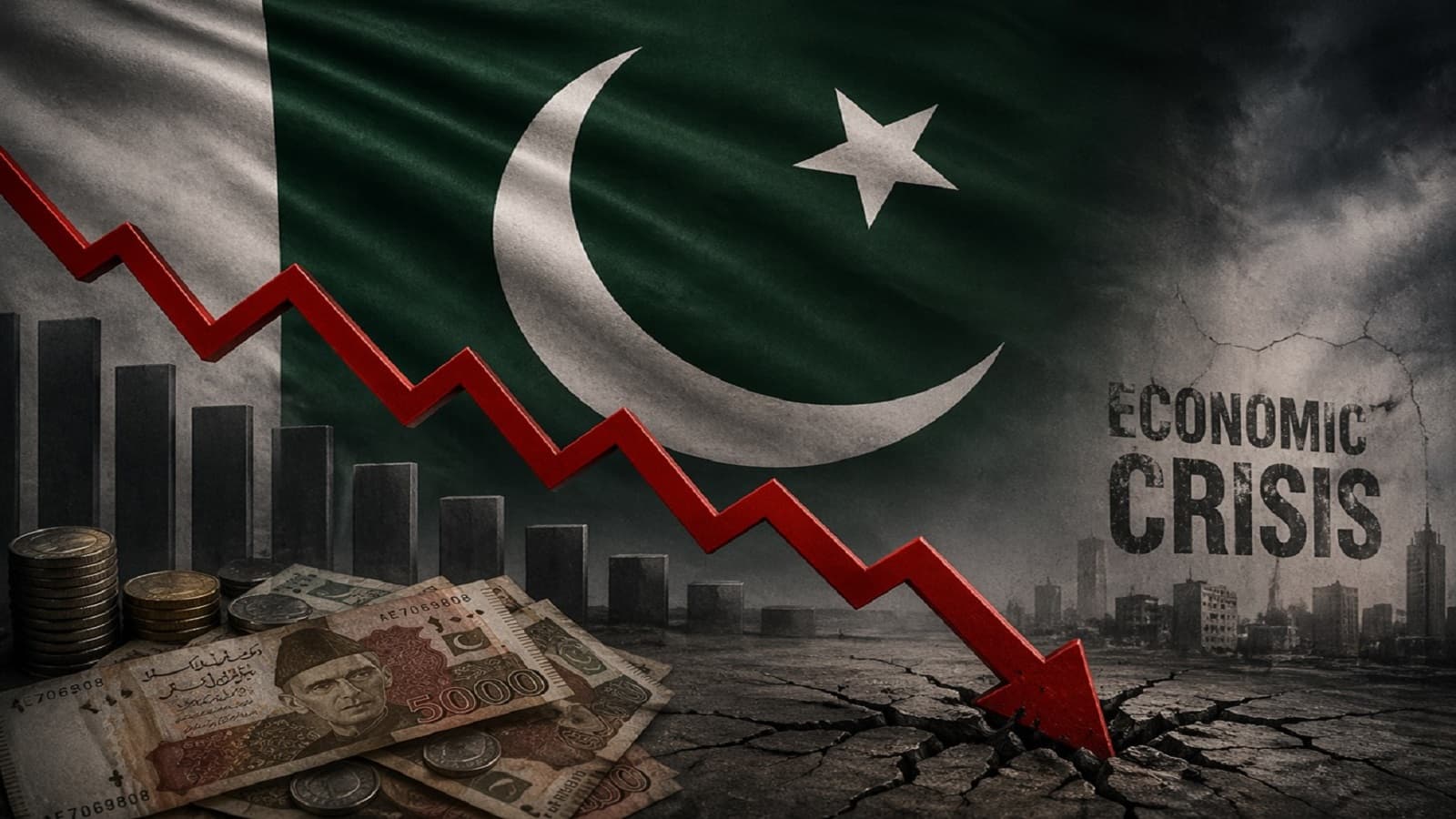
Pakistan’s combined gas and power sector circular debt rose to Rs 5.286 trillion by June 2026 from Rs 5.206 trillion earlier, according to a report citing official sources.

Pakistan's energy sector circular debt increased to nearly Rs 5.29 trillion by the end of June 2026, up from Rs 5.21 trillion previously, according to a report. A report published in The Nation -- citing official sources -- said combined circular debt in the gas and power sectors reached Rs 5.286 trillion (Pakistani rupee) by June 2026, compared with Rs 5.206 trillion earlier. Circular debt in the gas sector rose to Rs 3.611 trillion from Rs 3.442 trillion at the beginning of calendar year 2026, it added.
"The gas sector circular debt includes Rs 1.839 trillion of principal amount, while the remaining is late payment surcharges, the source maintained," the report said. It further noted that the power sector's circular debt stood at Rs 1.675 trillion as of June 2026 and estimates contained in the International Monetary Fund's third review under the Extended Fund Facility (EFF) and second review under the Resilience and Sustainability Facility (RSF) had placed Pakistan's power sector circular debt at Rs 1.764 trillion in early 2026, while gas sector circular debt was estimated at Rs 3.442 trillion.

Circular debt remains one of the key challenges facing Pakistan's energy sector, reflecting accumulated payment obligations across the power and gas supply chains. Separately, another report showed the country's federal government debt has surged by 75 per cent over the past four years. Citing the State Bank of Pakistan (SBP) the report said the federal government's debt, excluding IMF borrowings and certain other liabilities held on the central bank's balance sheet, rose to Rs 83.6 trillion by the end of June 2026. It further showed that the debt stock increased by Rs 35.8 trillion compared with June 2022.
Disclaimer: "This story has been published from a syndicated news feed. Only the headline and subtitle have been edited by EPN."

India’s Blue Economy Push Seeks to Balance Growth and Ocean Conservation

Supreme Court Seeks Panel to Curb Unethical Pharma Marketing Practices

NMC Tightens Rules on Doctors’ Digital Advertising and AI Use

Anthropic Launches Claude Haiku 5.5 as Its Fastest and Cheapest AI Model

Karnataka HC Replaces ‘Visitation’ with ‘Parenting Time’ in Child Custody Cases

Canadian author Anne Carson wins 2026 Nobel Prize in Literature for reshaping contemporary literary forms

AMU students’ protest enters third week as union election demand widens

DPDP Act Explained: What is India’s Digital Personal Data Protection Law and Why is it in the News?

IIT Bombay puts stricter cheating rules on hold, drafts new procedure for exam misconduct

Gujarat launches PARAKH Cell to shift school assessments toward competency-based learning

India’s Blue Economy Push Seeks to Balance Growth and Ocean Conservation

Supreme Court Seeks Panel to Curb Unethical Pharma Marketing Practices

NMC Tightens Rules on Doctors’ Digital Advertising and AI Use

Anthropic Launches Claude Haiku 5.5 as Its Fastest and Cheapest AI Model

Karnataka HC Replaces ‘Visitation’ with ‘Parenting Time’ in Child Custody Cases

Canadian author Anne Carson wins 2026 Nobel Prize in Literature for reshaping contemporary literary forms

AMU students’ protest enters third week as union election demand widens

DPDP Act Explained: What is India’s Digital Personal Data Protection Law and Why is it in the News?

IIT Bombay puts stricter cheating rules on hold, drafts new procedure for exam misconduct

Gujarat launches PARAKH Cell to shift school assessments toward competency-based learning
Copyright© educationpost.in 2024 All Rights Reserved.
Designed and Developed by @Pyndertech