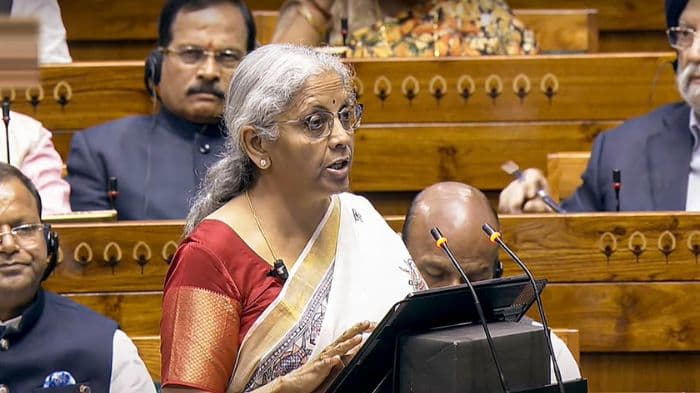
Finance Minister Nirmala Sitharaman on March 30 said the Insolvency and Bankruptcy Code (IBC) has been a “very crucial factor” in improving the health of India’s banking sector, particularly in recovering non-performing assets (NPAs).
Speaking in the Lok Sabha while piloting amendments to the IBC, Sitharaman underlined the role of the law in strengthening the financial system since its implementation in 2016. She said the Code has significantly contributed to resolving stressed assets and improving the balance sheets of banks.

The minister noted that more than half of the NPAs have been recovered through the insolvency resolution process under the IBC, marking a major shift in how bad loans are handled in the country.
Highlighting the broader impact of the law, Sitharaman said companies undergoing insolvency resolution have shown improvement in performance and corporate governance after restructuring.
The remarks came as she responded to discussions on the Insolvency and Bankruptcy Code (Amendment) Bill, 2025, which seeks to further streamline the resolution process and address delays. The proposed amendments include measures to reduce the time taken for admitting insolvency applications and improving overall efficiency of the framework.
The IBC, enacted in 2016, was introduced to consolidate and amend laws related to insolvency resolution for companies, individuals and partnership firms in a time-bound manner. Since then, it has undergone multiple amendments to strengthen its implementation and address emerging challenges.
Officials said the latest amendments are aimed at building on the gains achieved so far, while ensuring faster resolution of distressed assets and better outcomes for lenders.
The government has maintained that the IBC remains a key pillar of its financial sector reforms, contributing to improved credit discipline and a more robust banking ecosystem.
The development comes amid continued efforts to enhance ease of doing business and ensure stability in the financial system through legal and institutional reforms.