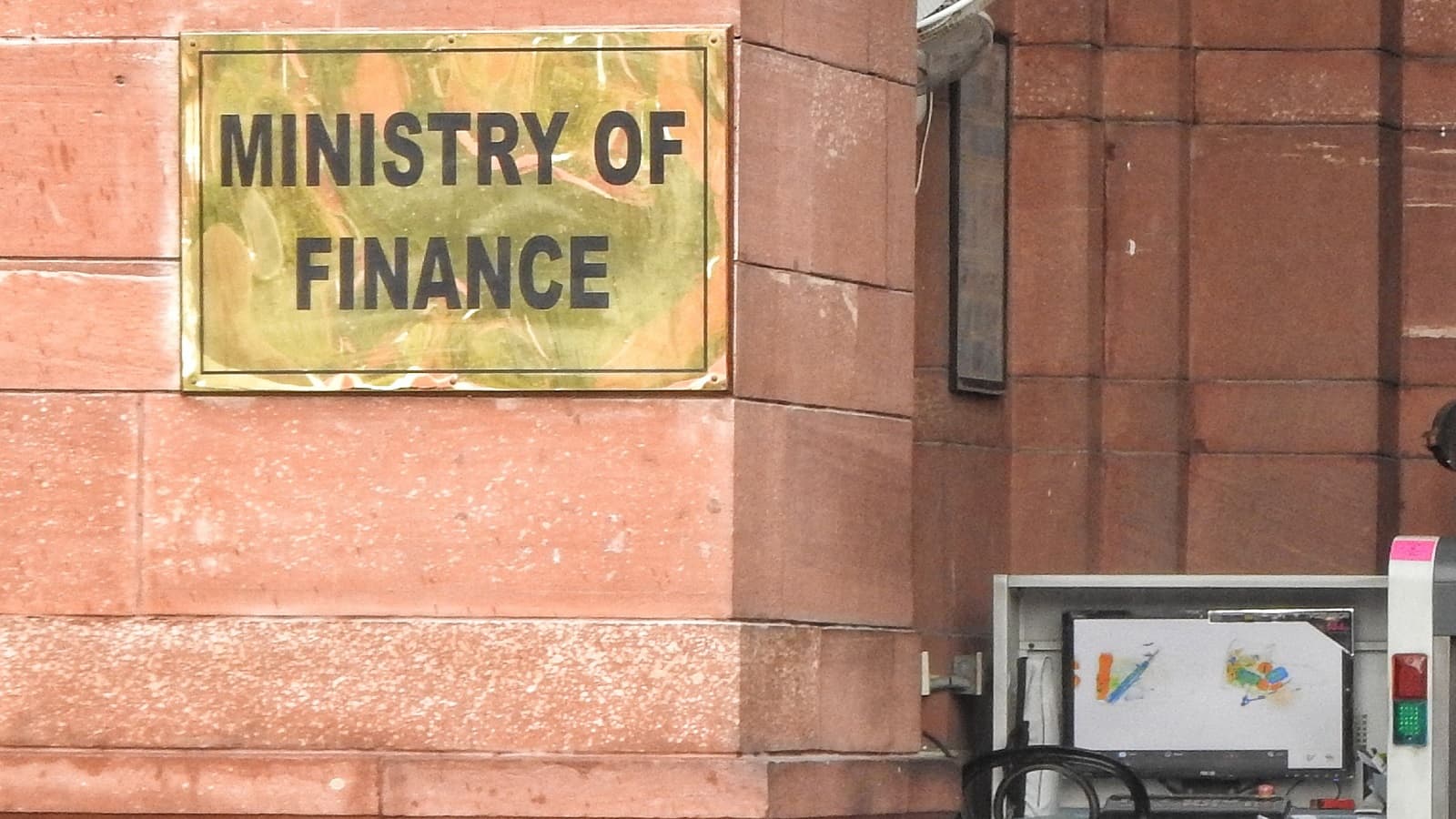
India's Financial Intelligence Unit (FIU) has issued notices to 15 virtual digital asset service providers for non-compliance with the country's anti-money laundering law, an official statement said on Wednesday. According to the Finance Ministry, the notices were issued by the Director of FIU-India as part of compliance action against entities operating without meeting the required obligations. The platforms named by the ministry include Weex, Blofin, Rezorex, Bitunix, DigiFinex, Toobit, XT.com, Latoken, WOO X, Pionex, ChangeNow, SimpleSwap, FixedFloat, WhiteBIT and Guardarian.
The FIU director has also issued notices, in his capacity as the nodal officer under India's information technology law, seeking the takedown of applications and URLs associated with the 15 entities from public access, the ministry said. The platforms were found to be operating illegally without complying with relevant provisions of the PMLA in India, it added. In addition, virtual digital asset service providers were brought under India's anti-money laundering and counter-financing of terrorism framework in March 2023.

VDA service providers operating in India, whether offshore or domestic are required to register with FIU-India as reporting entities if they undertake activities such as exchanging virtual digital assets for fiat currencies, transferring digital assets or providing custody or administration services.
The ministry said these obligations are activity based and apply irrespective of whether the entity has a physical presence in India. Moreover, registered VDA service providers are required to comply with reporting, record-keeping and other obligations under the PMLA and rules framed under the law. Apart from that, the finance ministry also cautioned the public that crypto products and non-fungible tokens (NFTs) are unregulated and can be highly risky. "There may be no regulatory recourse for any loss from such transactions," the ministry said.
Disclaimer: "This story has been published from a syndicated news feed. Only the headline and subtitle have been edited by EPN."