India’s banking deposits hit a record ₹269.4 lakh crore by July 31 as RBI’s FCNR measures drive nearly $41 billion in foreign-currency inflows

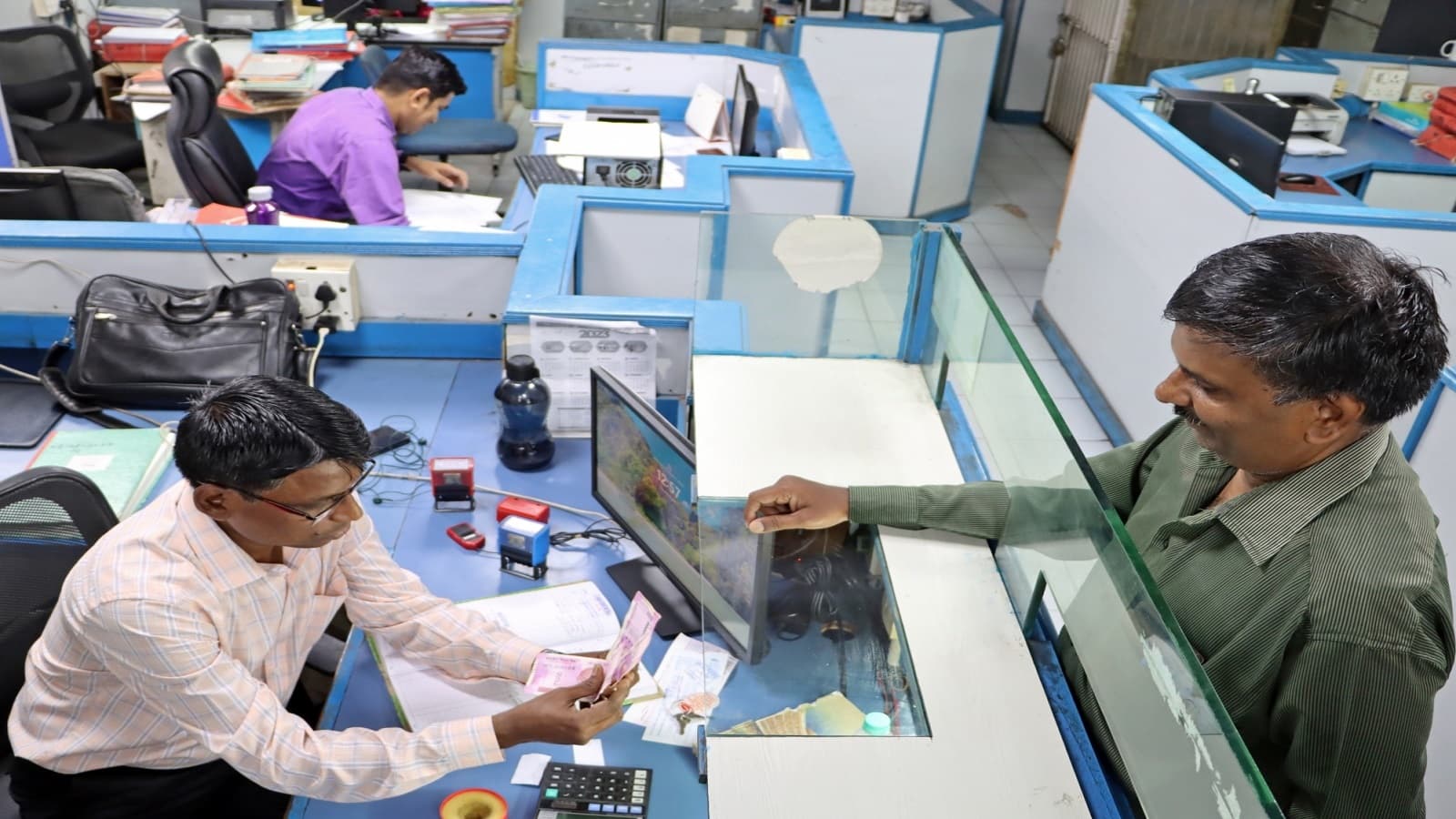
Deposits in India's banking system have accelerated sharply over the past three fortnights and rose to a record high, helped largely by the conversion of foreign-currency inflows mobilised under the Reserve Bank of India's (RBI) special deposit schemes, as per multiple reports. Reports showed that banking system deposits increased by a cumulative Rs 11 lakh crore over the three fortnights ended July 31. This follows a net decline of Rs 3.87 lakh crore in deposits between April 1 and June 15.
The turnaround comes after the RBI in June unveiled concessional swap windows for foreign currency non-resident (FCNR) deposits and encouraged banks and state-owned entities to tap cheaper overseas funding sources. The measures have attracted inflows of nearly $41 billion by the end of July, RBI data showed. "The conversion of dollars into rupees has gained pace, which is the major reason for the recent boost in deposits," the report said, citing a trader at a state-run bank.

As a result, total deposits in the banking system rose to a record Rs 269.4 lakh crore as of July 31, an increase of Rs 7.1 lakh crore in the first four months of the current financial year. The strong deposit accretion comes as lenders seek to narrow the gap between credit growth and deposit growth, a key concern for the banking system over the past year. Higher deposit growth is expected to provide banks with additional funding flexibility and support lending activity without putting further pressure on deposit rates, dealers said. Separately, a report noted that FCNR(B) inflows and related measures from the RBI are expected to generate $90–95 billion of capital inflows in FY27.
Disclaimer: "This story has been published from a syndicated news feed. Only the headline and subtitle have been edited by EPN."

India’s Blue Economy Push Seeks to Balance Growth and Ocean Conservation

Supreme Court Seeks Panel to Curb Unethical Pharma Marketing Practices

NMC Tightens Rules on Doctors’ Digital Advertising and AI Use

Anthropic Launches Claude Haiku 5.5 as Its Fastest and Cheapest AI Model

Karnataka HC Replaces ‘Visitation’ with ‘Parenting Time’ in Child Custody Cases

Canadian author Anne Carson wins 2026 Nobel Prize in Literature for reshaping contemporary literary forms

AMU students’ protest enters third week as union election demand widens

DPDP Act Explained: What is India’s Digital Personal Data Protection Law and Why is it in the News?

IIT Bombay puts stricter cheating rules on hold, drafts new procedure for exam misconduct

Gujarat launches PARAKH Cell to shift school assessments toward competency-based learning

India’s Blue Economy Push Seeks to Balance Growth and Ocean Conservation

Supreme Court Seeks Panel to Curb Unethical Pharma Marketing Practices

NMC Tightens Rules on Doctors’ Digital Advertising and AI Use

Anthropic Launches Claude Haiku 5.5 as Its Fastest and Cheapest AI Model

Karnataka HC Replaces ‘Visitation’ with ‘Parenting Time’ in Child Custody Cases

Canadian author Anne Carson wins 2026 Nobel Prize in Literature for reshaping contemporary literary forms

AMU students’ protest enters third week as union election demand widens

DPDP Act Explained: What is India’s Digital Personal Data Protection Law and Why is it in the News?

IIT Bombay puts stricter cheating rules on hold, drafts new procedure for exam misconduct

Gujarat launches PARAKH Cell to shift school assessments toward competency-based learning
Copyright© educationpost.in 2024 All Rights Reserved.
Designed and Developed by @Pyndertech