


Tehran is expected to send its reply through Pakistan amid rising tensions over the Strait of Hormuz, while global markets remain on edge over fears of further escalation.
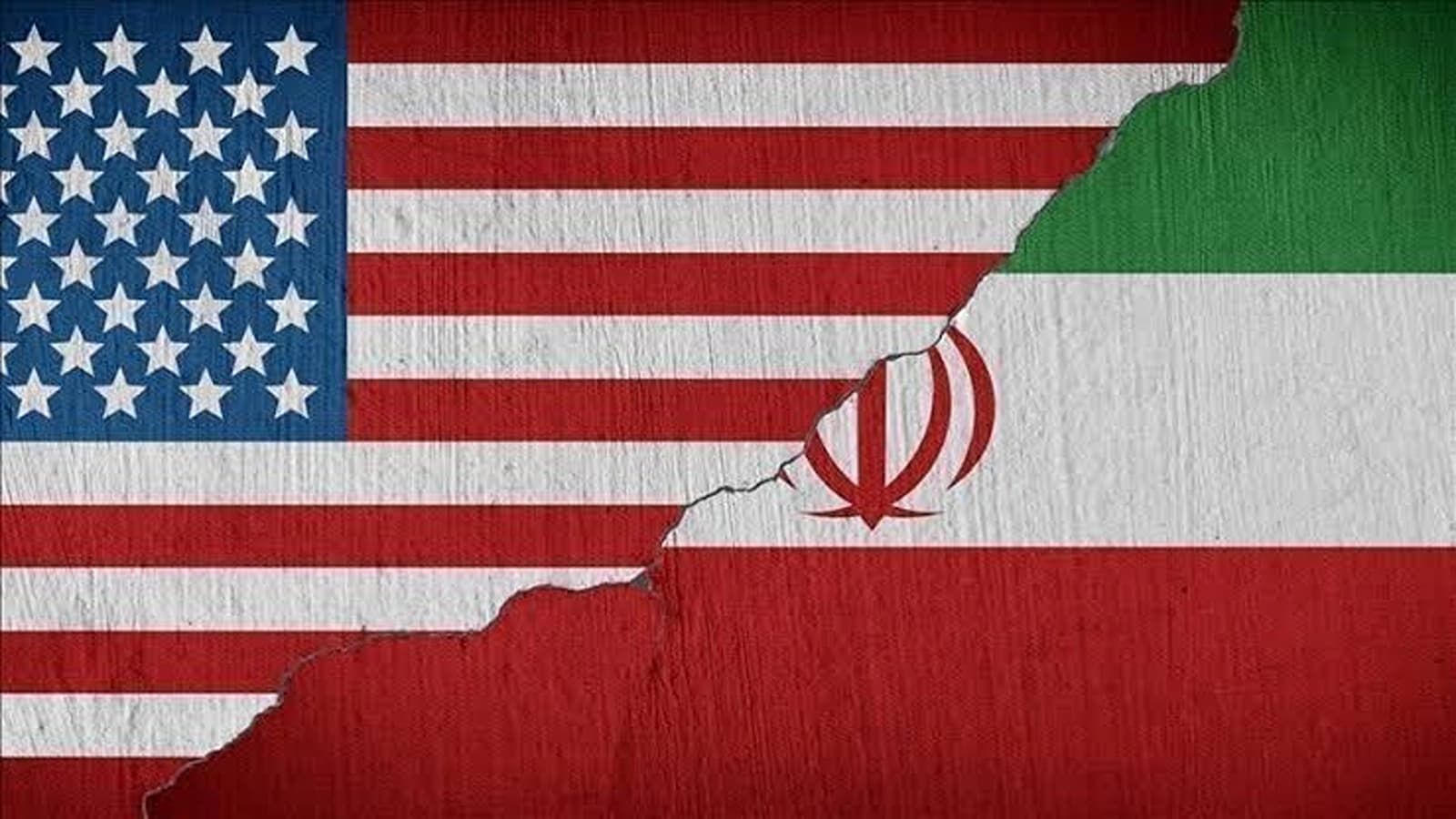
Representational Image
The world remained on edge Thursday as the United States awaited Iran’s formal response to a fresh American proposal aimed at ending months of military confrontation and restoring stability in the strategically crucial Strait of Hormuz.
Diplomatic activity intensified behind closed doors after senior officials from both Washington and Tehran issued conflicting public statements, fueling uncertainty over whether the two sides were moving toward de-escalation or preparing for another round of conflict.

Iranian Foreign Ministry spokesperson Esmail Baghaei said Tehran was reviewing the latest U.S. communication and would deliver its response through Pakistan, which has emerged as a key intermediary in the negotiations.
“The exchange of messages through the Pakistani intermediary is ongoing, and reviews of the exchanged texts are continuing,” Baghaei told Iran’s state broadcaster IRIB.
However, signs of disagreement within Iran’s establishment quickly surfaced. Earlier Wednesday, another Iranian official reportedly dismissed the American proposal as merely a “list of American wishes,” indicating resistance within Tehran over the terms being discussed.
The developments come as the conflict between the United States and Iran enters its third month, triggering severe disruptions across global energy and shipping markets. The crisis escalated after Iran and the U.S. imposed rival maritime restrictions around the Strait of Hormuz following the outbreak of hostilities in late February.
The narrow waterway, located between Iran and Oman, is one of the world’s most important oil transit chokepoints. Roughly 20 percent of global crude oil supplies normally pass through the strait, making any disruption a major threat to international trade and energy security.
The prolonged tensions have already caused significant volatility in oil prices, disrupted shipping schedules, increased freight insurance costs, and strained supply chains worldwide. Analysts say industries ranging from aviation to manufacturing are closely monitoring the negotiations, fearing another escalation could trigger a fresh global energy shock.
US President Donald Trump struck a cautiously optimistic tone on Wednesday, saying Washington had held “very good talks” with Iran.
“We’re in good shape, and now we’re doing well, and we have to get what we have to get,” Trump told reporters.
But his comments were accompanied by renewed threats of military action. Earlier in the day, Trump warned Iran that the United States was prepared to restart attacks “at a much higher level and intensity” if Tehran backed away from what he described as apparent concessions during negotiations.
The White House has not publicly disclosed the contents of the latest proposal, and Tehran has similarly refrained from revealing details of the discussions.
The uncertainty deepened after Trump unexpectedly paused a recently launched U.S. military initiative intended to safeguard commercial vessels in the Strait of Hormuz. The administration cited “great progress” in diplomatic talks as the reason for halting the operation, though no formal agreement has yet been announced.
Despite the diplomatic signals, military tensions remain high in the Gulf region.
According to U.S. Central Command, an American Navy fighter jet disabled an Iranian-flagged oil tanker Wednesday after it allegedly attempted to breach the American maritime blockade on Iranian ports. Officials said an F/A-18 Super Hornet targeted the vessel’s rudder, leaving the tanker unable to continue its journey toward Iran.
The incident marked another flashpoint in the already volatile standoff and highlighted the fragile nature of the current cease-fire.
Global investors reacted cautiously to the latest developments. International oil prices showed limited movement Thursday as markets struggled to interpret the mixed messages coming from Washington and Tehran. Energy analysts said traders remain skeptical until a concrete agreement is finalized.
Diplomatic observers say Pakistan’s role as a mediator has become increasingly significant as direct communication channels between the two rivals remain limited. Islamabad has maintained ties with both Washington and Tehran and has repeatedly called for regional de-escalation.
With no official breakthrough yet announced, governments, businesses and energy markets across the globe remain in a waiting game over whether diplomacy can prevent another dangerous escalation in the Gulf.

Learning, earning, research, innovation and building must all come together
NMMSS Scholarship 2026-27: Application Deadline Extended to October 31, Check Eligibility and Apply Online

Delhi Class 12 student wins IOAA gold while preparing for JEE

US probes nine universities over J-1 visas, halts PERM processing for eight firms

NLSIU Bengaluru announces NLSAT 2027 date for BA, LLB, MPP and PhD admissions
US probes nine universities over J-1 visas, halts PERM processing for eight firms
.jpg&w=256&q=75)
Regional universities face international student slump as visa refusals and political rhetoric deter applicants

AI may lift homework scores but weaken real learning, World Development Report raises concerns
Ken Griffin’s record $3 billion gift to Carnegie Mellon to fuel new Miami campus

Michael Jordan pledges $10 million to UNC social work school in mother’s honour

Learning, earning, research, innovation and building must all come together
NMMSS Scholarship 2026-27: Application Deadline Extended to October 31, Check Eligibility and Apply Online
Delhi Class 12 student wins IOAA gold while preparing for JEE
US probes nine universities over J-1 visas, halts PERM processing for eight firms
NLSIU Bengaluru announces NLSAT 2027 date for BA, LLB, MPP and PhD admissions
US probes nine universities over J-1 visas, halts PERM processing for eight firms
Regional universities face international student slump as visa refusals and political rhetoric deter applicants
AI may lift homework scores but weaken real learning, World Development Report raises concerns
Ken Griffin’s record $3 billion gift to Carnegie Mellon to fuel new Miami campus
Michael Jordan pledges $10 million to UNC social work school in mother’s honour
Copyright© educationpost.in 2026 All Rights Reserved.