Israel, Hezbollah 'close to 60-day ceasefire' deal after over a year of war, say sources
After more than 3,700 deaths, efforts to end the hostilities have gained momentum even as fierce fighting continues, with Lebanon reporting at least 31 killed in Israeli airstrikes.
EPN Desk26 November 2024 06:18
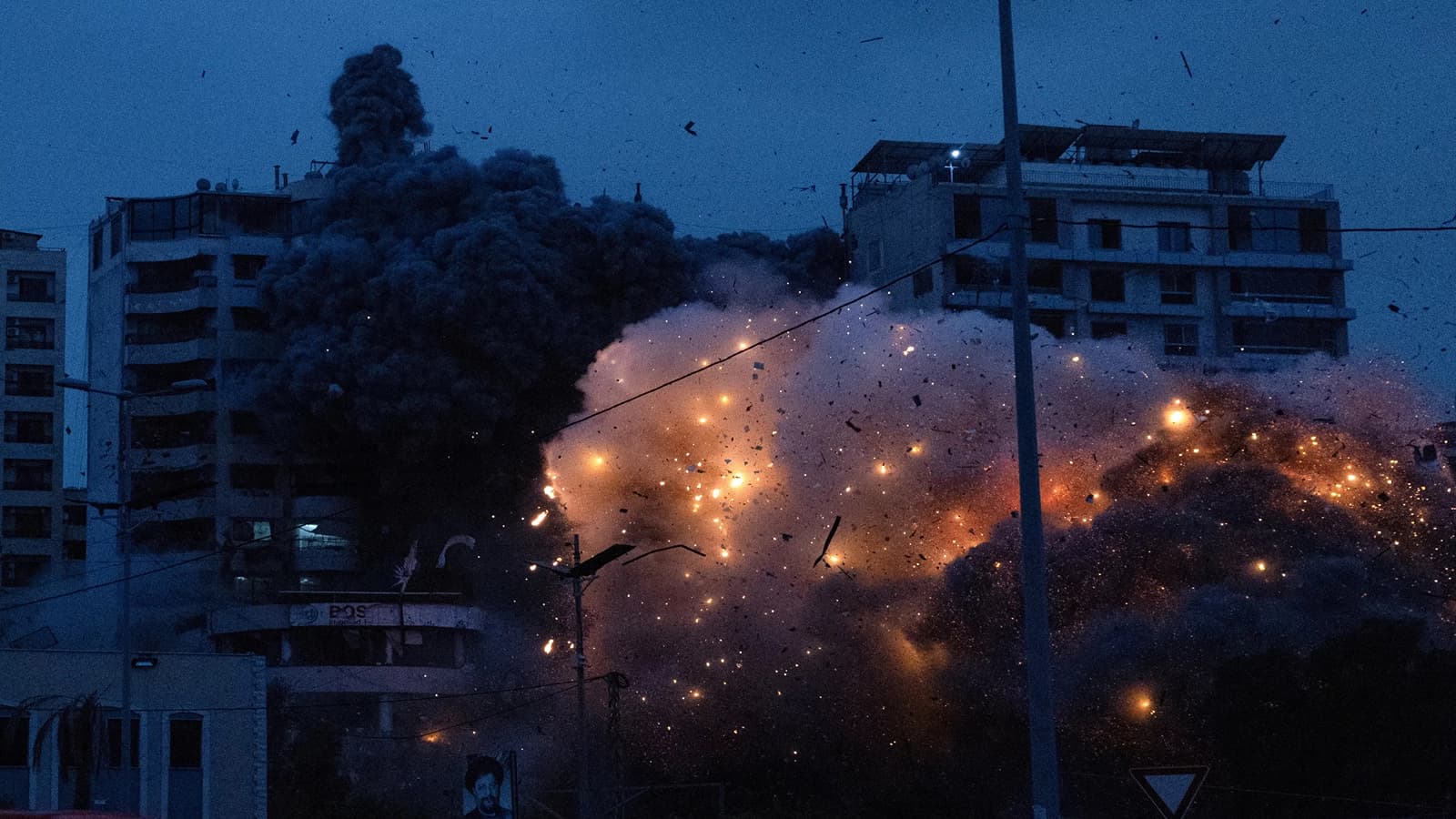
An Israeli strike hit a building in Beirut's Chiyah district on November 25, 2024, amid ongoing hostilities with Hezbollah.(Credit: Reuters)
The Israeli Cabinet is expected to vote Nov 26 on a proposed ceasefire agreement with Lebanon, following a year of intense conflict with Hezbollah that has claimed more than 3,700 lives.
Reports suggest that Prime Minister Benjamin Netanyahu has given his preliminary approval to the plan following consultations with key security officials.
The proposed deal aims to bring an end to hostilities between Israel and Hezbollah, which have caused widespread devastation and loss of life.
The Cabinet meeting, scheduled for Nov 26 evening, comes as international efforts to mediate peace intensify. The United States, European Union, and United Nations have been at the forefront of urging both sides to agree to a truce.
The proposed agreement, if approved, could pave the way for a temporary halt to the violence, offering a much-needed reprieve for civilians caught in the crossfire.
Former War Cabinet member Benny Gantz, who resigned in June over his dissatisfaction with Netanyahu’s handling of the Gaza conflict, has called for greater transparency.
Gantz emphasized the need for public disclosure of the ceasefire’s details, arguing that Israeli citizens and military personnel have a right to know the specifics.
In a post on X (formerly twitter), he appealed to Netanyahu to “present the agreement” without delay. "Netanyahu, present the agreement. It is the right of the residents of the north, the fighters, and the citizens of Israel to know," he wrote in the post.
The terms of the proposed ceasefire include a two-month truce during which Israeli forces would withdraw from southern Lebanon.
In return, Hezbollah would retreat beyond the Litani River, creating a buffer zone of more than 28 kilometers from Israel’s border.
This phased withdrawal is expected to reduce tensions and minimize the risk of further escalation.
The United States has expressed optimism about the progress in negotiations. John Kirby, spokesperson for the US National Security Council, stated, “We believe we are very close to achieving a resolution.”
The US has been vocal about the need for an end to hostilities and has worked tirelessly to facilitate dialogue between the parties involved. However, the road to peace has not been without challenges.
Earlier this month, Qatar withdrew as a mediator in the broader Israel-Hamas negotiations and warned Hamas that its Doha office was no longer viable. This shift underscores the complexity of achieving lasting peace in a region marked by deep-seated animosities.
Meanwhile, Iran’s Supreme Leader Ayatollah Ali Khamenei has criticized the International Criminal Court’s recent arrest warrant for Netanyahu, suggesting it is insufficient. Khamenei went as far as calling for a “death sentence” for the Israeli leader, adding another layer of tension to the already fraught situation.
The conflict, which began on Oct 7 last year, was sparked by Hezbollah’s attacks on Israeli-controlled territories in solidarity with Hamas and Palestinians in Gaza. Since then, both sides have engaged in a series of retaliatory strikes, with heavy exchanges of fire becoming a near-daily occurrence.
Despite the ongoing ceasefire talks, violence continues to escalate. On Sunday, Hezbollah launched approximately 250 rockets into Israel in one of its most intense barrages in months.
In response, Israeli forces targeted dozens of Hezbollah positions across Lebanon, further exacerbating the humanitarian crisis.
The toll of the conflict has been staggering. According to Lebanon’s health ministry, over 3,700 people have lost their lives since the fighting began.




.jfif&w=256&q=75)



.jpg&w=256&q=75)
.jpg&w=256&q=75)
.webp&w=256&q=75)
.jpg&w=256&q=75)
