The ongoing Iran war is rapidly expanding across the Gulf, with fresh attacks reported in Kuwait and the United Arab Emirates, raising concerns about a widening regional conflict and threats to critical infrastructure.
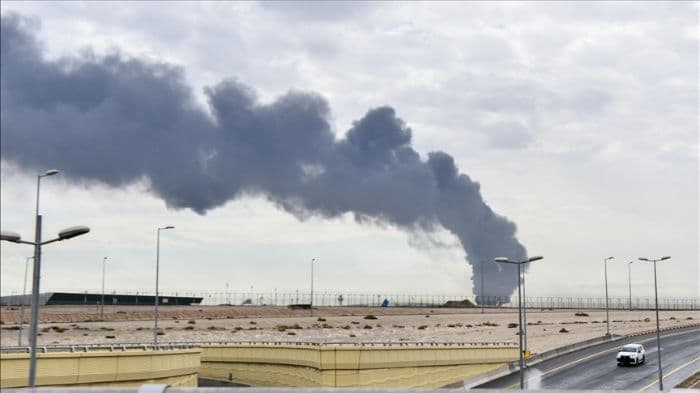
Kuwait’s main airport was among the latest targets, with reports indicating that fuel storage facilities were hit in a drone strike, triggering a major fire and emergency response. The incident has heightened fears about the vulnerability of key transport and energy hubs in the region.

At the same time, tensions have escalated in Dubai, where Iran has previously warned that locations allegedly used as “US hideouts” could be considered legitimate targets. Tehran has claimed that American forces were operating from ports, docks and other facilities in the UAE, though no independent confirmation has been provided.
Explosions and disruptions have been reported in multiple Gulf cities in recent weeks, including Dubai and Doha, as Iran expanded its retaliatory strikes following US and Israeli military actions. The attacks have affected airports, oil infrastructure and urban areas, significantly disrupting air travel and commercial activity.
The widening scope of the conflict marks a significant shift, as Gulf countries that were previously seen as peripheral are now increasingly exposed to direct strikes. In addition to Kuwait and the UAE, countries such as Saudi Arabia, Qatar and Bahrain have also reported missile and drone interceptions or impacts in recent weeks.
Iran’s strategy appears aimed at targeting US-linked assets across the region, while also signalling its ability to disrupt critical economic and logistical hubs. This has raised concerns about the safety of global oil supply routes and international shipping lanes, particularly as tensions remain high around key chokepoints like the Strait of Hormuz.
The conflict, now entering its second month, has already led to widespread instability, with missile and drone strikes reported across multiple countries and thousands of casualties.
With no immediate signs of de-escalation, the spread of attacks into major Gulf cities underscores the growing risk of a broader regional war—one that could have far-reaching consequences for global energy markets, aviation, and economic stability.




.jpg&w=256&q=75)





.jpg&w=256&q=75)
