Iran on February 28 signaled a hardened stance amid escalating tensions, with its ambassador to India declaring that Tehran would exercise its “lawful right of self-defense” and deploy “all necessary options” to safeguard its sovereignty and citizens.
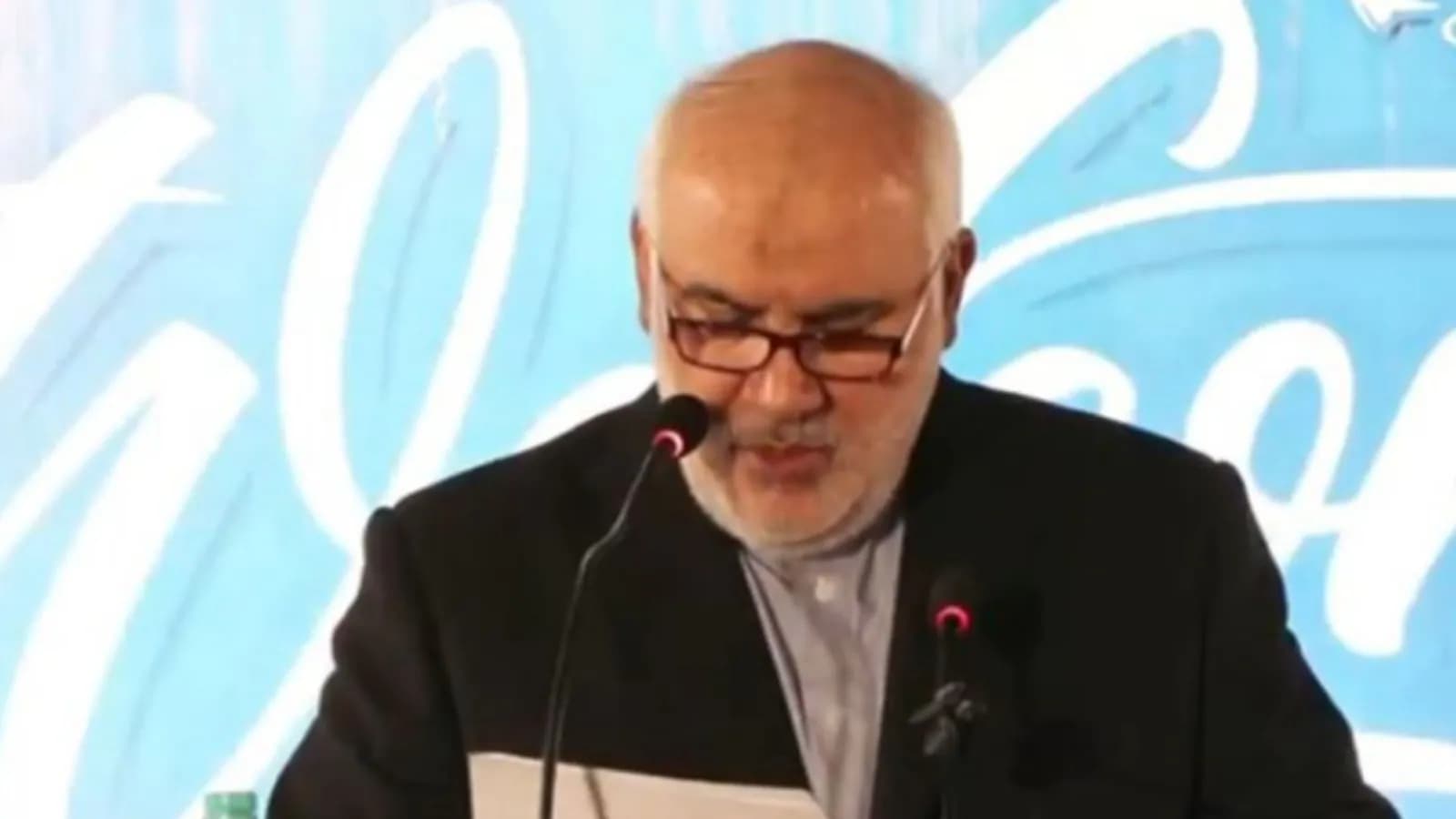
Speaking at the Iranian Culture House in New Delhi, Iran’s Ambassador to India, Mohammad Fathali, accused the United States and Israel of launching attacks that violated Iran’s territorial integrity.

“Iran has once again been attacked by the US and Israel,” he said. “They violated Iran’s sovereignty and territorial integrity. They attacked targets in several cities, including defensive infrastructure and civilian areas.”
Fathali alleged that the strikes were aimed at exerting pressure and advancing “illegitimate interests”, claiming civilian areas were hit alongside defense facilities. Stressing Tehran’s readiness, he said Iran’s armed forces were fully prepared to respond.
“As an independent country, Iran will use all necessary options to protect its territorial integrity, its independence, and the lives of its citizens,” he asserted.
Diplomatic push across West Asia
Even as the rhetoric sharpened, Tehran moved swiftly on the diplomatic front. Iran’s Foreign Minister Seyed Abbas Araghchi held telephone conversations with his counterparts in Saudi Arabia, United Arab Emirates, Qatar, Kuwait, Bahrain and Iraq, urging them not to permit the US or Israel to use their territories to mount operations against Tehran.
According to a statement from the Iranian Foreign Ministry, Araghchi described the military action as a “flagrant violation” of the principles enshrined in the United Nations Charter and a crime against international peace and security.
Reaffirming Iran’s commitment to a policy of good neighborliness, he underscored what he called a fundamental principle of international law: that no state should participate in acts of aggression against another.
Araghchi warned that the conflict was “not only directed against the Iranian nation but against all countries of the region”, urging Muslim-majority nations and regional governments to shoulder what he termed their “historic responsibility” in countering destabilizing designs.
The twin track of military resolve and regional diplomacy underscores Tehran’s effort to frame the confrontation not merely as a bilateral clash, but as a wider test of sovereignty and security across West Asia.




.jpg&w=256&q=75)





.jpg&w=256&q=75)
