Two Chinese container vessels abruptly turned back while attempting to pass through the Strait of Hormuz, despite Iran’s assurances that ships from “friendly nations” would be allowed safe passage.
The vessels, identified as CSCL Indian Ocean and CSCL Arctic Ocean, are linked to Chinese state-owned shipping major COSCO. Ship-tracking data showed that both vessels had begun their journey through the strategic waterway but reversed course near Iranian waters on March 27.

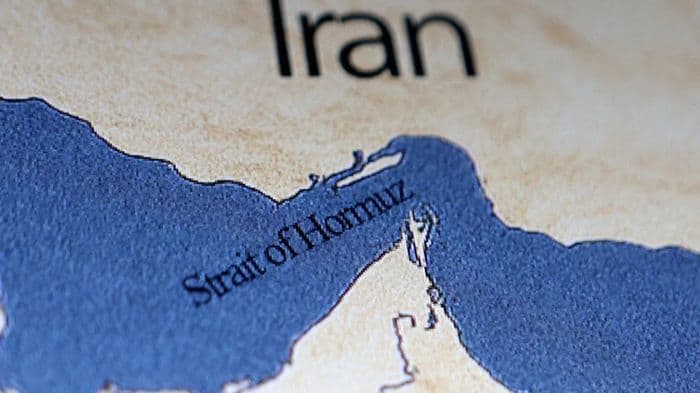
The development comes amid heightened tensions in the Gulf region following the ongoing conflict involving Iran, the United States, and Israel. The Strait of Hormuz, a narrow maritime chokepoint, is one of the most critical global energy routes, handling a significant share of the world’s oil shipments.
Iran had earlier indicated that vessels from certain countries, including China, would be permitted to pass through the strait, even as restrictions remained in place for others. However, the latest incident suggests that conditions on the ground remain unpredictable, with safety concerns continuing to affect commercial shipping.
Analysts say Iran has effectively tightened control over the strait, with reports indicating that maritime movement is being closely monitored and, in some cases, restricted or reversed. Some experts have described the situation as resembling a “controlled transit” environment, where passage depends on evolving geopolitical considerations.
Additional reports indicate that Iranian forces have turned back vessels of multiple nationalities in recent days, reinforcing concerns about inconsistent enforcement of passage rules.
The incident also underscores the broader disruption to global shipping caused by the conflict. Many vessels have either delayed transit or rerouted to avoid risks, while others remain stranded in the Gulf due to uncertainty over safe passage.
The Strait of Hormuz has been at the centre of escalating tensions since late February, when Iran moved to restrict access following military strikes by the US and Israel. While Tehran has maintained that the strait is not fully closed, it has made clear that access depends on political alignment and compliance with its conditions.
The reversal of Chinese vessels—despite their perceived “friendly” status—signals that even preferred nations are not immune to the operational risks in the region. Analysts warn that continued disruptions could have wider implications for global trade and energy markets, particularly if shipping traffic through the strait remains volatile.




.jpg&w=256&q=75)





.jpg&w=256&q=75)