In a powerful display of preparedness and precision, India’s air defense systems successfully repelled two successive waves of missile and drone attacks launched from Pakistan within a 48-hour window this week.
The strikes, targeting military installations across Jammu & Kashmir, Punjab, and Rajasthan, followed India's decisive Operation Sindoor, which reportedly dismantled nine terror camps in Pakistan and Pakistan-occupied Kashmir.

The first Pakistani assault began late on May 7, continuing into the early hours of May 8. Military sites in or near 15 Indian cities came under threat. But India's response was swift and layered: surface-to-air missiles, anti-aircraft guns, and an integrated counter-UAS (unmanned aerial system) grid intercepted the projectiles mid-air.
Simultaneously, Israeli-made HARPY drones were deployed by India to neutralize enemy air defenses, blinding Pakistan’s radar coverage.
As dawn broke, Pakistan launched a second wave of attacks. Air raid sirens rang across northern India, and blackouts were ordered in border towns. But once again, India’s aerial defense grid proved unbreachable.
Inside India’s aerial fortress
Central to the nation’s success was the integrated counter-UAS grid, which combines radar, radio frequency sensors, jammers, and interceptor projectiles to detect and destroy drones and missiles. According to defense officials, many of the fiery explosions seen lighting up the skies were incoming threats shot down by this grid before they could strike.
This system is especially critical given India's massive territorial span and varied geography, which requires real-time, wide-area aerial coverage. The grid enables faster threat identification and allows airforce units to deploy their assets more strategically.
A multi-layered defense shield
India’s aerial defense isn’t reliant on a single system—it is a layered dome of technologies, each playing a specialized role:
- S-400 Triumf: The crown jewel of India's missile defense, the Russian-built S-400 can track threats up to 600 km away and neutralize them within a 400 km range. With 360-degree radar tracking and precision-guided interceptor missiles, this system is built to tackle everything from drones to fifth-generation fighter jets.
- SAMAR (Surface-to-Air Missile for Assured Retaliation): A short-range system using repurposed Russian Vympel R-73 missiles, ideal for intercepting low-flying drones and cruise missiles within a 12 km radius.
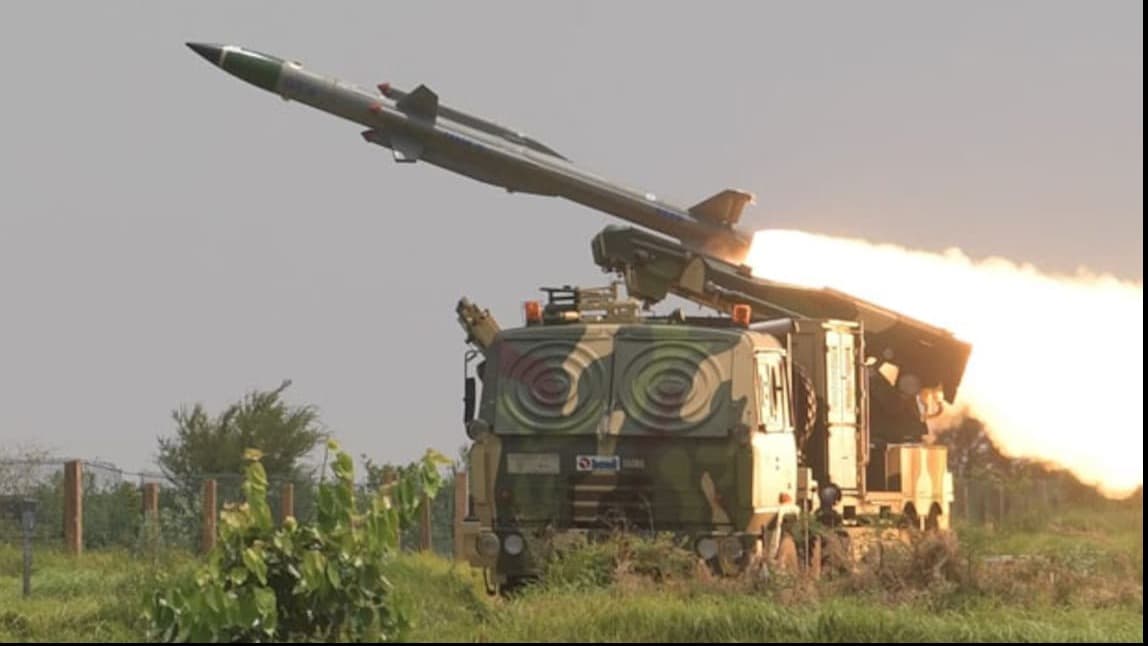
- Akash: India’s indigenously developed short-to-medium range SAM system. With a reach of up to 50 km, Akash is designed to engage multiple aerial threats simultaneously, equipped with electronic counter-countermeasures (ECCM) to defeat jamming.
- S-125 Pechora: A legacy system, yet still relevant, this Soviet-era SAM platform can strike at drones, helicopters, and even aircraft—a testament to India’s diverse air defense ecosystem.
These systems are further reinforced by the Indian air force’s fleet of frontline fighters, including French-made Rafales, which provide airborne support and rapid interception capabilities when needed.