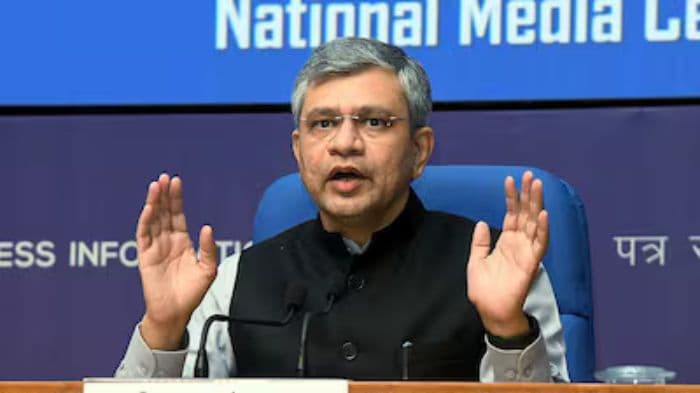
Union Information and Broadcasting Minister Ashwini Vaishnaw has called on global and domestic online platforms to take greater responsibility for the content shared on their services and to ensure a fair distribution of revenue with content creators, officials said on Feb 26.
The minister’s remarks reflect rising concerns over content moderation, creator compensation and equitable monetisation in India’s rapidly evolving digital ecosystem.

Addressing a meeting with representatives of major digital and social media companies, Vaishnaw emphasised the need for platforms to act responsibly in curbing misinformation, harmful content and online abuse while also revisiting how revenue generated from content is shared with creators. He reiterated the government’s stance that platforms must adopt transparent and consistent policies that protect users and reward original content contributors in a fair manner.
Vaishnaw said online platforms should not absolve themselves of responsibility for the content circulated on their networks, highlighting that unregulated dissemination of misleading or harmful material can have real-world consequences.
He stressed that platforms must collaborate with Indian authorities to ensure compliance with local laws and cultural standards while strengthening mechanisms to address complaints and grievances from users and creators alike.
The minister also pointed to concerns about how algorithms on certain platforms may amplify divisive or sensational content, urging companies to adopt ethical content discovery and recommendation systems that do not prioritise engagement at the cost of user welfare and societal cohesion.
Vaishnaw underscored that the current revenue-sharing ecosystem between platforms and content creators often leaves smaller and independent creators at a disadvantage, and called for more equitable monetisation frameworks.
He said that platforms should ensure transparent terms and clear guidelines about how creators are compensated, particularly when platforms profit from advertising or subscription models that directly benefit from user-generated content.
The minister’s comments come amid broader global debates over how online platforms compensate creators, ranging from subscription services and ad revenue shares to micro-payments and creator funds.
India’s digital economy has seen rapid growth in creator-driven content — including blogs, vlogs, web series, educational content and short-form videos — making the issue of revenue fairness increasingly relevant.
Vaishnaw said that the government is open to engaging constructively with digital platforms to co-create policies that balance freedom of expression with responsibility and accountability.
He also noted that existing rules, such as the Information Technology (Intermediary Guidelines and Digital Media Ethics Code) Rules, provide a framework for content moderation and grievance redressal, and may be reviewed or strengthened in consultation with stakeholders to address emerging challenges.
In addition to moderation and monetisation concerns, the minister flagged issues related to data privacy and platform transparency, saying that digital services should build trust by respecting user data and offering greater clarity on how content and revenue policies function.