


The directive requires universities to secure written clearance from the National Bioethics Committee before transferring human biological material overseas, with violations potentially leading to regulatory action and the revocation of research approvals.
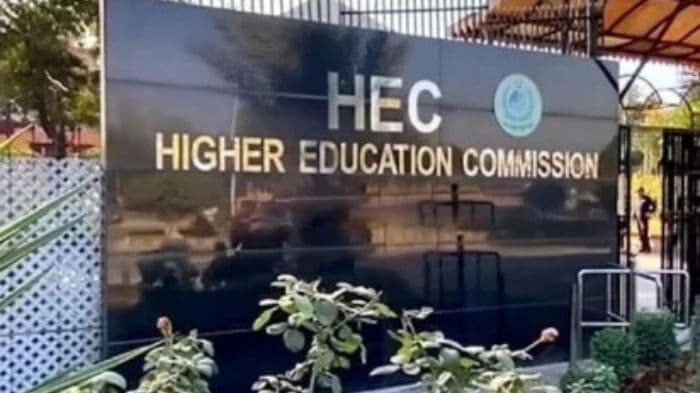
Pakistan’s Higher Education Commission (HEC) has directed universities and degree-awarding institutions to obtain prior written approval from the National Bioethics Committee (NBC) before transferring human biological material or health-related data to foreign institutions.
The directive requires institutions to follow the NBC’s regulations governing the export and sharing of human biological samples and health information. The materials covered include blood, tissues, DNA, RNA and human cells.

The move is intended to strengthen oversight of research-related transfers and address concerns about the security of Pakistan’s genetic resources and the privacy of citizens whose health information may be shared internationally.
Universities must obtain clearance before transfers
Under the HEC directive, universities and other degree-awarding institutions must secure written permission from the NBC before exporting or sharing covered biological samples with overseas institutions.
The commission has instructed institutions to fully implement the committee’s regulations on the transfer of biological material and health-related information.
The requirement is relevant to research collaborations involving foreign universities, laboratories and other institutions where human samples or health information may need to be transferred across national borders.
HEC flags privacy and national security concerns
The commission has warned that unauthorised transfers of human biological material could pose risks to national security and the protection of Pakistan’s genetic resources.
It has also raised concerns about the unregulated sharing of health-related data, particularly the privacy of Pakistani citizens and the protection of their genetic information.
Biological samples and associated health data can be important for medical research, but their collection, use, storage and transfer require appropriate oversight. The approval requirement places the National Bioethics Committee at the centre of the process for transfers covered by its regulations.
The HEC has warned that institutions violating the NBC’s rules could face regulatory action.
According to the directive, approval for ongoing as well as future research projects may also be revoked if the required clearance has not been obtained.
Universities will therefore need to ensure that relevant research activities comply with the applicable approval requirements before transferring biological material or health-related information abroad.
The directive reinforces regulatory oversight of international research collaboration involving human biological samples and health data. Its implementation will depend on institutions complying with the NBC’s requirements and securing the necessary approvals.

University of Saarland loses students as HTW Saarland enrolment rises

‘Dear Italy, how much do you cost us?’ Students pitch tents over soaring rents

Kuwait University showcases academic programmes at international education exhibition
Pakistan HEC makes prior approval mandatory for sharing biological samples and health data abroad

Australia passes bill to expand university access and support disadvantaged students
‘Dear Italy, how much do you cost us?’ Students pitch tents over soaring rents
Australia passes bill to expand university access and support disadvantaged students
HBKU’s PlasmaPure advances to semifinals in global water desalination competition
Karnataka student elections return after 37 years: Why political restrictions and university polls remain contentious

Global education is shifting from simply going abroad to creating more flexible routes to opportunity

University of Saarland loses students as HTW Saarland enrolment rises
‘Dear Italy, how much do you cost us?’ Students pitch tents over soaring rents
Kuwait University showcases academic programmes at international education exhibition
Pakistan HEC makes prior approval mandatory for sharing biological samples and health data abroad
Australia passes bill to expand university access and support disadvantaged students
‘Dear Italy, how much do you cost us?’ Students pitch tents over soaring rents
Australia passes bill to expand university access and support disadvantaged students
HBKU’s PlasmaPure advances to semifinals in global water desalination competition
Karnataka student elections return after 37 years: Why political restrictions and university polls remain contentious
Global education is shifting from simply going abroad to creating more flexible routes to opportunity
Copyright© educationpost.in 2026 All Rights Reserved.