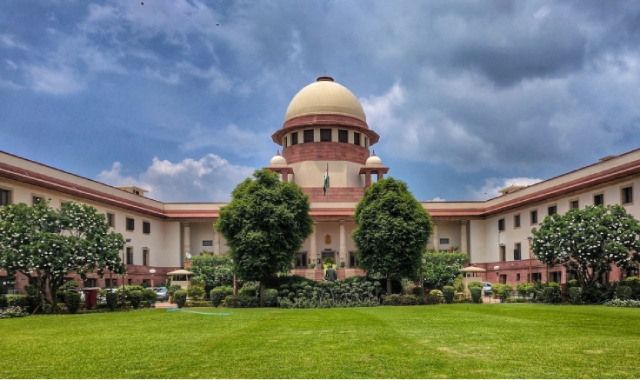
In a significant ruling, the Supreme Court has emphasized that for the summoning of an accused, a prima facie case made from the allegations in the complaint and the pre-summoning evidence presented by the complainant is adequate. The Court's decision, reversing the findings of the High Court and Sessions Court which had quashed the issuance of summons, underscores the importance of adhering to the prima facie standard at the pre-trial stage.
The bench, comprising Justices C.T. Ravikumar and Rajesh Bindal, rebuked the lower courts for engaging in what it termed a "mini-trial," noting that they erred by scrutinizing evidence as if determining a verdict of conviction or acquittal. The Court clarified that at the summoning stage, the focus should solely be on establishing a prima facie case based on the allegations and evidence available.

The case in question involved allegations of producing a fake divorce decree on a mobile phone to deceive the appellant into believing the respondent was eligible for remarriage. The Court underscored that such actions, if proven, could constitute offenses under Section 420 read with Section 120-B of the Indian Penal Code (IPC), warranting the issuance of summons.
Justice Rajesh Bindal, authoring the judgment, criticized the Sessions Court for prematurely delving into the evidence as if it were presiding over a trial. The Court emphasized that the summoning stage is preliminary and should focus solely on determining whether a prima facie case exists to proceed to trial.
In its ruling, the Supreme Court restored the issuance of summons by the Magistrate, setting aside the decisions of the High Court and Sessions Court. By reinstating the summons, the Court affirmed its commitment to upholding the principles of fairness and due process, ensuring that legal proceedings adhere to established standards of evidence and procedure.
This ruling serves as a reminder of the judiciary's role in safeguarding the integrity of legal processes, ensuring that justice is served through a fair and transparent adjudication of cases.



.jpg&w=256&q=75)



.jfif&w=256&q=75)