The Government of India has reinforced its commitment to women-led development by reviewing and strengthening policies that enhance women’s participation in the economy. Moving beyond welfare-centric approaches, the focus is now on enabling women to become active contributors and leaders in economic growth, entrepreneurship, and decision-making.
Key Highlights:
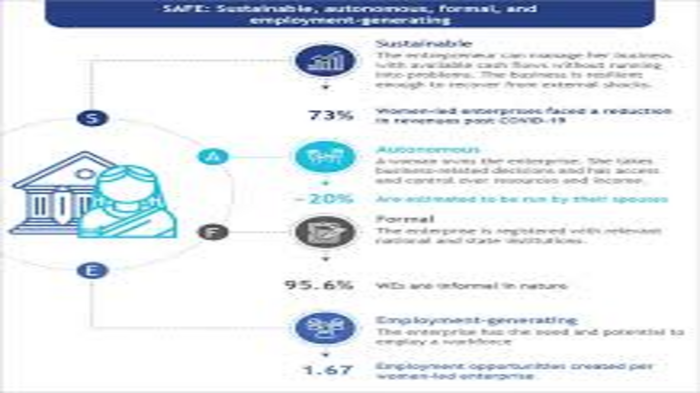
A major thrust area is support for women entrepreneurship. Government initiatives such as Stand-Up India Scheme and the Pradhan Mantri Mudra Yojana are facilitating access to credit and financial assistance for women entrepreneurs. These schemes aim to reduce barriers to entry and promote women-owned enterprises across sectors.

Skill development initiatives are being expanded to improve employability and productivity among women. Programmes under the Skill India Mission focus on training women in both traditional and emerging sectors, including digital skills, manufacturing, and services. Special emphasis is placed on bridging gender gaps in STEM (Science, Technology, Engineering, and Mathematics) fields.
Financial inclusion measures are also playing a critical role. Initiatives like Jan Dhan Yojana have enabled millions of women to open bank accounts, access direct benefit transfers, and participate in formal financial systems. Self-help groups (SHGs) and microfinance institutions are further empowering women at the grassroots level by promoting savings and credit access.
Additionally, policies are being aligned to improve workplace participation by addressing issues such as maternity benefits, workplace safety, and flexible working conditions.
Significance:
Women-led development is essential for achieving inclusive and sustainable economic growth. Greater participation of women in the workforce increases productivity, enhances household incomes, and contributes to overall economic expansion.
Empowering women also has broader social benefits, including improved education, health outcomes, and gender equality. Financial independence enables women to make informed decisions and strengthens their role within families and communities.
From a governance perspective, promoting women’s participation aligns with India’s commitment to inclusive development and social justice. It ensures that growth benefits are equitably distributed across all sections of society.
In the long term, fostering women-led development will help build a more resilient and balanced economy, while also advancing India’s progress towards achieving Sustainable Development Goals (SDGs), particularly those related to gender equality and economic empowerment.