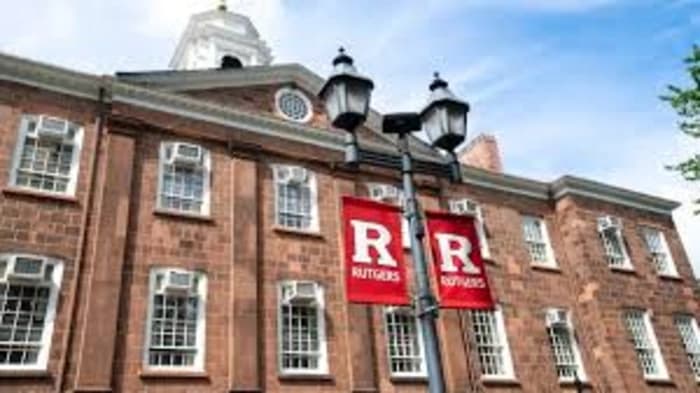
A recent controversy at Rutgers University in New Jersey has brought issues of religious pluralism, diaspora identity, and academic freedom into sharp focus. The university hosted an event titled “Hindutva in America: A Threat to Equality and Religious Pluralism”, which has drawn widespread attention after four US Congressmen — two from each party — raised concerns over what they termed as potential bias and discrimination against Hindu students.
The lawmakers’ letter to Rutgers University’s administration expressed support for Hindu students and community groups, many of whom alleged that the event’s framing conflated Hindutva ideology with Hindu identity, thereby fostering an environment of discomfort and alienation on campus. The Congressmen urged the university to uphold academic fairness and inclusivity, noting that students of all faiths should feel respected in educational spaces.

The incident has ignited debate within both the Indian diaspora and academic circles in the United States. Supporters of the event argue that critical discussions on Hindutva as a political ideology fall within the domain of legitimate scholarly inquiry. Opponents, however, contend that such events risk stigmatizing a religious community and could lead to identity-based polarization.
From a diplomatic lens, the episode also touches upon India’s soft power and diaspora sensitivities. With nearly five million people of Indian origin in the US, including a growing number of professionals and students, issues affecting Hindu or Indian identity abroad often resonate in bilateral discourse. Managing such situations requires a nuanced diplomatic approach that respects free speech while addressing concerns of prejudice.
For India, this controversy underscores the delicate balance between academic freedom, religious sensitivity, and diaspora representation — themes increasingly relevant to global politics and international relations.