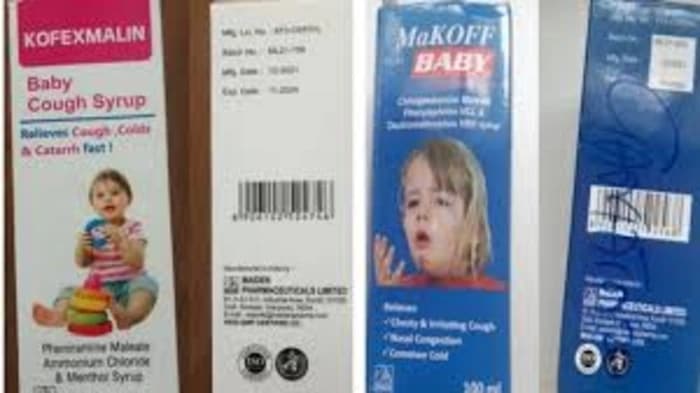
The tragic deaths of several children linked to contaminated cough syrup have once again drawn attention to the serious lapses in India’s drug regulatory system. The incident underscores the country’s ongoing struggle with pharmacovigilance, weak enforcement mechanisms, and the absence of robust child-specific drug regulations. Despite India’s position as the “pharmacy of the world,” the recurring episodes of substandard and contaminated medicines reveal systemic shortcomings in oversight, testing, and accountability.
The op-ed highlights that most paediatric medicines in India are not adequately tested for child safety, with dosages often derived from adult formulations — a practice that increases the risk of toxicity or under-dosing. The lack of mandatory paediatric clinical trials, poor lab infrastructure, and uneven quality control among state drug authorities create significant public health vulnerabilities. In many cases, ethical oversight and batch-level scrutiny are either absent or inconsistently implemented.

Experts point out that India’s Central Drugs Standard Control Organisation (CDSCO) and state-level regulators often operate with overlapping jurisdictions and limited capacity. The absence of a centralised pharmacovigilance network, inadequate reporting of adverse drug reactions (ADRs), and weak inter-agency coordination make early detection of harmful drugs difficult.
The tragedy also raises concerns about industry accountability. While manufacturers are legally bound to ensure product safety, enforcement remains lax, with limited penalties or recall mechanisms when lapses occur. There is growing demand for child-specific drug policy reforms, mandatory safety audits, and better international compliance standards for exported medicines — particularly after global incidents in Gambia and Uzbekistan involving Indian syrups.