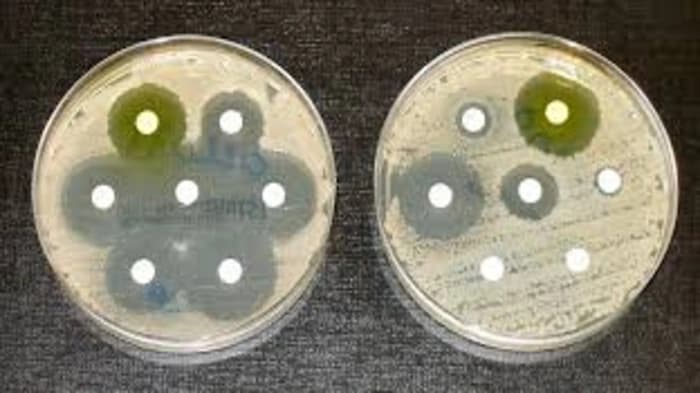
Indian scientists and ICAR institutions are enhancing insect-derived animal feed to address antimicrobial resistance (AMR) and reduce the ecological footprint of traditional livestock farming

Feed made from nutritious insect types like black soldier flies, crickets, mealworms, and grasshoppers, utilized as an eco-friendly protein source for livestock and aquaculture.
Created by: Led by ICAR along with private collaborators such as Ultra Nutri India, Loopworm, and Bhairav Renderers, in partnership with organizations like CIBA and CMFRI.

Fundamental concept of operation:
Waste-to-protein bioconversion: Insects such as black soldier fly larvae effectively ingest and process organic waste (agricultural byproducts, food scraps, brewery leftovers), generating high-protein biomass appropriate for animal feed.
Swift biomass growth: Larvae develop quickly (in 12–15 days), reaching up to 75% crude protein and vital lipids, resulting in an efficient and economical conversion process.
Improved regulation of gut microbiota: Proteins from insects improve animal gut health by boosting beneficial microbiota and decreasing reliance on antibiotic growth promoters—thereby aiding in the reduction of AMR.
Nutrient recycling in a closed loop: Remaining frass (insect excrement) serves as organic fertilizer, establishing a circular, low-waste production framework that promotes sustainable farming.
Main Characteristics:
Elevated nutritional content: Abundant in proteins (up to 75%), fats, micronutrients (zinc, iron, calcium), and dietary fiber.
Effective resource utilization: Insects need reduced land, water, and feed relative to conventional livestock agriculture.
Minimal ecological impact: Greenhouse gas emissions are considerably reduced in insect farming.

Patriarchal Bargain: How Women Are Challenging Restrictions in the Name of Safety
El Niño 2026: India Faces Growing Risks of Drought, Food Inflation and Water Stress

Rig Veda’s Female Voices: Can They Be Considered Women Poets?

Navi Pillay Wins 2026 Nobel Peace Prize for Advancing Human Rights and International Justice

IISc’s TANUH Uses Artificial Intelligence to Strengthen Healthcare in India
.jpg&w=256&q=75)
University of Arizona suspends fraternity activities as misconduct reports mount
.jpg&w=256&q=75)
Cornell rape accuser was misled about criminal probe, lawyer alleges
.webp&w=256&q=75)
Over 1,000 US colleges fail to submit student outcomes data by deadline

Inside the 382nd Report: Every Recommendation Parliament's Panel Made on NTA After the NEET Leak
.jpg&w=256&q=75)
IIM Ahmedabad, IESE and HEC Montréal chiefs join global EQUIS Accreditation Board

Patriarchal Bargain: How Women Are Challenging Restrictions in the Name of Safety
El Niño 2026: India Faces Growing Risks of Drought, Food Inflation and Water Stress

Rig Veda’s Female Voices: Can They Be Considered Women Poets?

Navi Pillay Wins 2026 Nobel Peace Prize for Advancing Human Rights and International Justice

IISc’s TANUH Uses Artificial Intelligence to Strengthen Healthcare in India
.jpg&w=256&q=75)
University of Arizona suspends fraternity activities as misconduct reports mount
.jpg&w=256&q=75)
Cornell rape accuser was misled about criminal probe, lawyer alleges
.webp&w=256&q=75)
Over 1,000 US colleges fail to submit student outcomes data by deadline

Inside the 382nd Report: Every Recommendation Parliament's Panel Made on NTA After the NEET Leak
.jpg&w=256&q=75)
IIM Ahmedabad, IESE and HEC Montréal chiefs join global EQUIS Accreditation Board
Copyright© educationpost.in 2024 All Rights Reserved.
Designed and Developed by @Pyndertech