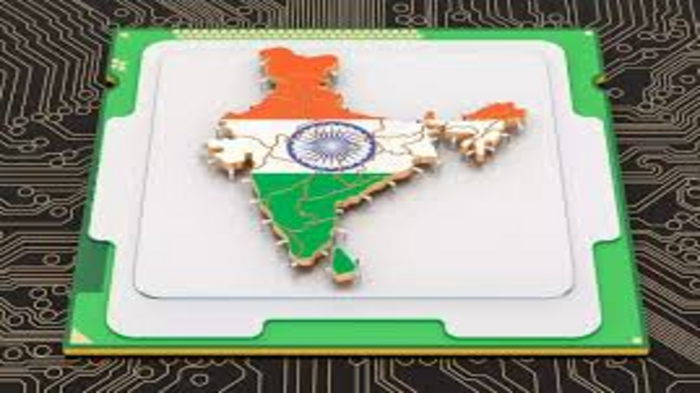
India has intensified its efforts to build a robust domestic semiconductor manufacturing ecosystem, aiming to reduce reliance on imports and enhance technological capabilities. With increasing global demand for chips and supply chain vulnerabilities exposed in recent years, the government is prioritizing self-reliance in this critical sector.
Key Highlights:
A central pillar of this initiative is the Semicon India Programme, which offers financial incentives, subsidies, and policy support to attract investments in semiconductor fabrication and assembly units. These incentives are designed to offset high capital costs and encourage both domestic and international players to set up manufacturing facilities in India.

India is also actively forming partnerships with global technology firms to bring in expertise, advanced manufacturing processes, and investment. These collaborations are expected to accelerate the development of a comprehensive semiconductor value chain, including design, fabrication, testing, and packaging.
Another major focus area is the development of semiconductor clusters—dedicated industrial zones equipped with world-class infrastructure, logistics support, and research facilities. These clusters aim to create an integrated ecosystem that fosters innovation, efficiency, and economies of scale.
Additionally, efforts are being made to strengthen research and development capabilities and build a skilled workforce to support the industry’s growth.
Significance:
The promotion of a domestic semiconductor ecosystem is crucial for reducing India’s dependence on imports, particularly in sectors such as electronics, telecommunications, and defence. This enhances national security by ensuring access to critical technologies.
The initiative also strengthens India’s technological sovereignty, enabling it to compete in the global high-tech landscape. A strong semiconductor base can drive innovation and support emerging technologies such as artificial intelligence, 5G, and the Internet of Things.
Furthermore, the development of semiconductor manufacturing is expected to boost economic growth by attracting foreign investment, generating employment, and fostering industrial development.
In the long term, these efforts will position India as a key player in the global semiconductor industry, contributing to both economic resilience and strategic autonomy.






.jfif&w=256&q=75)





.webp&w=256&q=75)
