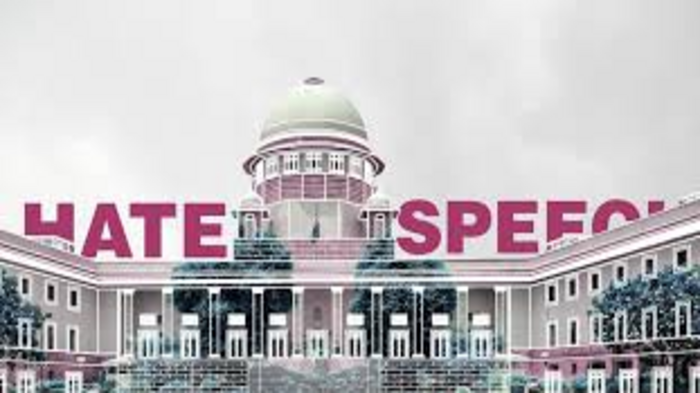
The Supreme Court of India has asked the central government to examine whether racial slurs and similar discriminatory acts should be formally classified as hate crimes under Indian law. The Court’s observation came during hearings on petitions highlighting the lack of specific legal provisions to address hate speech and racially motivated abuse. The move reflects growing judicial concern about protecting individuals and communities from discrimination and preserving constitutional values.
Hate crimes are criminal acts motivated by bias or prejudice against a person’s identity, such as race, religion, ethnicity, or nationality. The Court emphasized that racial slurs can deeply harm individual dignity and social harmony, and may violate fundamental rights guaranteed by the Constitution. While existing laws, including provisions under the Indian Penal Code, address offenses such as promoting enmity and intentional insult, there is currently no comprehensive legal framework specifically defining and penalizing hate crimes.

The Court highlighted the importance of protecting the right to equality under Article 14 and the right to life and dignity under Article 21. These constitutional provisions ensure that every individual is treated equally before the law and protected from discrimination. By urging the government to consider formal classification of hate crimes, the Court aims to strengthen legal mechanisms to address discrimination and promote inclusivity.
This development holds significant importance for governance and human rights protection in India. Recognizing hate crimes could lead to clearer legal definitions, stricter penalties, and improved enforcement. It would also help law enforcement agencies respond more effectively to cases involving racial or identity-based violence.
Overall, the Supreme Court’s intervention reinforces the constitutional commitment to equality, dignity, and non-discrimination. It marks an important step toward strengthening India’s legal framework to ensure social justice, protect vulnerable groups, and uphold democratic values.