


The state’s new framework aims to ensure early detection, counselling and timely medical intervention, while protecting survivors’ reproductive rights and informed consent
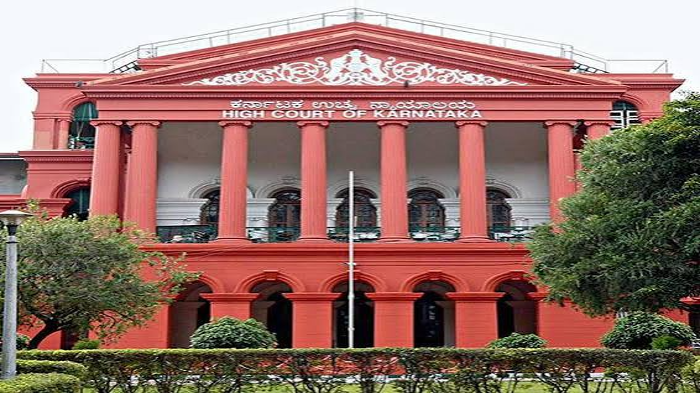
The Karnataka High Court has taken note of a state government Standard Operating Procedure (SOP) designed to address pregnancies involving minor survivors of sexual assault. The framework brings together multiple government agencies to identify such cases early, provide counselling and facilitate safe medical intervention, particularly for children who may be unaware of their legal rights or fear social stigma.
Justice S Sunil Dutt Yadav disposed of the petition on October 7, observing that the matter did not require further adjudication after the government notified the SOP in the state gazette on July 31.

The case arose from a petition filed on behalf of a 16-year-old girl seeking termination of her pregnancy at approximately 32 weeks. During the proceedings, the court had sought suggestions from the survivor, the state government and an amicus curiae to develop a framework for addressing such cases.
The petitioner’s counsel argued that being denied termination could violate the girl’s rights under Article 21 of the Constitution, including reproductive freedom, bodily autonomy, privacy and personal liberty. The counsel also highlighted the psychological trauma associated with continuing a pregnancy resulting from sexual assault.
The court stated that the SOP would be monitored by a state-level committee and district-level Child Protection Coordination Committees. The framework will undergo annual review, while district magistrates can address grievances concerning delays or irregularities involving Child Welfare Committees, police and medical boards.
The court also addressed situations in which termination is medically unsuccessful or a child is born alive. If the survivor wishes to surrender the infant, the Child Welfare Committee must follow the prescribed procedures for surrender and adoption, ensuring appropriate care until the child is transferred to a specialised adoption agency or lawfully placed with a parent or guardian.
The state government was directed to bear the infant’s care expenses in cases covered by the court’s directions.
Further, the court instructed the Education Department to improve awareness of sexual and reproductive health rights among children aged five to 18 through schools, childcare institutions, adolescent-friendly health clinics and community settings. Educational materials must also be accessible to children with disabilities.
Emphasising the survivor’s autonomy, the court directed that the child’s wish regarding termination be recorded in writing. It stressed that the child’s informed choice and consent must remain paramount and free from coercion by family members, guardians or institutional authorities.
.jfif&w=256&q=75)
AI Emerges as a Research Collaborator in Biology, Opening New Possibilities for Medical Science
Karnataka High Court Upholds SOP for Pregnancy Cases Involving Minor Sexual Assault Survivors
.png&w=256&q=75)
SC Bar Association Seeks CJI’s Intervention Over Detention of Lawyers During Protest

US Midterm Elections 2026: Indian-American Voters Could Influence Key Races
Nobel Prize in Economics 2026: Robert Hall and Michael Woodford Recognised for Research on Economic Policy
UNESCO flags India’s rural education gap: 59 girls for every 100 boys

Madurai Kamaraj University seeks grants for college struggling to pay salaries amid ₹2 crore annual deficit

IISc Study Challenges Chandrasekhar Limit, Finds White Dwarfs Could Grow Far Beyond Expected Mass

Surat medical college ragging case: Two senior doctors arrested after PG student’s death

IIIT Ranchi student death: NHRC to examine allegations of administrative negligence and delayed medical aid

AI Emerges as a Research Collaborator in Biology, Opening New Possibilities for Medical Science
Karnataka High Court Upholds SOP for Pregnancy Cases Involving Minor Sexual Assault Survivors
SC Bar Association Seeks CJI’s Intervention Over Detention of Lawyers During Protest
US Midterm Elections 2026: Indian-American Voters Could Influence Key Races
Nobel Prize in Economics 2026: Robert Hall and Michael Woodford Recognised for Research on Economic Policy
UNESCO flags India’s rural education gap: 59 girls for every 100 boys
Madurai Kamaraj University seeks grants for college struggling to pay salaries amid ₹2 crore annual deficit
IISc Study Challenges Chandrasekhar Limit, Finds White Dwarfs Could Grow Far Beyond Expected Mass
Surat medical college ragging case: Two senior doctors arrested after PG student’s death
IIIT Ranchi student death: NHRC to examine allegations of administrative negligence and delayed medical aid
Copyright© educationpost.in 2026 All Rights Reserved.