Persistent airspace bans reflect continued Indo-Pak tensions, affecting regional connectivity, trade, and civil aviation

Recent Development
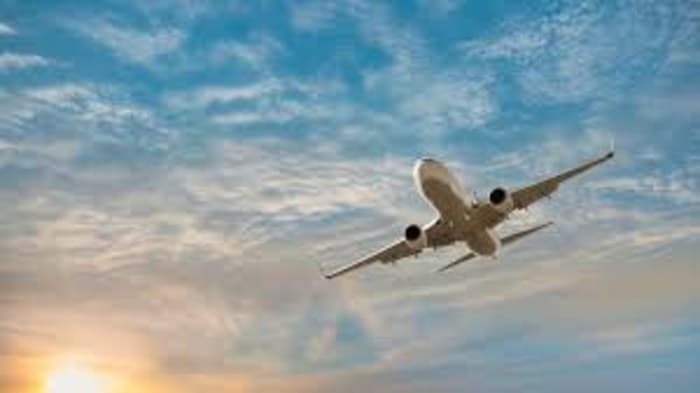
As of late September 2025, India extended its ban on Pakistani aircraft and airlines from transiting Indian airspace by another month, continuing a long-standing reciprocal closure. The Pakistan side had also extended its closure for Indian aircraft, marking the sixth continuous month.

Historical & Geopolitical Context
India–Pakistan mutual airspace bans date from cross-border tensions, security concerns, and diplomatic standoffs.
Such bans disrupt air routes, increase flight time and cost, and affect trade and civilian connectivity.
They are used as instruments of state signaling and pressure in the bilateral relationship.
Economic and Operational Impact
Airlines’ operating costs rise due to longer flight paths, extra fuel consumption, and logistical complexities.
Passenger inconvenience: longer travel times, higher fares, reduced connectivity.
Trade & cargo routes may be disrupted, affecting time-sensitive goods.
Potential shift of air corridors via third countries, increasing dependency and cost.
Diplomatic & Strategic Implications
The decision underscores the frozen state of bilateral ties, with low trust and limited cooperation.
It sends a signal of resolve by Delhi, especially if diplomatic corridors are frozen.
Pakistan may face domestic pressure over the impact on its aviation sector, economy, and connectivity.
Alternatives & Mitigation
Negotiated reopening via confidence-building measures (CBMs), trade linkages, or third-party mediation.
Use of third‑party airspace corridors (e.g. via Gulf states, Central Asia) albeit at higher cost.
Bilateral aviation dialogue to gradually normalize operations.
Conclusion:
Airspace closures are both symbolic and economically disruptive. While security remains paramount, restoring aviation links through dialogue and confidence-building could ease bilateral tensions and benefit both nations’ economies.

Ashoka University, Iron Pillar Launch India–Japan Economic Corridor Report

What Is APAAR ID, the ‘One Nation, One Student ID’? Benefits, Registration, Uses and Privacy Concerns: Explained

NAMSCON 2026 in Chennai Highlights Role of Science and Technology in Healthcare
.webp&w=256&q=75)
Hardware Comes First; Software Must Refine What We Build

Explained: Why the Centre Is Rethinking NEET-UG’s Pen-and-Paper Format and the Challenges of a Computer-Based Test

What Is APAAR ID, the ‘One Nation, One Student ID’? Benefits, Registration, Uses and Privacy Concerns: Explained

Gurugram traffic pollution cost children 94,859 school days in 2025

MICA appoints Prof Dr Ruchi Tewari as Chief Marketing and Experience Officer

4 Indian B-schools rank among global leaders in teaching-case impact, IIM Bangalore leads
.webp&w=256&q=75)
UP to recruit over 17,000 education posts, exams scheduled for Nov and Dec

Ashoka University, Iron Pillar Launch India–Japan Economic Corridor Report

What Is APAAR ID, the ‘One Nation, One Student ID’? Benefits, Registration, Uses and Privacy Concerns: Explained

NAMSCON 2026 in Chennai Highlights Role of Science and Technology in Healthcare
.webp&w=256&q=75)
Hardware Comes First; Software Must Refine What We Build

Explained: Why the Centre Is Rethinking NEET-UG’s Pen-and-Paper Format and the Challenges of a Computer-Based Test

What Is APAAR ID, the ‘One Nation, One Student ID’? Benefits, Registration, Uses and Privacy Concerns: Explained

Gurugram traffic pollution cost children 94,859 school days in 2025

MICA appoints Prof Dr Ruchi Tewari as Chief Marketing and Experience Officer

4 Indian B-schools rank among global leaders in teaching-case impact, IIM Bangalore leads
.webp&w=256&q=75)
UP to recruit over 17,000 education posts, exams scheduled for Nov and Dec
Copyright© educationpost.in 2024 All Rights Reserved.
Designed and Developed by @Pyndertech