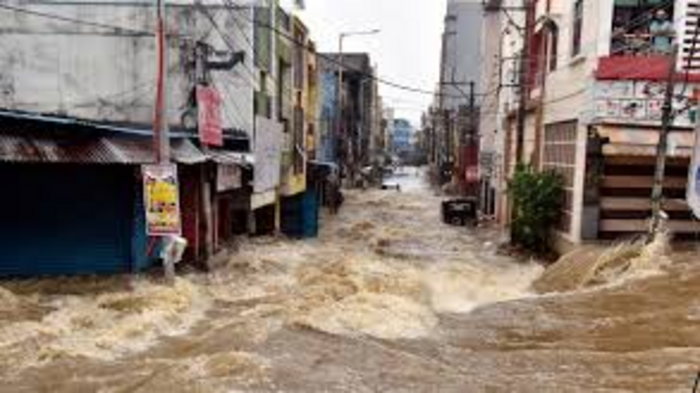
Increasing incidents of urban flooding across Indian cities have drawn attention to serious weaknesses in urban infrastructure and planning. Heavy rainfall events, often intensified by climate change, have exposed inadequate drainage systems, rapid and unplanned urbanization, and the loss of natural water bodies, leading to frequent waterlogging and disruption of daily life.
Many cities have expanded without integrating flood management into urban planning. Encroachment on lakes, wetlands, and floodplains has reduced the natural capacity to absorb excess rainwater. Poorly maintained and outdated drainage systems are unable to cope with intense rainfall, resulting in flooding of roads, homes, and critical infrastructure. Climate change has further worsened the situation by increasing the frequency and intensity of extreme weather events.

Urban flooding has serious economic and social consequences. It disrupts transport, damages property, affects public health, and disproportionately impacts low-income communities living in vulnerable areas. Repeated flooding also places additional pressure on municipal resources and emergency services.
Experts stress that building climate-resilient cities requires a comprehensive approach. Improved urban planning that integrates land-use regulation, modern drainage design, and flood risk assessment is essential. Nature-based solutions, such as restoring wetlands, creating urban green spaces, and promoting permeable surfaces, can help manage stormwater naturally.
In addition, early warning systems and real-time weather monitoring can significantly reduce loss of life and property by enabling timely response. Strengthening coordination between urban local bodies and disaster management agencies is equally important. As climate risks intensify, investing in resilient urban infrastructure will be crucial for sustainable and inclusive urban development.