This research emphasizes the vital connection between monsoon fluctuations and the health of marine ecosystems in the Bay of Bengal over the last 22,000 years. Foraminifera microfossils were utilized to reconstruct historical oceanic conditions, illustrating the evolution of monsoons and ocean chemistry in response to global climate change.
The shells of foraminifera, which are minute single-celled marine organisms, capture environmental data within their calcium carbonate structures. This study is particularly important as numerous climate models indicate significant disruptions to the monsoon due to anthropogenic warming.

Major findings reveal that both excessively strong and weak monsoons throughout history have led to substantial disturbances in ocean mixing, resulting in a 50% decrease in food availability for marine organisms. Such disruptions in ocean mixing contribute to plankton starvation.
Marine productivity has sharply declined during periods such as Heinrich Stadial 1 (a cold phase occurring between 17,500 and 15,500 years ago) and the early Holocene (approximately 10,500 to 9,500 years ago), when monsoon activity was either abnormally weak or strong.
The climate crisis is underscored by past collapses during Heinrich Stadial 1 and the early Holocene, which demonstrate a clear relationship between extreme monsoon events and declines in productivity. Future climate models predict warmer surface waters and erratic monsoon patterns—conditions reminiscent of historical downturns.
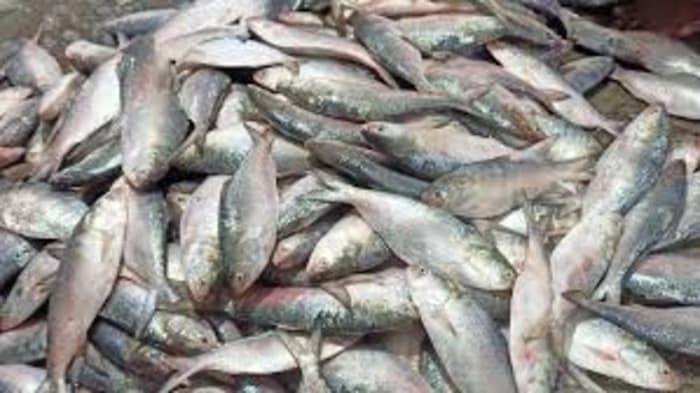
The ocean's failure to sustain plankton would severely jeopardize the marine food web. Concerns arise as the Bay of Bengal, which constitutes less than 1% of the ocean's surface, contributes around 8% of global fishery production. The Hilsa fish, vital for protein and income in South Asia, faces significant threats.
Over 150 million individuals rely on fisheries in the Bay; Bangladesh's artisanal sector, responsible for 80% of the national marine catch, is already experiencing stress due to overfishing.
Recommendations include enhancing and refining climate models to improve predictions regarding monsoon impacts, enforcing sustainable fisheries management, particularly in vulnerable artisanal sectors, and accelerating efforts to reduce emissions, as global warming exacerbates monsoon variability.