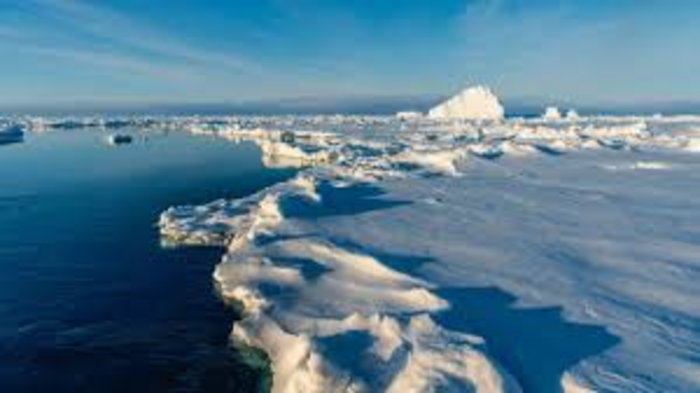
Rapid climate change in the Arctic region is reshaping global geopolitics, as melting ice opens new shipping routes and access to vast natural resources. Rising temperatures have led to a significant reduction in Arctic sea ice, making previously inaccessible areas available for navigation, energy exploration, and commercial activity. This transformation has intensified competition among major global powers seeking strategic and economic advantages.
New Arctic shipping routes, such as the Northern Sea Route, offer shorter transit times between Asia and Europe, potentially reducing costs and reshaping global trade patterns. At the same time, the region is believed to hold substantial reserves of oil, natural gas, and critical minerals. Countries bordering the Arctic, along with other global powers, are increasing their political, economic, and military presence in the region to safeguard their interests.

However, the geopolitical race has come at a significant environmental cost. Climate change has accelerated ecological degradation in the Arctic, threatening fragile ecosystems, wildlife, and the livelihoods of indigenous communities. Melting permafrost, rising sea levels, and biodiversity loss highlight the urgent need for responsible governance and international cooperation.
India, though not an Arctic nation, plays an active role as an observer in the Arctic Council. It has consistently emphasized the importance of scientific research, climate monitoring, and sustainable development in the region. Through its Arctic research initiatives, India seeks to better understand the global impacts of Arctic climate change, particularly its influence on monsoon patterns and sea-level rise.
As the Arctic gains global attention, experts stress that cooperation must prevail over conflict. Balancing strategic interests with environmental protection will be critical to ensuring that the Arctic remains a region of peace, sustainability, and scientific collaboration rather than unchecked competition.