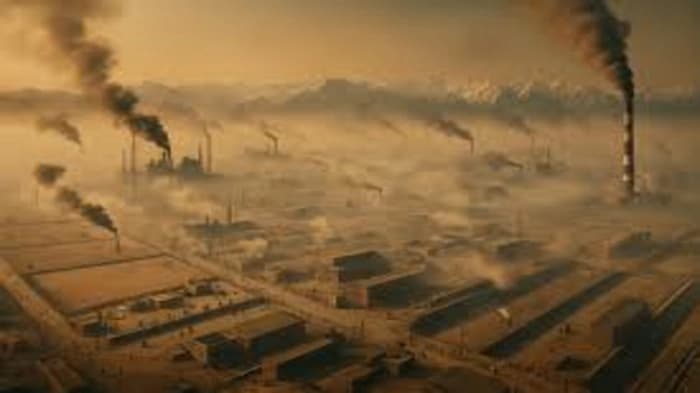
Several north Indian cities, including Delhi, Gurugram, and Lucknow, witnessed severe air pollution episodes, with air quality indices entering the “severe” category. In response, authorities implemented emergency measures such as restrictions on construction activities, curbs on vehicular movement, and temporary shutdowns of polluting industries. The recurring nature of such episodes has reinforced concerns about urban environmental governance and public health preparedness.
Air pollution in northern India is driven by a combination of structural and seasonal factors. Vehicular emissions, construction dust, industrial pollution, waste burning, and biomass use contribute to high baseline pollution levels. During winter months, unfavourable meteorological conditions such as temperature inversion, low wind speed, and reduced mixing height trap pollutants close to the ground, worsening air quality. Transboundary factors, including stubble burning in neighbouring regions, further aggravate the situation.

The public health impact of air pollution is severe and well-documented. Prolonged exposure increases the risk of respiratory diseases, cardiovascular disorders, asthma, and reduced life expectancy. Vulnerable groups—children, the elderly, outdoor workers, and those with pre-existing conditions—are disproportionately affected. Rising healthcare costs and productivity losses impose a significant economic burden on cities and households.
Despite multiple policy interventions, governance gaps persist. Emergency measures under frameworks such as the Graded Response Action Plan (GRAP) are often reactive and short-term, addressing symptoms rather than root causes. Fragmented institutional responsibilities across municipal bodies, state governments, and central agencies limit coordinated action. Weak enforcement of pollution control norms further undermines long-term mitigation efforts.
Addressing urban air pollution requires a sustained and integrated strategy. Strengthening public transport, promoting electric mobility, controlling construction dust, improving waste management, and supporting cleaner industrial practices are essential. Regional coordination to address transboundary pollution, along with robust air quality monitoring and public communication, is equally important.
In conclusion, worsening urban air pollution in north India represents a public health emergency and a governance challenge. Moving from episodic responses to structural, long-term solutions is critical for ensuring healthier, more liveable cities.