A heatwave refers to an extended duration of excessively high temperatures, frequently accompanied by elevated humidity levels, which can have significant repercussions on human health, agriculture, and ecosystems.
Key Features:

In India, a heatwave is officially recognized when the maximum temperature surpasses 40°C in flat regions and 30°C in mountainous areas. Factors such as humidity, wind speed, and urban heat islands exacerbate the situation.
The rise in global temperatures and climate change are significant factors contributing to the growing frequency and severity of heatwaves.
Impacts of Heatwaves:
Health Impacts:
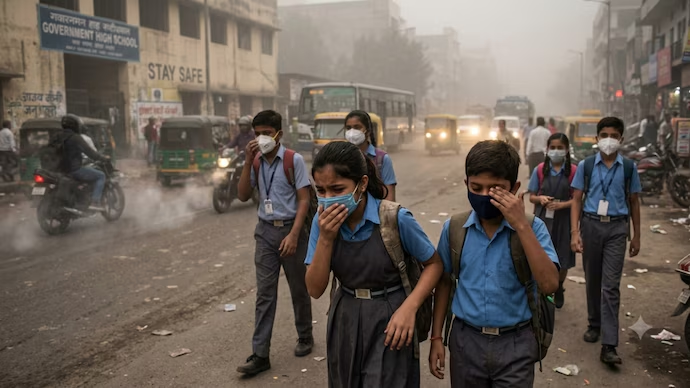
Heatwaves induce heat stress, which can adversely affect the kidneys, liver, and brain, potentially resulting in fatalities.
The most vulnerable populations include the elderly, women, outdoor laborers, and economically disadvantaged communities.
Economic and Livelihood Impacts:
Heatwaves diminish agricultural output and can lead to livestock fatalities.
They also reduce working hours, particularly for those in the informal sector.
The estimated economic loss ranges from 3% to 5% of GDP; in 2023, heat stress resulted in a 6% reduction in work hours in India.
Social Inequity:
Marginalized groups, including migrants, women, and the elderly, are disproportionately affected by heatwaves.
Challenges Associated with Heatwaves:
Inadequate Implementation: Although Heat Action Plans (HAPs) are in place, their execution is often lacking.
Lack of Comprehensive Data: There is a deficiency in complete statistics regarding heat-related illnesses and fatalities.
Urban Vulnerabilities: Overcrowded living conditions and limited space heighten risks in impoverished neighborhoods.
Infrastructure Gaps: There is a shortage of cooling shelters, public water access, and availability of Oral Rehydration Solutions (ORS).
Limited Awareness: Public knowledge regarding heat safety is inconsistent.
Way Ahead:
Short-Term Measures:
Enhance HAPs: Revise state and city-level plans to incorporate humidity and local vulnerabilities.
Early Warning Systems: Implement Heat Health Alert (HHA) systems that utilize both daytime and nighttime temperature data.
Immediate Public Health Actions: Ensure access to drinking water, ORS, and staggered work hours.
Targeted Advisories: Deliver localized heat advisories that consider social contexts.
Long-Term Strategies:
Urban Planning Reforms: Encourage the use of cool roofing, the creation of green spaces, and the adoption of superior building materials.
Summer Shelters: Create designated ‘summer shelters’ to support at-risk populations.
Skill Development: Equip the workforce with training in heat-resilient construction and urban management practices.
Insurance Coverage: Provide insurance options to cover wage losses incurred during extreme heat events.
Policy Integration: Foster collaboration across various sectors to ensure cohesive climate action for sustainable adaptation.
Conclusion:
The increasing threat of heatwaves in India necessitates a comprehensive approach that prioritizes people, equity, and scientific evidence. This approach should integrate immediate relief efforts with sustainable, long-term strategies for urban resilience. Taking proactive policy measures now can prevent significant public health and economic challenges in the future.







.jfif&w=256&q=75)



.webp&w=256&q=75)
