Fostering Awareness and Stakeholder Engagement: Mobilizing Efforts Against Invasive Alien Species
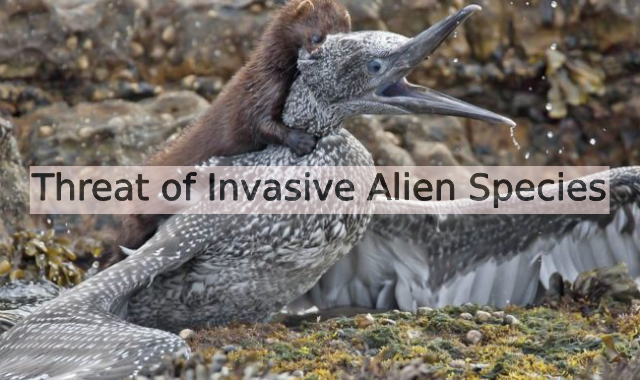
In recent years, the threat posed by Invasive Alien Species (IAS) has escalated, drawing significant concern, especially in regions like the Andaman and Nicobar Islands. The proliferation of species such as the chital underscores the imminent danger these invaders pose to the delicate balance of native flora and fauna. Understanding the nature of IAS, their impacts, and implementing effective management strategies has become imperative in safeguarding biodiversity and ecosystems.
Understanding Invasive Alien Species
Invasive alien species are non-native organisms introduced outside their natural habitats, encompassing plants, animals, pathogens, and others. These species possess the remarkable ability to "arrive, survive, and thrive," as defined by the Convention on Biological Diversity (CBD). Their introduction disrupts ecosystems by outcompeting native species for resources, leading to economic, environmental, and health risks. In India, IAS are defined under the Wildlife Protection Act, 1972, as non-native species threatening wildlife or habitats.

Impact on Biodiversity
The consequences of invasive species on biodiversity are profound. They destabilize ecosystems, disrupt food chains, and drive native species towards extinction. Shockingly, 1 in 10 species listed on the IUCN Red List face threats from invasive alien species. These invaders, devoid of natural competitors, often dominate habitats, exacerbating the decline of indigenous flora and fauna. Case studies, such as the infiltration of African catfish in Keoladeo National Park, Rajasthan, exemplify the devastating ecological consequences of IAS.
Economic Ramifications
Beyond ecological implications, the economic toll of IAS is staggering. The Intergovernmental Platform on Biodiversity and Ecosystem Services (IPBES) estimates annual economic costs exceeding USD 423 billion globally due to invasive species. In India alone, the economic burden could soar up to USD 182.6 billion, as suggested by a study published in the Journal of Applied Ecology. The cotton mealybug serves as a poignant example, wreaking havoc on cotton crops in the Deccan region, leading to significant yield losses.
Management Strategies
Recognizing the urgency of the issue, global and national initiatives have been established to combat the spread of invasive alien species. The Convention on Biological Diversity (CBD), through Article 8(h), mandates parties to prevent the introduction and control the spread of IAS. The recently adopted Kunming-Montreal Global Biodiversity Framework aims to reduce the impact of invasive species by 50% by 2030.
On a national level, India has developed comprehensive strategies to tackle the menace of IAS. The National Biodiversity Action Plan and the National Action Plan on Invasive Alien Species (NAPINVAS) spearhead efforts to prevent new introductions, detect early infestations, and manage established IAS. Additionally, the Plant Quarantine (Regulation of Import into India) Order, 2003, under the Department of Agriculture and Cooperation, regulates the import of plants to thwart the introduction of invasive species.
Conclusion
The proliferation of invasive alien species poses a multifaceted threat to biodiversity, ecosystems, and economies. Concerted global and national efforts are imperative to mitigate the impacts of these invaders. By fostering collaboration, implementing robust management strategies, and raising awareness, we can stem the tide of invasive species and safeguard our natural heritage for future generations.



.jpg&w=256&q=75)



.jfif&w=256&q=75)