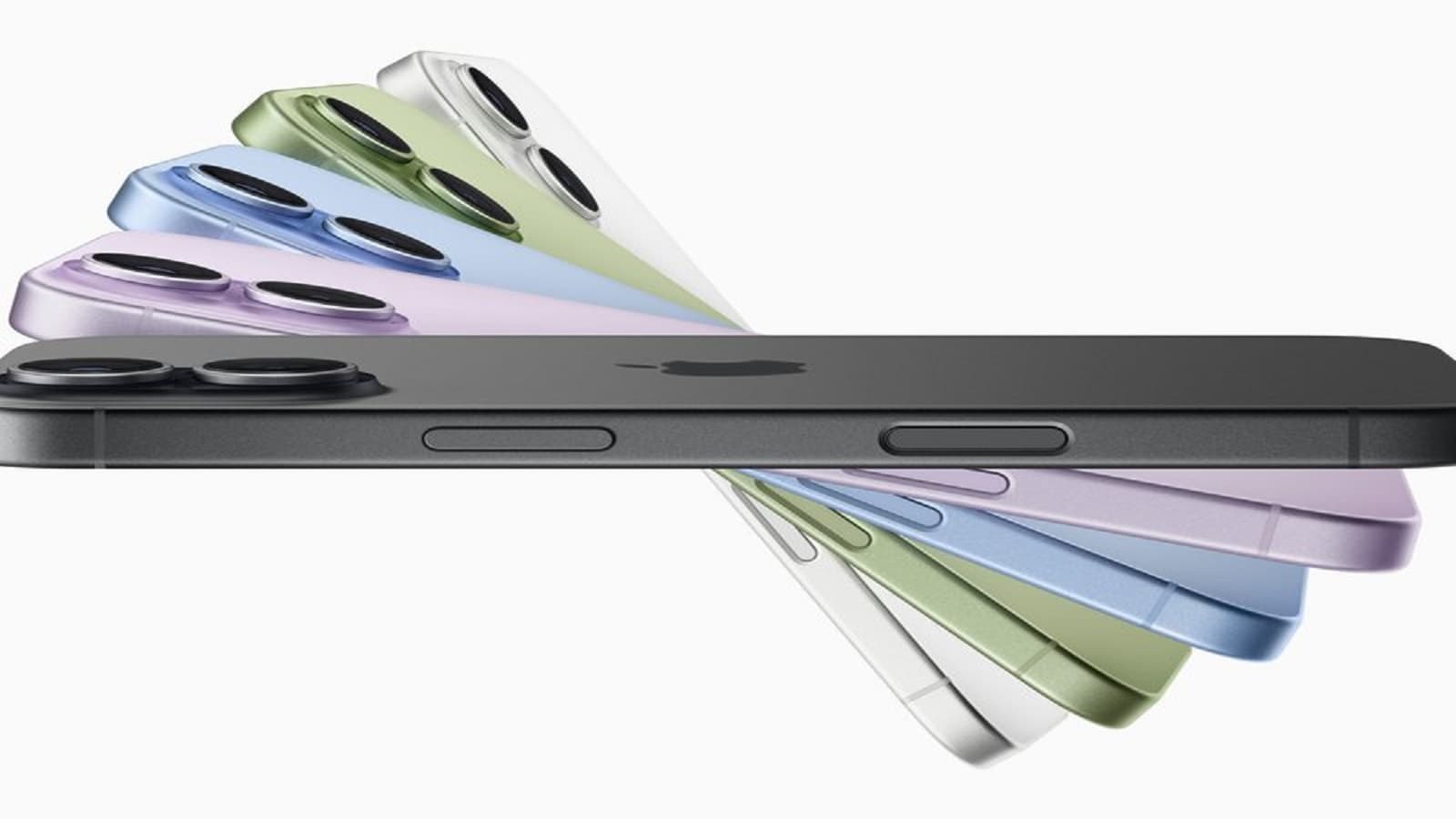
Apple’s iPhone 17 series generated more than $170 billion in global wholesale revenue during its first year of sales, marking the highest launch-year revenue recorded for an iPhone lineup, according to Counterpoint Research’s Global Handset Model Sales Tracker on Wednesday. The revenue was 11 per cent higher than that of the iPhone 16 series during its first year, supported by strong demand across the lineup and a robust replacement cycle.
The base iPhone 17 emerged as a major growth driver, with its revenue increasing 1.3 times compared with its predecessor. The iPhone 17 was also the world’s best-selling smartphone model by unit sales in the first half of 2026, followed by the iPhone 17 Pro and iPhone 17 Pro Max. The more affordable iPhone 17e also recorded strong demand, adding to the overall performance of the lineup. Counterpoint Research Director Tarun Pathak said the iPhone 17 series has emerged as one of Apple’s strongest lineups in recent years.

The base model benefited from features that were previously associated with Pro variants, while the Pro models attracted users with newer Apple silicon, upgraded camera capabilities and design changes. The regional performance was led by China, which emerged as the biggest contributor to revenue growth for the iPhone 17 series. Wholesale revenue in the Chinese market rose 35 per cent compared with the iPhone 16 series, with China accounting for nearly 24 per cent of the lineup’s global revenue.
Strong upgrades to the base variant were a key factor behind the growth. Japan, the Middle East and Africa (MEA), and other Asia-Pacific markets also recorded healthy gains. Strong demand across these markets helped offset relatively moderate growth in mature markets such as North America and Europe. The iPhone 17 series also benefited from a narrowing price gap with Android flagship smartphones.
According to Counterpoint Senior Research Analyst Shilpi Jain, rising memory and component costs pushed several Android manufacturers to increase prices or adjust specifications, while Apple kept iPhone prices relatively stable. Memory prices have increased fourfold since the fourth quarter of 2025, making Apple’s pricing strategy particularly notable, Jain said. Installment schemes and promotional offers in key markets also helped reduce the affordability barrier and supported demand for premium iPhone models.
Disclaimer: "This story has been published from a syndicated news feed. Only the headline and subtitle have been edited by EPN."